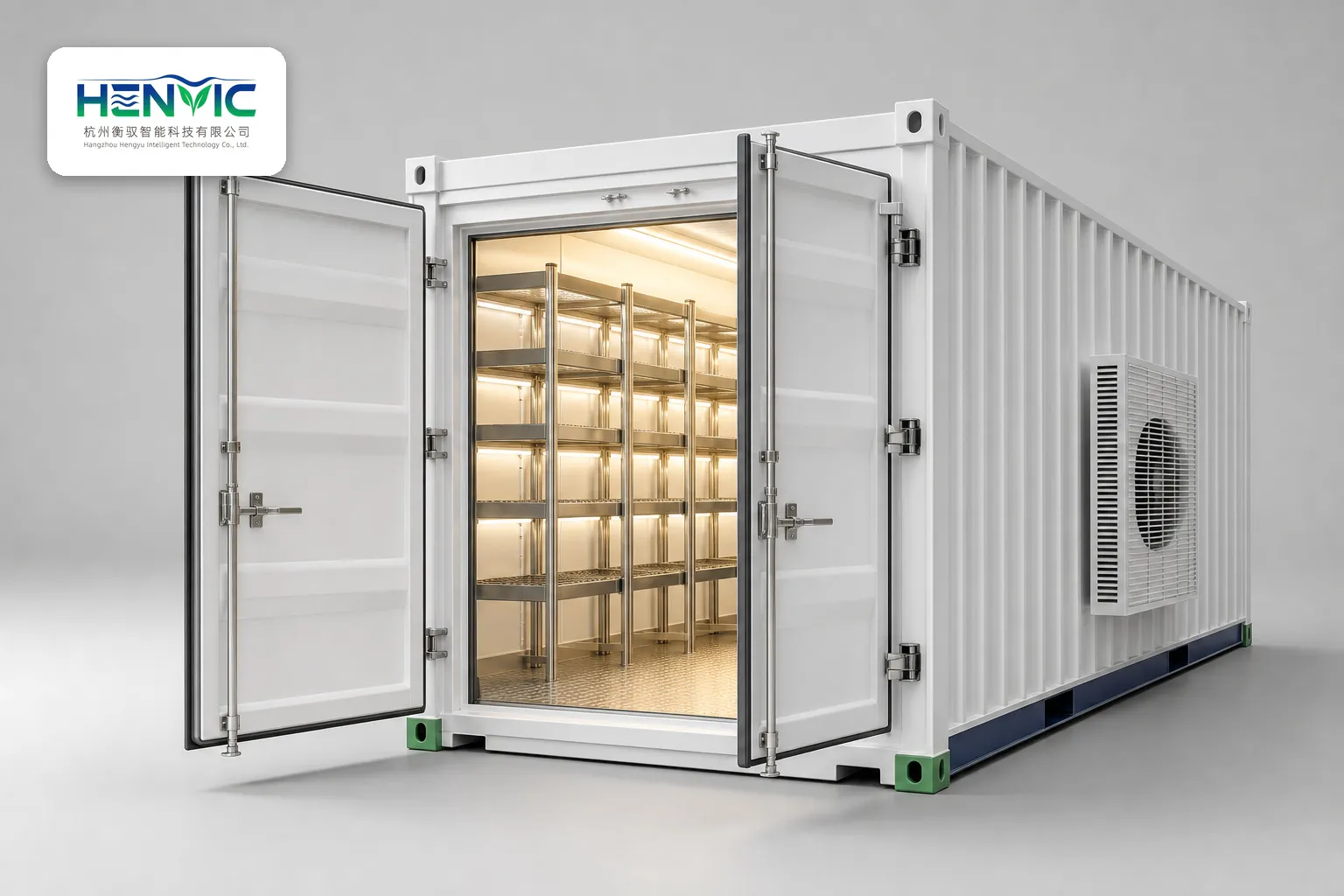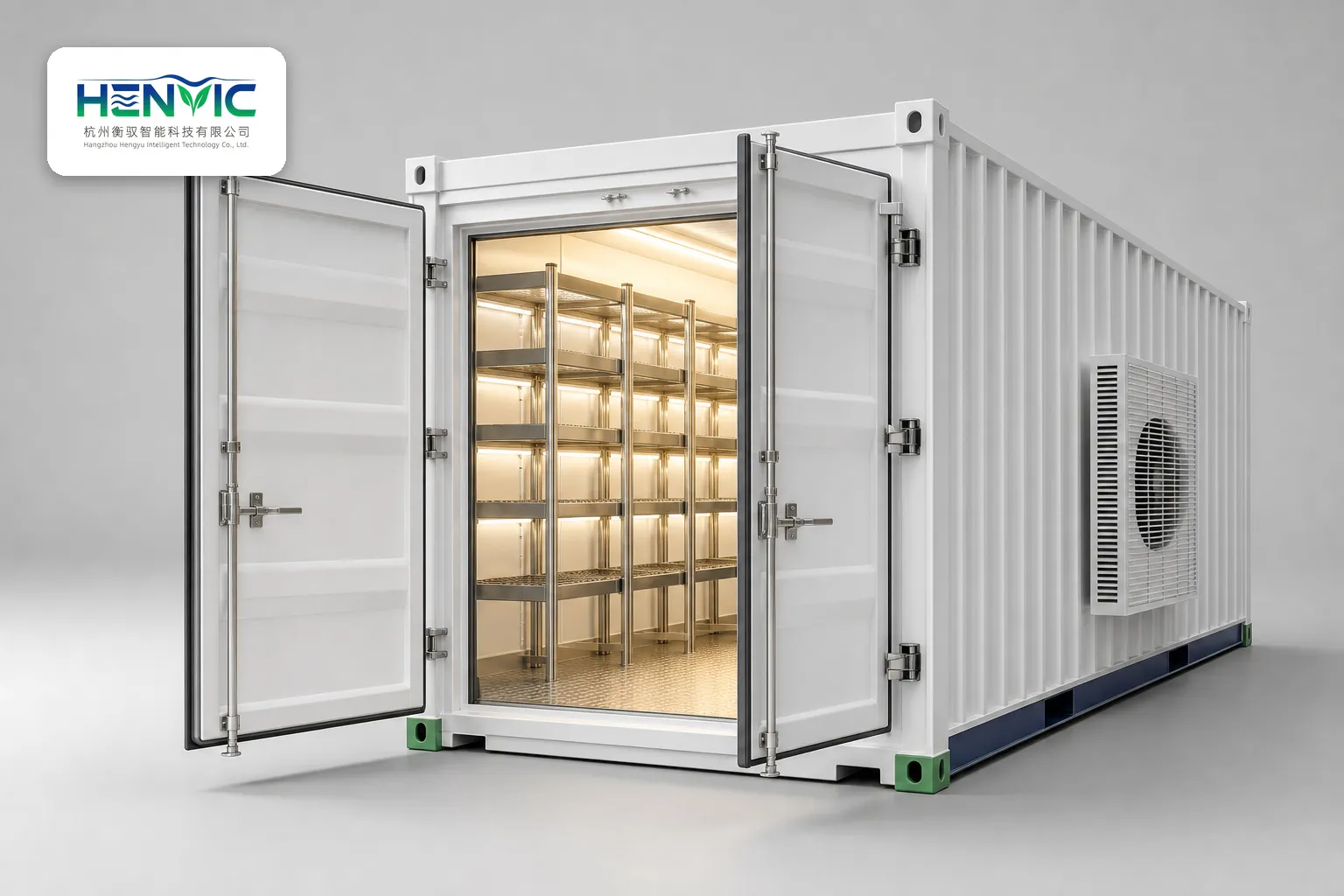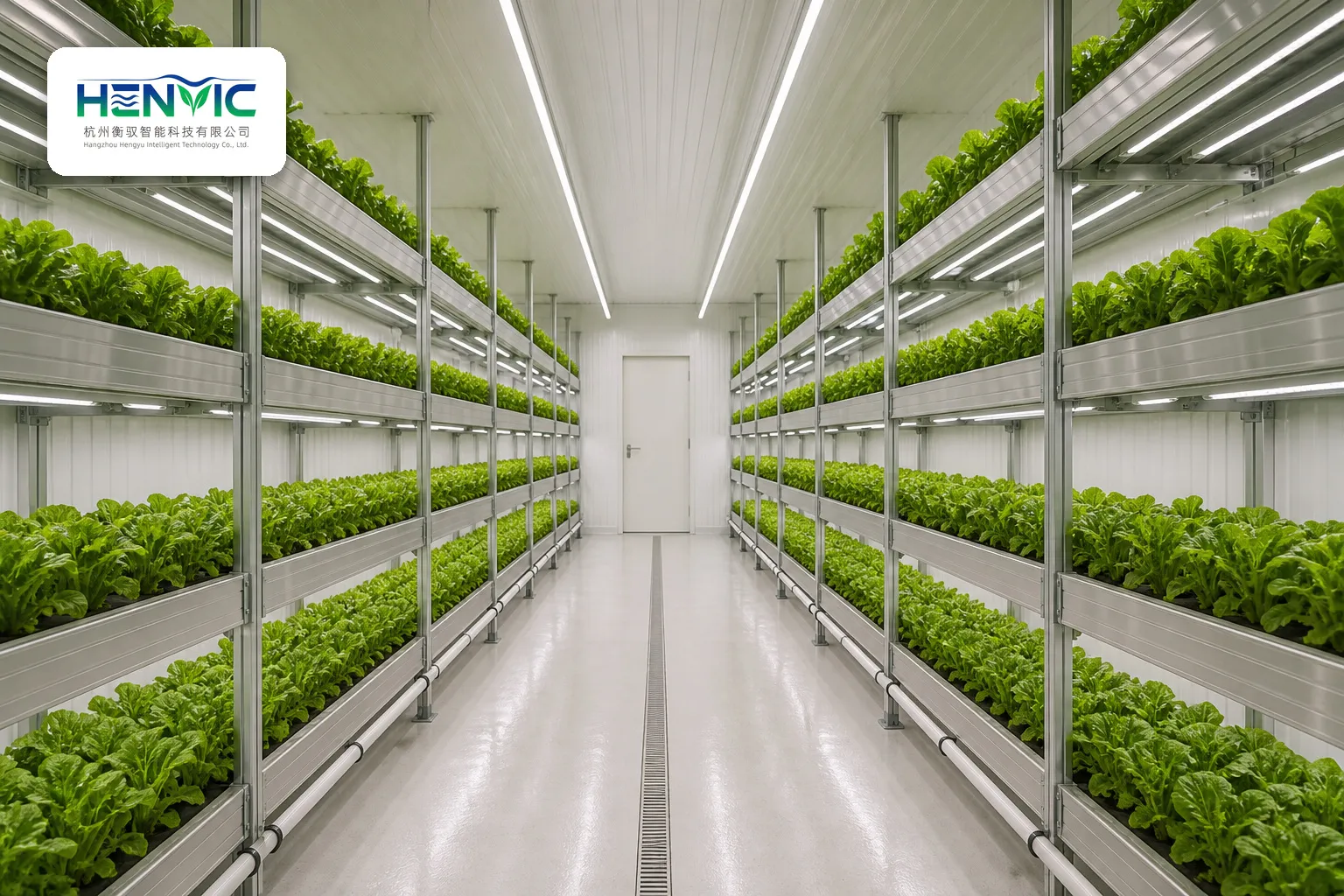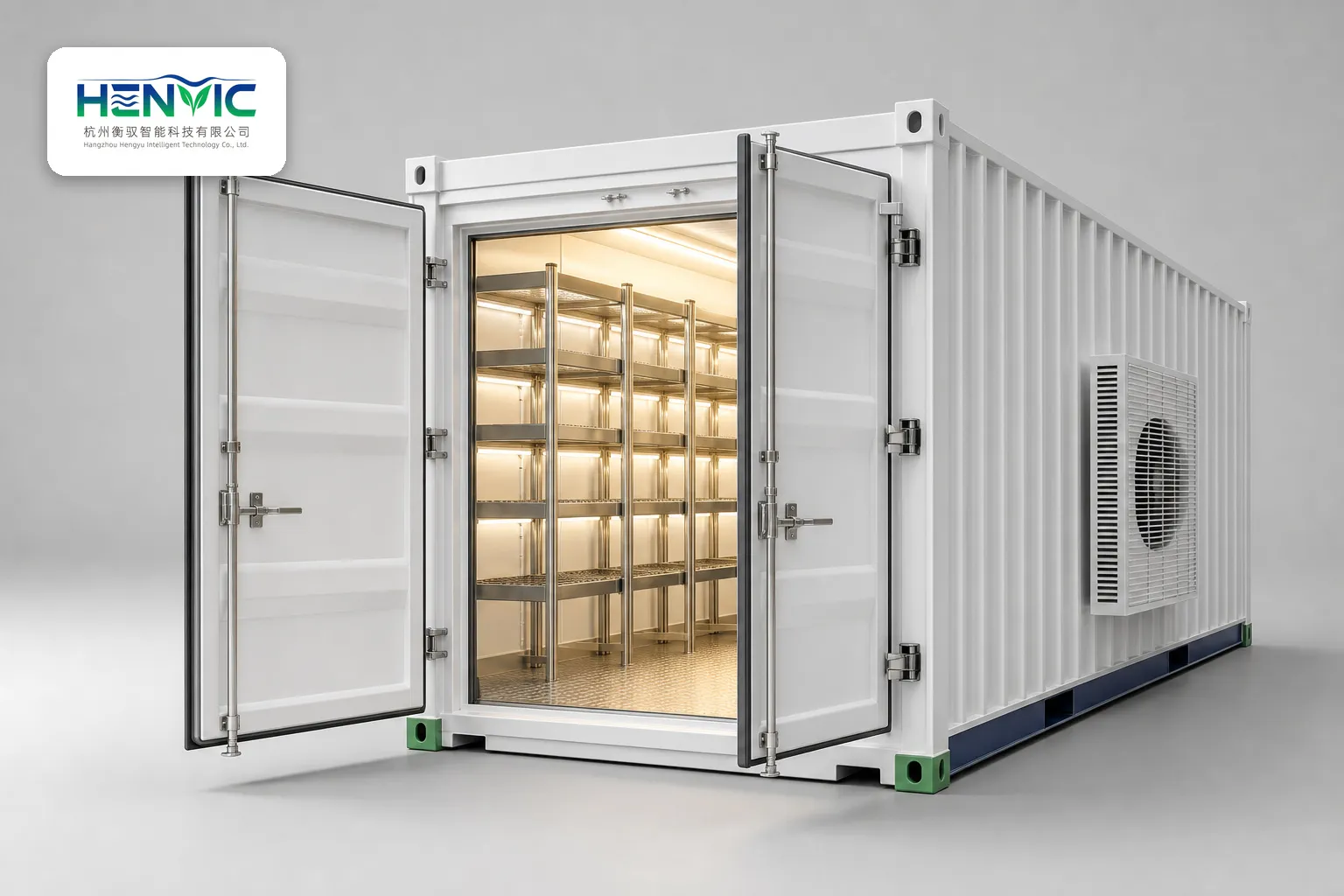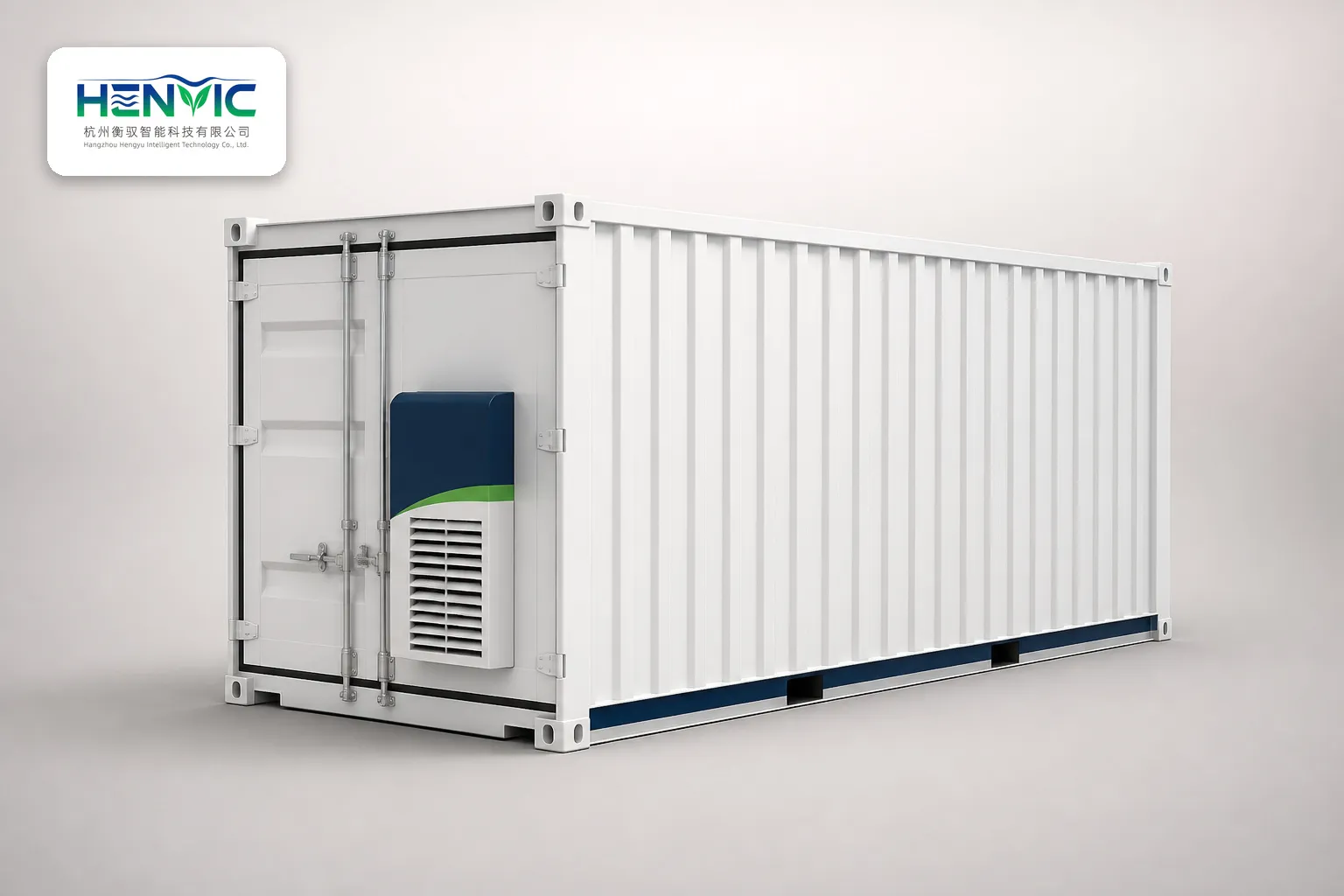
A plant cultivation container — the container farm, grow box, or controlled-environment module built into an ISO shipping shell — is not a crop system but a platform. Its application range is therefore not defined by what it grows, but by a set of boundary conditions it is unusually good at satisfying: proximity to the point of consumption, freedom from climate and season, a sealed and therefore pest-excludable envelope, mobility, and the ability to produce a small volume of high-value biomass on a footprint measured in tens of square metres. Every viable application can be traced back to at least three of those conditions; every failed one usually ignored the fourth condition it actually needed — capital cost per unit of output — or the fifth it thought it could escape: electrical load and heat rejection.
The following maps the application space by sector, then sets out the technical and economic constraints that separate the applications where containers are genuinely competitive from those where they are merely fashionable.
1. The Governing Technical Envelope
Before sector-by-sector review, the parameters that determine whether a container is the right vessel for a given crop.
| Parameter | Typical container reality | Consequence for application choice |
|---|---|---|
| Internal growing area | ≈28 m² floor; 45–65 m² canopy with 4–5 tiers in a 40 ft high-cube | Favours high value per m², not commodity volume |
| Internal width | 2.35 m | Limits rack depth and aisle width; caps labour efficiency |
| Insulated height | ≈2.55 m usable after lining | Caps tier count; excludes tall fruiting crops from full stacking |
| Connected electrical load | ≈10–25 kW for a 40 ft production unit | Requires three-phase or heavy single-phase service |
| Total installed heat rejection | Latent fraction 40–60 % of cooling load at high PPFD | Cooling, not lighting, is often the binding constraint |
| Water volume at full charge | 1–2 t in DWC configurations | Floor and foundation loading must be checked |
| Achievable DLI | 12–17 mol·m⁻²·d⁻¹ for leafy crops at 16–18 h photoperiod | Defines which species can be finished, and which can only be started |
| Capital cost | Materially higher per m² of canopy than a warehouse vertical farm | Demands either premium price or logistical necessity |
The practical reading: a container is a high-cost-per-square-metre production asset whose advantages are logistical, not agronomic. Any application that does not capture a logistical or environmental premium — being where the food is, growing when the field cannot, avoiding a quarantine, proving a protocol — will be beaten on unit economics by a greenhouse or an open field.
2. Protected Leafy Greens and Herbs in Peri-Urban and Urban Markets
The most widespread commercial application, and the one most heavily marketed.
The crop set is narrow and chosen for fast cycle, low stature, and price tolerance: lettuce (Lactuca sativa cultivars across romaine, butterhead, and loose-leaf types), rocket/arugula, baby spinach, watercress, pak choi and other brassica greens, plus culinary herbs — basil, coriander/cilantro, dill, mint, parsley, chives, thyme, oregano. Microgreens and sprouts occupy a distinct sub-niche with a cycle of 7–14 days and the highest price per kilogram of any leafy product, which makes them the crop most naturally suited to a 5 m² container placed at the back of a restaurant.
The genuine technical case rests on three things a field cannot offer:
Continuous customised supply. A 40 ft unit at a 25–35 day lettuce cycle can be scheduled on staggered tiers to deliver a fixed weekly harvest, so a chef, a small grocer, or a supermarket produces department can plan a menu around it. This is not yield maximisation; it is reliability being sold.
Zero-defect, wash-free, ready-to-eat product. Sealed production permits a controlled input list, no field soil contact, no wildlife, and a documented water source. For the retail segment where "washed three times" and "no pesticide residue detected" command a premium, this is the whole product.
Uncontested season. In high-latitude cities and in markets where winter greens are imported at high cost and variable quality, a container competes against airfreight and greenhouse product rather than against local field produce. That is the only comparison in which the economics usually close.
The recurring commercial failure mode is treating the unit as a farm rather than as a supply chain asset: growing a crop with a low unit price, harvesting in bulk, and then competing against a wholesale market list. The container's advantage is proximity; if the business model does not monetise proximity — through freshness premium, reduced waste and logistics cost, direct sale — then the container is simply an expensive greenhouse.
3. Propagation, Nursery, and Transplant Production
A distinct and often more defensible application than finished-crop production, because the output is a young plant whose value per unit volume is high and whose residence time in the container is short.
Vegetable transplant production. Seedlings of tomato, pepper, eggplant, cucumber, melon, cabbage, cauliflower, and leafy brassicas raised in plug trays for field or greenhouse transplanting. The container's contribution is timing: a grower schedules seedling delivery against a field-planting date, and the container removes weather risk from the first four weeks of a crop's life. A single container can supply transplant needs for a substantial outdoor acreage and then be redeployed.
Forestry and restoration stock. Conifer and broadleaf seedlings for reforestation, and native species for mine-site rehabilitation and wetland restoration, where the establishment window is short and wild-collected nursery stock is unreliable or imposes biosecurity risk.
Grafting and rootstock production. The healing and callus-formation phase after grafting demands tightly controlled temperature and humidity — a regime a container delivers more precisely and more hygienically than a shaded greenhouse bench.
Young-plant hardening-off. The final transition from high-humidity propagation conditions to ambient conditions is a common source of transplant shock. A dedicated container section with independently controllable VPD allows a staged hardening protocol that field nurseries cannot execute outside a narrow seasonal window.
Clean-stock and certified-planting-material programmes. Nurseries supplying certified pathogen-free planting material — virus-indexed berry stock, potato seed-tuber production from tissue culture, grapevine and fruit-tree certified material — operate under a quarantine logic that a sealed, positive-pressure, insect-screened container satisfies intrinsically. This is one of the strongest technical fits in the entire application space, because the container's enclosure is not an amenity but the compliance mechanism.
Tissue-culture acclimatisation. Ex-vitro rooting and hardening of micropropagated plantlets, a stage notorious for loss rates in conventional facilities because the plants must shift from a near-saturated in-vitro atmosphere to ambient humidity.
4. High-Value Fruiting and Specialty Crops
Where the crop has a very high price per kilogram, a long production cycle, or a compelling quality story, the container's cost structure can be absorbed.
Strawberries. The most commercially established high-value fruiting crop in container systems. Elevated gutter or tiered production gives clean fruit, controlled irrigation, no soil-borne Phytophthora and Verticillium pressure, and the ability to tune EC and VPD for firmness and Brix. The perennial version is a shorter cycle, however; the container's constraint is that strawberry canopy height and light demand push against tier stacking.
Saffron (Crocus sativus). An unusual but technically coherent fit: the flower and stigma are harvested at very low volume, the product price is extraordinarily high, and the crop can be grown in stacked trays under controlled temperature with a dormancy cycle managed artificially. The container converts a labour-intensive field tradition into a high-density, year-round indoor operation, and the value per kilogram justifies the electrical bill in a way no lettuce crop can.
Mushrooms and fungal crops. Oyster, shiitake, lion's mane, and other specialty species need dark, high-humidity, precisely temperature-staged environments with strong contamination control. A container is nearly ideal; the requirements — 85–95 % RH, per-stage temperature and CO₂ control, clean-room discipline — map directly onto container-scale-controlled environment capability, and the high market price of specialty mushrooms absorbs the capital cost.
Medicinal and aromatic plants. Where a market permits cultivation, cannabis and hemp are the best-known container crops, but the application is much broader: Panax ginseng, Dendrobium and other medicinal orchids, Salvia miltiorrhiza, Glycyrrhiza, Catharanthus and similar alkaloid-producing species, and essential-oil crops such as lavender and peppermint grown for standardised extract content. The rationale is always the same — secondary metabolite profile is heavily environment-dependent, and a container allows the alkaloid, terpene, or flavonoid fraction to be driven to specification rather than left to weather. This is a pharmacognosy application wearing a horticultural hat, and it should be evaluated on the basis of analytical consistency, not yield.
Edible flowers. Nasturtium, viola, pansy, borage, and marigold petals for high-end culinary use; short cycles, small volumes, premium prices, and a strong premium for clean, undamaged, pesticide-free bloom.
Baby vegetables and specialty seedlings. Micro-carrots, baby beets, miniature leeks, and the "mini-vegetable" category used in fine dining, where uniformity matters more than total mass.
5. Research Platforms: Phenotyping, Speed Breeding, Stress Biology
A large share of containers in operation are not production units at all but experimental instruments, and this segment does not need to justify itself commercially.
Phenotyping. Gravimetric water-use analysis, image-based growth-rate quantification, hyperspectral and thermal imaging for stress signatures, and root-zone monitoring in a transparent rhizotron configuration. The container's contribution is that environmental variables are controlled inputs rather than covariates, which is the difference between a correlational and a causal experiment.
Speed breeding and generation advancement. Manipulating photoperiod and temperature to compress generation time — the technique associated with accelerated breeding of wheat, chickpea, and other crops — requires precise long-photoperiod control and a contained environment to isolate genetic material. A container satisfies both, and is far cheaper than a purpose-built growth chamber at equivalent canopy area.
Stress and abiotic-biology work. Salinity, drought, heat, elevated CO₂, and nutrient-deficiency experiments require repeatable imposition of a stressor, which is achievable only in an enclosure. This extends to air-quality and particulate studies where a sealed box with filtered inlet air is the experimental design.
Plant–pathogen and plant–microbiome studies. Containment of a pathogen, or exclusion of ambient inoculum, is a hard requirement in biosecurity-sensitive work on quarantine pests, and container-scale containment is far cheaper than a BSL facility at the same plant capacity.
Space and extreme-environment life support research. The container has become a standard analog module for Bioregenerative Life Support System (BLSS) studies, closed-loop air, water, and nutrient recycling investigations, and crop-production trials simulating lunar or Martian mission conditions. Here the enclosure is not merely convenient — it is the experiment. The same applies to polar, high-altitude, and submarine/offshore applications where the container is the life-support envelope.
6. Off-Grid, Remote, and Emergency Food Production
This is the application class where the container's logistical advantages are decisive rather than marginal, and where cost-per-kilogram comparisons against field agriculture are simply the wrong metric.
Remote communities and islands. Where fresh produce arrives by air or by a monthly supply vessel, the alternative to a container farm is not cheap local produce but costly imported produce with a spoilage loss rate measured in tens of per cent and a nutritional profile degraded by transit time.
Research stations, mining and construction camps, offshore platforms. Any location with a substantial resident population, no arable land, and expensive resupply. The value proposition is fresh-crop availability and morale, not commodity economics.
Military and expeditionary use. Field-feeding applications where palatability, vitamin content, and independence from a supply convoy have direct operational value.
Disaster response and humanitarian settings. Rapidly deployable fresh-food production where supply chains have failed. The practical limitations are real — the electrical demand and clean-water requirement can be no easier to supply than the food — but in settings with reliable power and a functioning water source, a container can restore dietary diversity far faster than rebuilding agricultural land.
Water-scarce agriculture. Recirculating hydroponics reduces water consumption by a large factor relative to field irrigation, because transpiration is captured by the dehumidification system and returned. In arid and semi-arid regions with saline groundwater or limited allocation, this is a genuine resource argument independent of the economic one, provided the crop value supports the energy input.
Cold-climate and short-season regions. High-latitude markets where the local outdoor season is three to five months and winter produce is imported year after year.
7. Aquaponics and Integrated Production
A container integrates unusually cleanly with recirculating aquaculture, because the two systems share the same design problem — closing a water loop in a small volume with active biological filtration.
In a coupled configuration, fish-rearing tanks occupy the lower or mechanical volume, and the nutrient-enriched water is circulated through hydroponic beds for nitrate uptake before returning. The container's sealed envelope is an advantage for temperature stability and evaporation control, and a disadvantage for the very large water mass and the oxygen demand it imposes.
The realistic crop set is tilapia, catfish, and other warm-water species tolerant of high density, paired with leafy greens and herbs. The practical difficulties are biological rather than structural: buffering the very different pH optima of nitrifying bacteria (typically around 7–8) and hydroponic nutrient uptake (usually 5.8–6.2), managing solids, and maintaining dissolved-oxygen levels under a shared thermal budget. Decoupled and single-loop-with-solids-removal designs are the two common architectures, and the container's narrow volume makes good solids separation harder than it is in a warehouse installation.
8. Non-Food Plant Production
Molecular farming / plant-made pharmaceuticals. Transient or stable expression of recombinant proteins, antibodies, and vaccine antigens in Nicotiana benthamiana, Nicotiana tabacum, lettuce, and rice, where the container provides the containment required for genetically modified material and the environmental control required for reproducible expression levels. This is one of the highest-value and most technically demanding applications, and it depends on the container's containment property rather than its production capacity.
Plant-derived industrial and cosmetic ingredients. Consistent-cultivar production for standardised extracts, cell-culture-derived plant secondary metabolites, and the emerging area of plant-cell suspension culture where a container hosts the bioreactor and supporting utilities rather than a crop.
Fodder and sprouted grain. Hydroponic barley and wheat fodder, and sprouted grains, for livestock operations with limited land or unreliable pasture. The economics are marginal for commodity feed but become defensible in drought, in island and remote locations, and on intensive dairy operations where fresh green feed has measurable milk-yield effects.
Ornamental and floriculture. Cut-flower and potted-plant production for very high-value varieties — orchids, lisianthus, peonies out of season — and for the propagation stages of varieties where uniformity matters more than volume.
Seed potato and vegetatively propagated clean stock. Already noted under propagation, but worth isolating because the containment property is the product: the ability to multiply planting material away from aphid vectors that transmit virus is a direct economic value in the certified-seed trade.
Algae and cyanobacteria. Microalgal cultivation for nutraceuticals, pigments, aquaculture feed, and research, using the container's lighting and thermal infrastructure with photobioreactors or raceway tanks substituted for racks.
Insects and biological control agents. Mass rearing of predatory mites, parasitoid wasps, and pollinator species under climate control, and the emerging insect-protein sector, where the container's sealed envelope is a containment feature for non-native species.
9. Retail, Hospitality, and Experiential Applications
A category that is often dismissed as a marketing gimmick and is in fact economically coherent in specific settings.
In-store and in-restaurant production. A small container or container-derived module at the point of sale produces the freshest possible product, removes the supply-chain link entirely for the highest-turnover items, and functions as a visible sustainability claim. The economics work because the product is sold at retail rather than wholesale, and because the capital cost can be charged to marketing as well as to production.
Farm-to-table supply contracts. Direct supply to restaurants with a fixed weekly standing order of specific cultivars and cut sizes — a service that wholesale channels cannot provide at all, and for which the container's scheduling capability is the enabling technology.
Agritourism, education, and demonstration. School programmes, university teaching facilities, exhibition installations, and visitor-centre attractions, where the container functions as an accessible, self-contained exhibit.
Agricultural extension and technology demonstration. Seed companies, substrate and nutrient suppliers, and lighting manufacturers use container units to run variety and product trials under controlled conditions and to demonstrate performance to growers.
10. Where the Container Is the Wrong Tool
An application range is only useful if its boundary is stated as clearly as its interior. The following are recurring instances where the container format is technically capable but economically or practically inappropriate.
Commodity staple crops. Wheat, rice, maize, soybean, and potato production for calorie supply. The container's cost per kilogram of carbohydrate is orders of magnitude above field production, and no premium exists to close the gap. Containers can contribute to staple-crop seed systems and to research, but not to commodity food volume.
Crops that need vertical space or long residence time. Maize, sorghum, indeterminate tomatoes on tall trellis, banana, papaya, and tree crops. The internal height of a high-cube container physically excludes them from the stacked layouts that make container production work.
Crops with low value density and high mass. Root vegetables, brassica heads, melons, and bulk leafy volume sold at commodity prices. The container's advantage cannot be captured in the price.
Any application without a credible premium or logistical necessity. This is the single most common failure. If the plan is to grow a crop that is already available locally at a low price, and to sell it into a wholesale market, the container is a capital-intensive way to produce a loss.
Applications exceeding the electrical envelope. Any crop requiring PPFD much above roughly 700 μmol·m⁻²·s⁻¹, or any process needing simultaneous high light and tight temperature control, tends to exhaust the available service and heat-rejection capacity of a single container shell. Multi-container installations need a site-level power and cooling strategy before they need a growing strategy.
Sites without power, water, or maintenance access. Container farms require continuous, reliable electricity, clean water, and someone who can attend within hours when a pump or compressor fails. Deployments in settings lacking all three are commonly announced and rarely sustained.
11. Matching Application to Technical Configuration
The most frequent mismatches occur not in the choice of crop but in the choice of system architecture for that crop. A summary mapping:
| Application | Root-zone system | Light strategy | Dominant design constraint |
|---|---|---|---|
| Leafy greens, herbs | NFT or DWC, multi-tier | 200–300 μmol·m⁻²·s⁻¹, 16–18 h | Cooling and dehumidification load |
| Microgreens | Shallow trays on benches | Moderate PPFD, short cycle | Sanitation, rapid turnover |
| Transplant propagation | Ebb-and-flow, plug trays | Lower PPFD, higher RH | RH and uniformity control |
| Clean-stock nursery | Substrate in trays, containment | Moderate PPFD | Insect exclusion, one-way flow |
| Strawberries | Coco slabs, elevated gutters | 400–600 μmol·m⁻²·s⁻¹ | Height, canopy management, VPD |
| Mushrooms | Bulk substrate, staged rooms | None | Dark, RH >85 %, contamination control |
| Medicinal plants | Coco or substrate | High PPFD, spectrum-tuned | Secondary-metabolite consistency |
| Molecular farming | Substrate or hydroponic, contained | Moderate–high PPFD | Containment and audit trail |
| Fodder | Shallow hydroponic trays, short cycle | Moderate PPFD | Throughput per unit area, cost per kg |
| Research / phenotyping | Configurable | Fully programmable | Instrumentation, data integrity |
12. Technical and Commercial Trajectories
Four directions are visibly reshaping the application range.
Cheaper photon delivery. Falling LED cost and rising efficacy continue to move the electrical budget from a veto to a design variable. As fixture efficacy improves, the practical DLI ceiling for a given service rises, which steadily widens the crop set that a container can finish rather than merely start. Vendor efficacy claims should be treated as a range rather than a ranking; measured performance at the growing plane is the only comparable number.
Better climate control per unit of footprint. Integrated air handlers with larger coils, higher static pressure, and combined sensible/latent capacity are addressing the sector's most persistent technical failure: cooling systems that were sized on sensible load alone and therefore never dehumidify properly.
Automation of the repetitive labour. Seeding, transplanting, harvesting, and tray handling account for a large share of operating cost, and the container's narrow geometry is genuinely harder to automate than an open warehouse floor. Where robotics succeeds, it tends to look like tray-based handling and vision-based harvesting rather than general-purpose manipulation, which in turn pushes crop selection toward uniform, single-head, compact varieties.
Containment as a service, not a shell. The most defensible container applications increasingly are not food production at all but compliance and containment — certified planting material, contained research, molecular farming, insect rearing, quarantine-safe horticulture. In these segments the customer is buying regulatory capability and experimental control, both of which are inherently less price-competitive than commodity produce and far more tolerant of the container's capital cost.
Closing Assessment
The application range of a plant cultivation container is bounded by a simple trade: it buys independence from location, season, weather, and pest pressure, and pays for that independence in capital cost per square metre and in electrical energy per unit of biomass. Applications that capture a high value per unit area, that monetise timing rather than volume, that require containment, or that operate where the alternative is importing and losing produce, sit comfortably inside the boundary. Applications built on commodity crop economics sit outside it, and no amount of crop selection, spectrum tuning, or control sophistication changes the arithmetic. The technology's genuine frontier is not "what can we grow in a box" — almost anything short of a tree — but "which crop, in which location, against which alternative supply chain, at what price," and that is a question answered by the market long before it is answered by the horticulture.