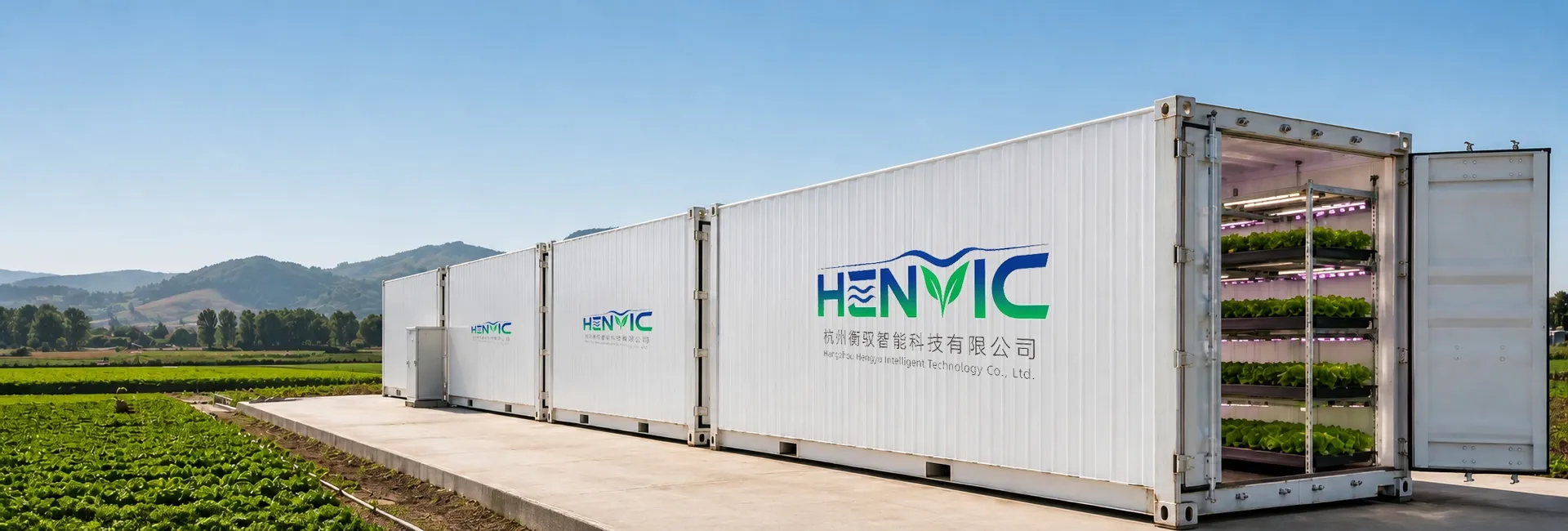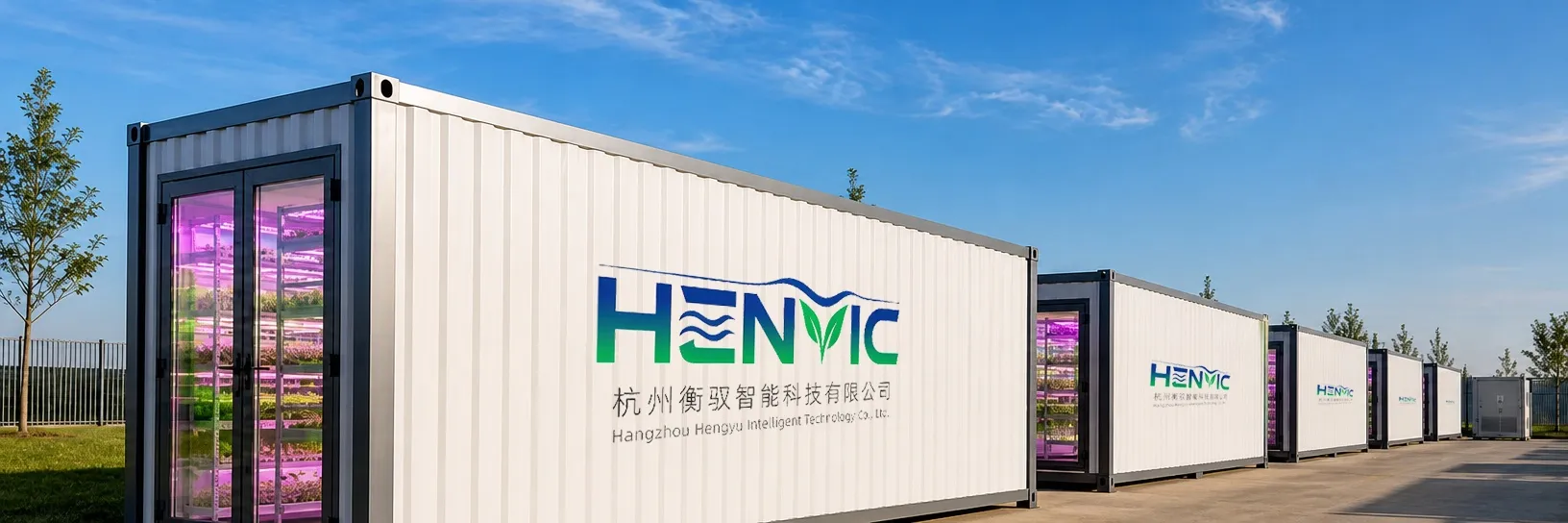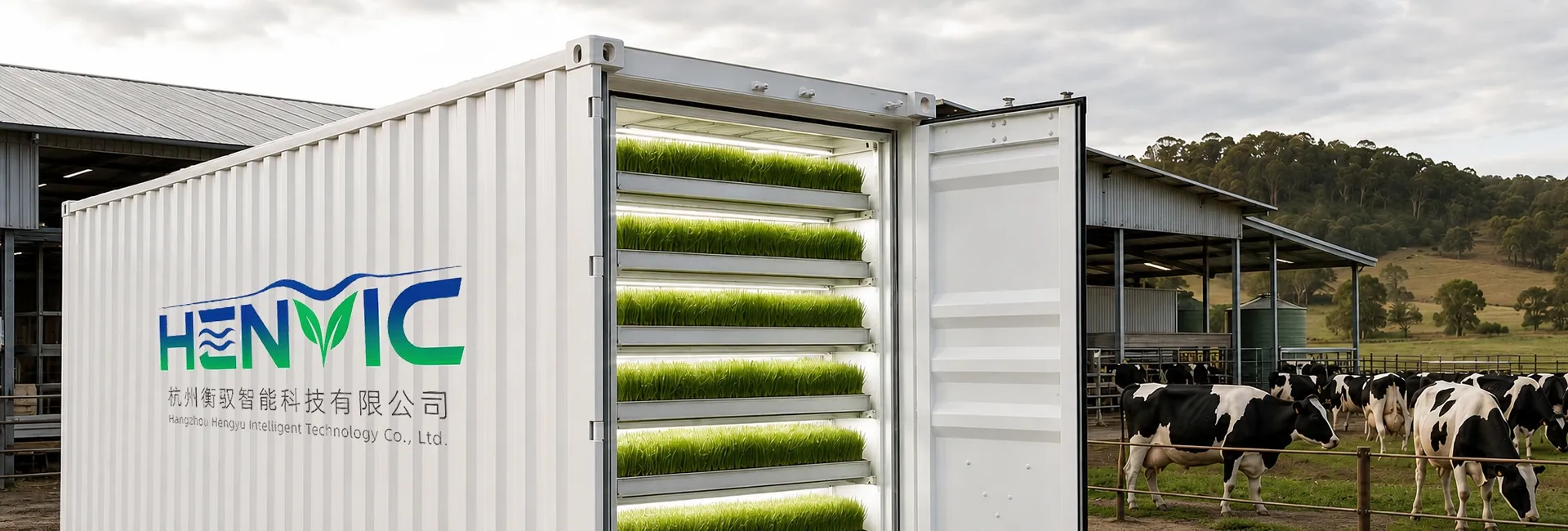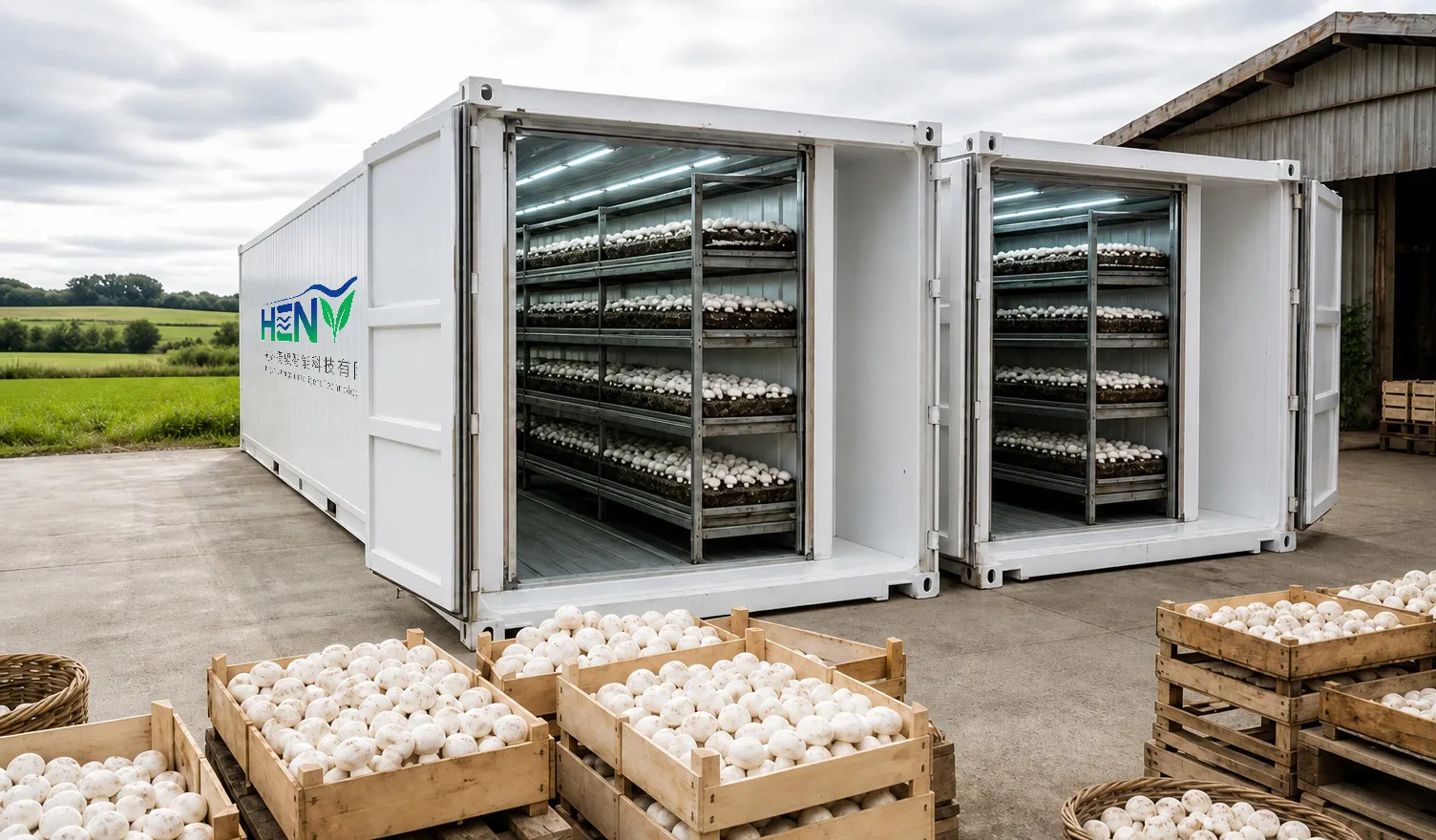
A century ago, botanists could only study how plants responded to climate by watching them outdoors. Today, the same question can be answered inside a sealed steel box whose light, temperature, humidity, and carbon dioxide are tuned to one part in a thousand. The plant cultivation chamber—an enclosure giving growers precise control over every environmental variable—has quietly become one of the most consequential instruments in modern biology and agriculture. Its history traces the arc of engineering itself: from steam-heated glasshouses to solid-state LEDs, from hand-set dials to algorithms that learn a crop's optimum. This article reviews the main stages of that development and where the technology stands today.
1. Defining the Chamber
A plant cultivation chamber—also called a growth chamber or plant factory unit—is an insulated enclosure equipped with heating, cooling, lighting, humidification, ventilation, and irrigation systems that together maintain a predetermined climate. Where a greenhouse merely buffers against the outside world, a chamber replaces it, creating a reproducible microclimate in which a single variable can be isolated and studied. The same principle powers commercial vertical farms, space-grown crops, and rapid-breeding platforms that shorten the decades-long cycle of crop improvement.
2. The Phytotron Era (1920s–1960s): Learning to Control Nature
The intellectual foundation was laid in 1920, when W. W. Garner and H. A. Allard of the U.S. Department of Agriculture published their discovery of photoperiodism—the way flowering responds to day length. Their work proved that light duration, not just temperature or water, governs key life events, and it immediately suggested that researchers would need devices capable of holding both factors constant.
The term "phytotron" entered use in the 1930s, and the first large-scale instrument arrived in 1949, when the Earhart Plant Research Laboratory at the California Institute of Technology opened its California Phytotron—a sprawling complex of connected greenhouses and growth rooms that, for the first time, let scientists conduct experiments at controlled temperatures, light intensities, and day lengths. A parallel Canadian installation at Clemson and the landmark Climatron of the Missouri Botanical Garden, opened in 1960 as the world's first geodesic-dome phytotron, confirmed that the instrument was not a laboratory curiosity but permanent research infrastructure. Throughout the 1950s and 1960s, such chambers ran day and night in the service of photoperiod studies, temperature-response curves, and the breeding of high-altitude and cold-climate crops.
3. The Industrial Era (1970s–1990s): From Research Bench to Production Floor
By the 1970s, chamber engineering had matured into commercial products. Companies such as Percival Scientific and Controlled Environments (later Conviron) in North America, alongside Japanese electronics giants Toshiba, Panasonic, and Sanyo, built standardized growth chambers for universities, seed companies, and government laboratories. Refrigeration, heating, and fluorescent-lighting systems became reliable, and digital controllers began replacing electromechanical switches, allowing setpoints to be held steady through the night.
The decisive shift came when the same technology was scaled up from experiment to production. In Japan, the 1980s saw the arrival of the first commercial plant factories—facilities in which crops grew under completely artificial light with minimal human intervention. A vegetable factory opened in Kariya City in 1989, using computer-controlled light, temperature, and hydroponics to grow lettuce year-round. The model was capital-intensive but revolutionary: harvests became independent of season, weather, and soil, and product quality could be standardized to a level conventional farming could not match. Outside Japan, the 1990s and 2000s brought a steady stream of plant factories in China, Korea, and the Netherlands, while chambers also became the backbone of micropropagation, multiplying elite plants by the millions in sterile, climate-controlled vessels.
4. The LED Revolution (2000s–2010s): Light Becomes a Programmable Input
For most of the chamber's history, lighting was its weakest link. Fluorescent lamps, and later high-pressure sodium lamps, consumed enormous electricity, radiated heat that had to be removed, and offered little control over spectrum. The arrival of efficient, low-cost white LEDs around 2010 changed the equation.
LEDs are small, solid-state, and electrically efficient; they run cool, last for years, and—critically—can be combined in any ratio of red, blue, green, and far-red wavelengths. Researchers, drawing on decades of photobiology, turned this into a new craft: light recipes. Blue light promotes compact growth and nutritional content, red light maximizes biomass, green light penetrates deeper into the canopy, and far-red light manipulates stem elongation and flowering. Cultivars could now be optimized not only for yield but for taste, color, and vitamin content—parameters growers had never before been able to dial in. LED efficiency also sharply reduced the energy penalty of indoor farming, making chambers viable in cities and cold climates where outdoor production had been impossible.
5. The Intelligent Era (2010s–Present): From Controllers to Cyber-Physical Systems
The most recent phase is defined not by a single component but by the fusion of sensing, computing, and control. A modern cultivation chamber is a cyber-physical system: networks of temperature, humidity, CO2, light, and nutrient sensors stream data to cloud platforms; cameras and computer-vision algorithms inspect leaf area, color, and posture to detect stress; and machine-learning models trained on past crops predict growth curves, yield, and energy demand. These models close the loop, commanding lighting schedules, irrigation bouts, and climate setpoints that adapt to the crop's stage rather than to a fixed program.
Digital twins—virtual replicas of a chamber and its crop—let growers test strategies before committing resources, and remote monitoring lets one operator manage multiple units across sites. China's rapid scale-up of vertical farms and container-based plant factories in the 2020s has pushed automation from the laboratory into everyday production, while hybrid designs increasingly pair chambers with rooftop solar and wind power to hedge the energy bill. In research, such systems accelerate experiments that once took seasons; in production, they raise yield per square meter and cut the skilled labor traditionally required.
6. Frontier Applications: Space, Medicine, and the Built Environment
The chamber's development is being pulled forward by demands it was never designed for. In space, NASA's Veggie plant growth system flew to the International Space Station in 2014, and Chinese modules on the Tiangong space station are running plant experiments in orbit—work aimed at eventually closing the carbon, water, and oxygen cycles that long-duration missions will require. In medicine, chambers host medicinal plants such as Taxus and Artemisia annua for the production of anticancer and antimalarial compounds, and plant molecular farms use engineered plants as living reactors for vaccines and therapeutic proteins. In cities, container-based and building-integrated plant factories supply lettuce, herbs, and strawberries to restaurants and supermarkets in markets such as Singapore, Tokyo, and the Gulf states.
7. Challenges and the Next Decade
The technology's main challenge remains energy: lighting and climate control account for the largest share of operating cost, and the sector's economics improve only as efficiency rises. The next decade will likely see deeper integration with renewable power, further refinement of light recipes and indoor-adapted crop varieties, and the spread of standardized, modular chamber platforms that lower the barrier to deployment. As AI models of plant–environment interaction improve and modular hardware becomes cheaper, the cultivation chamber is poised to move from a specialized instrument to shared infrastructure—underpinning food security, space habitation, and biomanufacturing in ways its early builders could only have imagined.