1. Introduction
Leafy vegetables — lettuce, spinach, pak choi, kale, and herbs such as basil and parsley — are the ideal first crops for controlled-environment agriculture (CEA). Their short cycle of 25 to 35 days, high value per unit area, and tolerance of intensive vertical stacking make them economically viable for indoor production. Among CEA platforms, the container farm has emerged as a distinctive solution: a standard shipping container, modified and fully equipped, becomes a self-contained plant factory that can be transported almost anywhere. This article reviews the principles, systems, and applications of container-based cultivation technology for leafy vegetables.
2. What Is a Container Farm
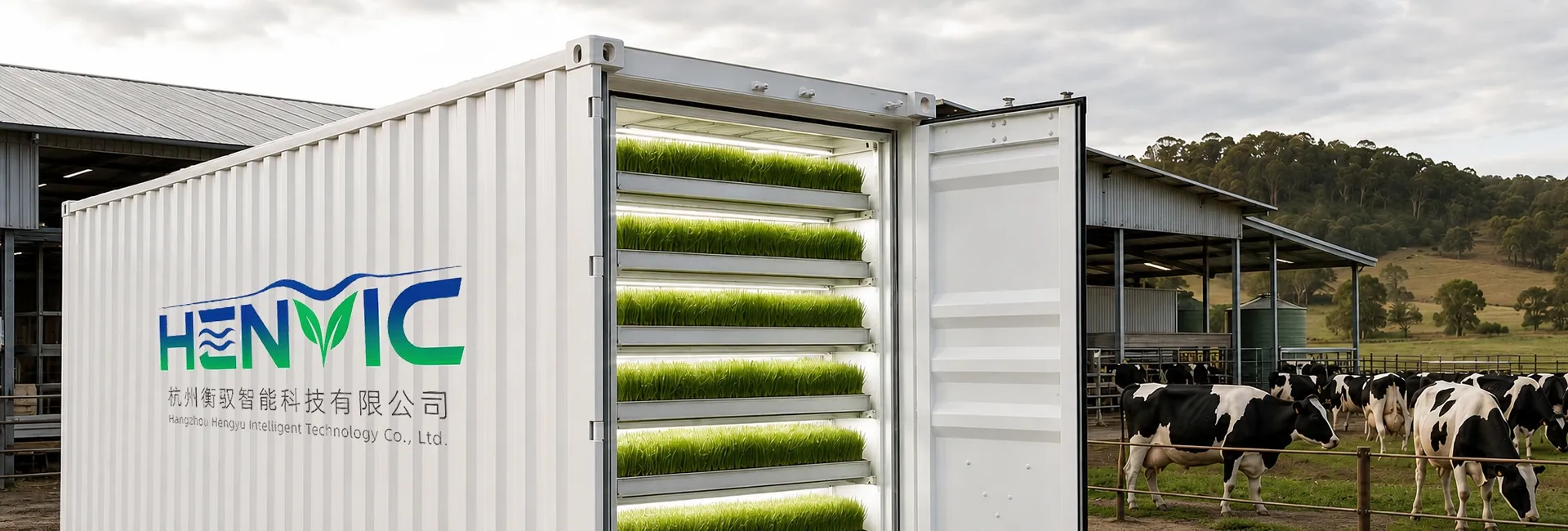
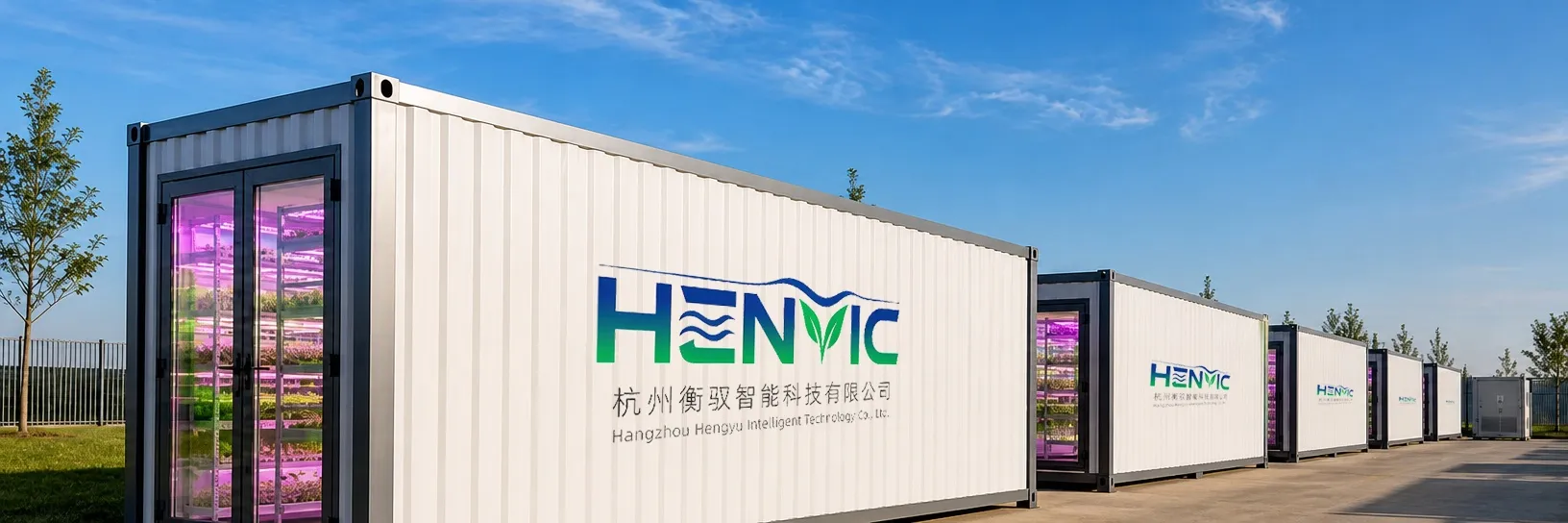
A container farm is a standard steel shipping container — typically 20 ft (6.06 m) or 40 ft (12.2 m) — that is converted into an enclosed growing facility. Its inner dimensions are roughly 2.4 × 2.4 × 6 m for a 20-ft unit and about 2.4 × 2.9 × 12 m for a 40-ft unit, yielding a usable cultivation floor of roughly 15–20 m² and 28–40 m² respectively, depending on rack layout. The insulated steel shell, rated for stacking and lifting, provides structural strength, thermal insulation, and the sealed environment required for precise climate control. A single container can produce leafy greens year-round, independent of weather, season, climate, or soil conditions.
3. Core Technology: Climate Control
The defining capability of a container farm is its environmental control system, which maintains temperature, humidity, carbon dioxide concentration, and air circulation within tight set bands. A typical 40-ft unit consumes on the order of 80–150 kWh per day, dominated by LED lighting, air conditioning, and the nutrient chiller; the refrigeration compressor of the cooling system is one of the largest energy consumers. Compared with conventional greenhouses, container farms decouple production from outside weather, but the cost is significant electricity demand and heat rejection — some container farms recirculate heat to other parts of the building, since the heat generated by the cooling system can otherwise be wasted.
Temperature is controlled by air conditioning combined with fans for horizontal and vertical air circulation, and by chilling the nutrient solution to stabilize root-zone temperature. Humidity management relies on dehumidification (refrigeration-based or desiccant), condensate capture, and controlled ventilation. Carbon dioxide enrichment, often supplied from compressed gas or a generator, raises CO₂ to several hundred to about 1,000 ppm to accelerate photosynthesis in the sealed space.
4. Lighting Technology
Light is delivered entirely by LED arrays, replacing sunlight with an adjustable spectrum and photoperiod. Full-spectrum white LEDs, or combinations of red (approximately 660 nm) and blue (approximately 450 nm) diodes, provide a photosynthetic photon flux density (PPFD) of 150–300 µmol·m⁻²·s⁻¹ at the leaf level, with a daily light integral of 12–20 mol·m⁻²·day⁻¹. The photoperiod is typically 16–18 hours of light per 24-hour cycle, tuned to maximize growth rate and biomass accumulation while limiting electricity demand. Because LED intensity can be precisely modulated, cultivars can be managed through different lighting recipes throughout their growth stages, and leafy greens reach harvest in 25–35 days with stable quality and yield.
5. Hydroponic Systems
Root-zone management in container farms is soilless, using hydroponics rather than soil. Three main systems are used:
- Nutrient Film Technique (NFT): a shallow film of nutrient solution flows over a flat channel holding seedlings on a porous net pot or growing mat, contacting the roots directly. NFT is the dominant system in container-based vertical farming for leafy greens. Research published in MDPI Agronomy (2024) on NFT systems and automation in container-based vertical farming demonstrated that automated fertigation, monitoring of electrical conductivity (EC) and pH, and climate control can substantially increase leafy greens production in container farms. NFT is favored for its low nutrient volume, easy harvesting, and easy cleaning, but requires a well-designed flow rate and slope to avoid root desiccation at the channel outlets.
- Deep Water Culture (DWC): roots are suspended in an aerated nutrient solution in an insulated reservoir; simple, reliable, and common in commercial container farms for lettuce and herbs.
- Aeroponics: roots are periodically sprayed with a fine nutrient mist, using less water and supporting faster growth, but requiring more precise nozzle maintenance.
All hydroponic systems share the need for precise nutrient management — EC, pH, dissolved oxygen, and nutrient balance — and for water recirculation with filtration, sterilization (UV or ozone), and top-up of the concentrated nutrient solution. In the MDPI Agronomy study, automated fertigation and sensor-based monitoring were identified as key factors for improving yield and consistency in container-based leafy greens production.
6. Racks, Verticality, and Automation
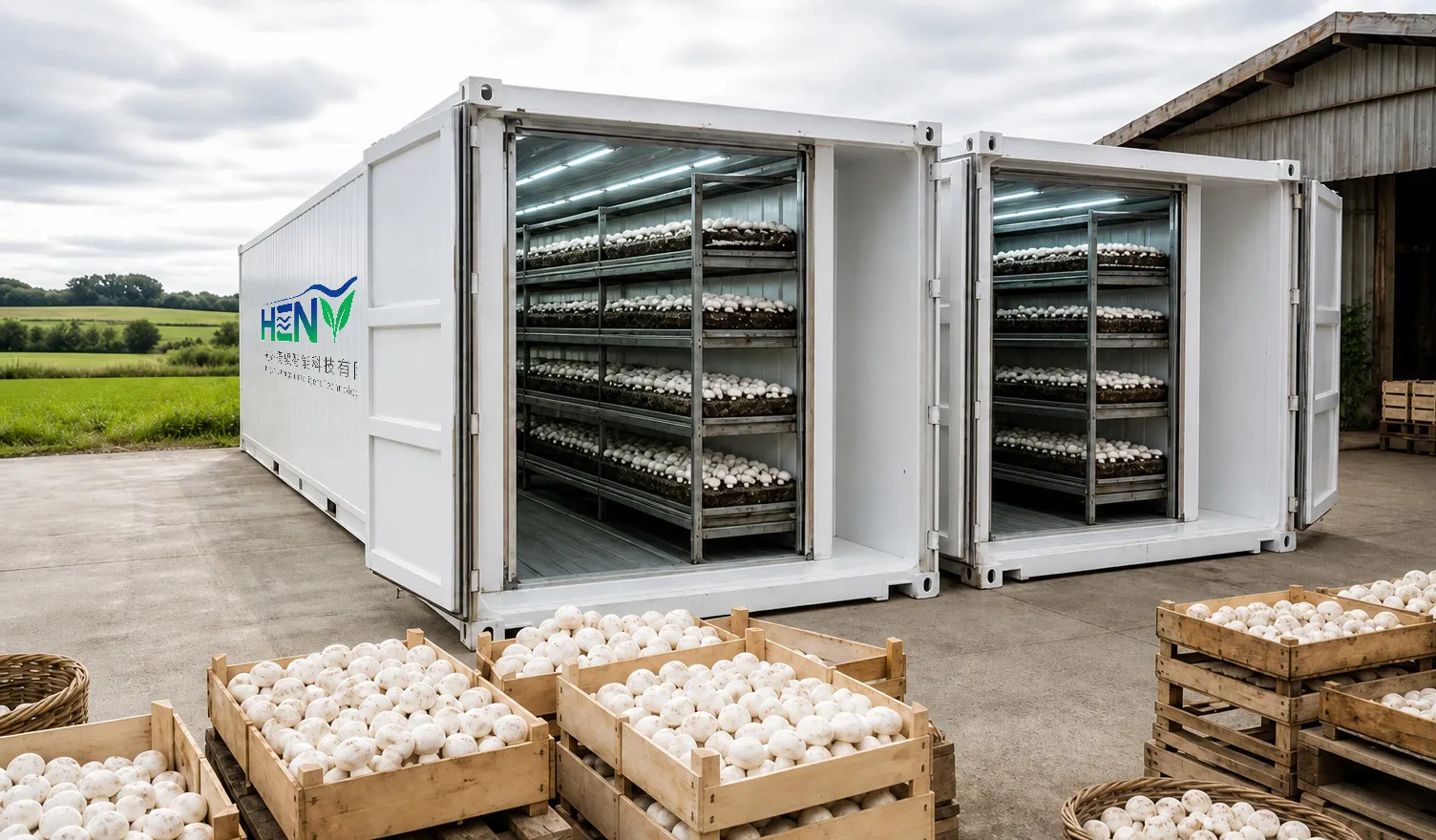
The container's internal space is organized into multi-level cultivation racks (typically 3–6 layers), which multiplies the effective production area per unit of footprint — a 40-ft container can yield several tons of leafy greens per crop cycle. Automation is central to operation: automatic irrigation and fertigation, sensor-based climate control, LED dimming, timer-controlled lighting, and sometimes robotic or semi-automatic transplanting, harvesting, and packing. Some advanced designs use a rotating or conveyor system to ensure even light distribution across the canopy. The result is a high degree of repeatability — the same crop, the same quality, from crop to crop.
7. Advantages
- Year-round production: unaffected by seasons, weather, or climate.
- High yield per area: vertical stacking multiplies productivity per square meter.
- Water savings: hydroponic recirculation can use 90% less water than conventional farming.
- Pesticide-free: the sealed environment excludes pests and reduces disease pressure.
- Local supply: containers can be deployed near urban centers, supermarkets, or restaurants, shortening supply chains and reducing transport.
- Mobility and scalability: units can be shipped, stacked, and clustered into farms; deployment is fast — a container can be operating in days to weeks.
- Traceability: complete control of inputs supports full traceability of the crop.
8. Challenges
- High energy consumption: lighting and cooling dominate operating costs; energy is the main determinant of economics.
- Capital cost: a ready-to-operate container farm costs tens to hundreds of thousands of dollars depending on equipment.
- Technical skills: successful operation requires knowledge of hydroponics, plant physiology, sensors, and control systems.
- Heat management: waste heat from LEDs and cooling must be removed or reused; container farms often need integration with building systems.
- Crop selection: only relatively small, fast-growing, high-value crops (leafy greens, herbs, microgreens, some berries and seedlings) are currently economically viable.
9. Applications
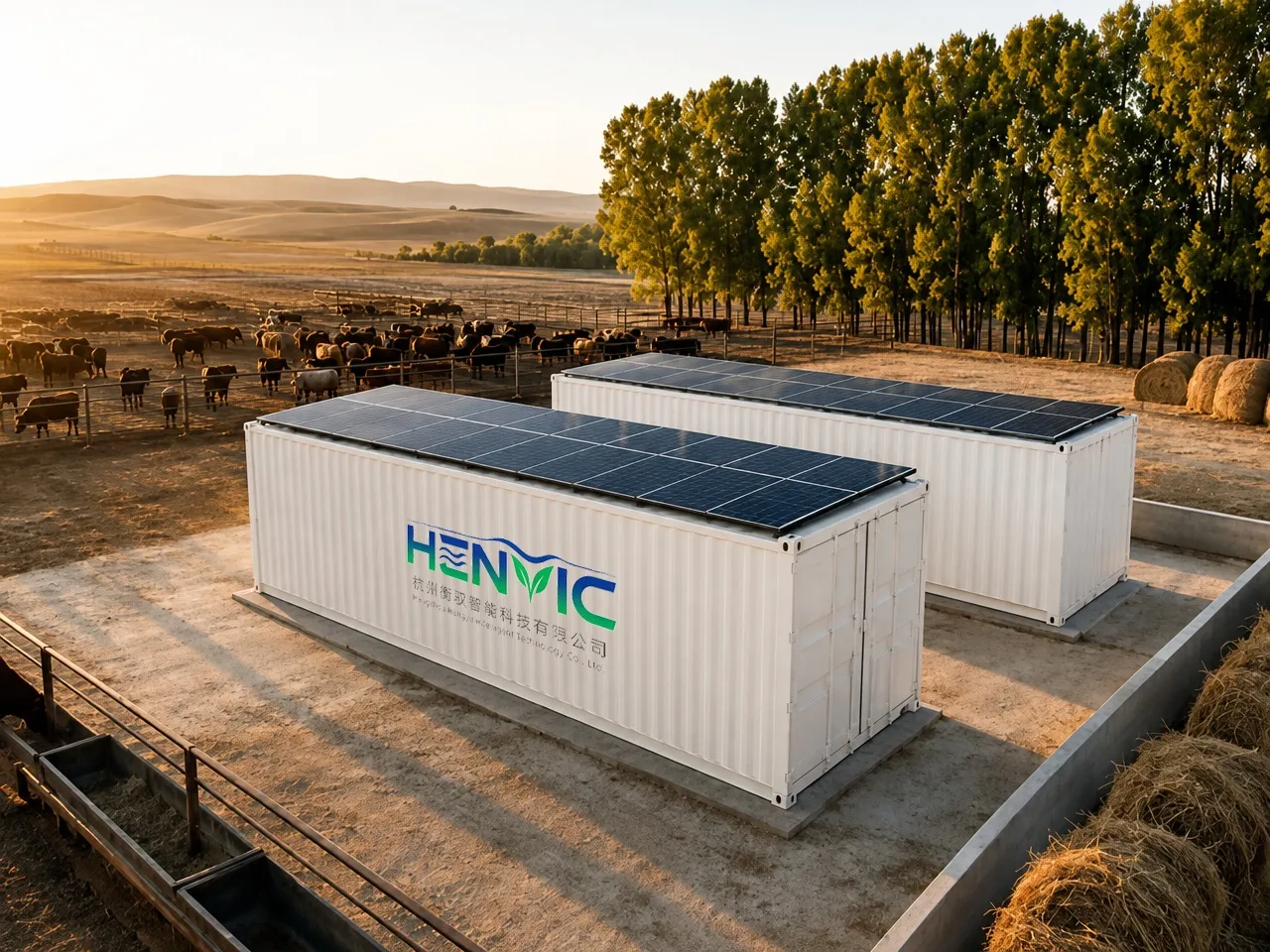
Container farms are deployed for local and regional production of salad greens and herbs for supermarkets and restaurants; for microgreen and baby leaf production; for cultivation of specialty herbs and medicinal plants; as seedbeds for transplant production; and in extreme environments such as deserts, polar regions, and high-altitude areas, as well as for urban food security programs. A cluster of containers can be arranged into a modular vertical farm, with shared infrastructure, central control, and unified logistics.
10. Conclusion
Container-based cultivation combines the precision of controlled-environment agriculture with the mobility and modularity of standard shipping containers. Its core technologies — LED lighting, closed-loop hydroponics (especially NFT and DWC), automated climate control, and multi-layer racks — allow leafy vegetables to be grown anywhere, anytime, with high yield, consistent quality, and low pesticide use. The main obstacles remain energy cost and capital investment, but ongoing advances in LED efficiency, heat recovery, and automation continue to improve the economics. As urbanization and climate change intensify the need for local, resilient food production, container farms are positioned to become an important complement to conventional agriculture — a complete, transportable "plant factory in a box."