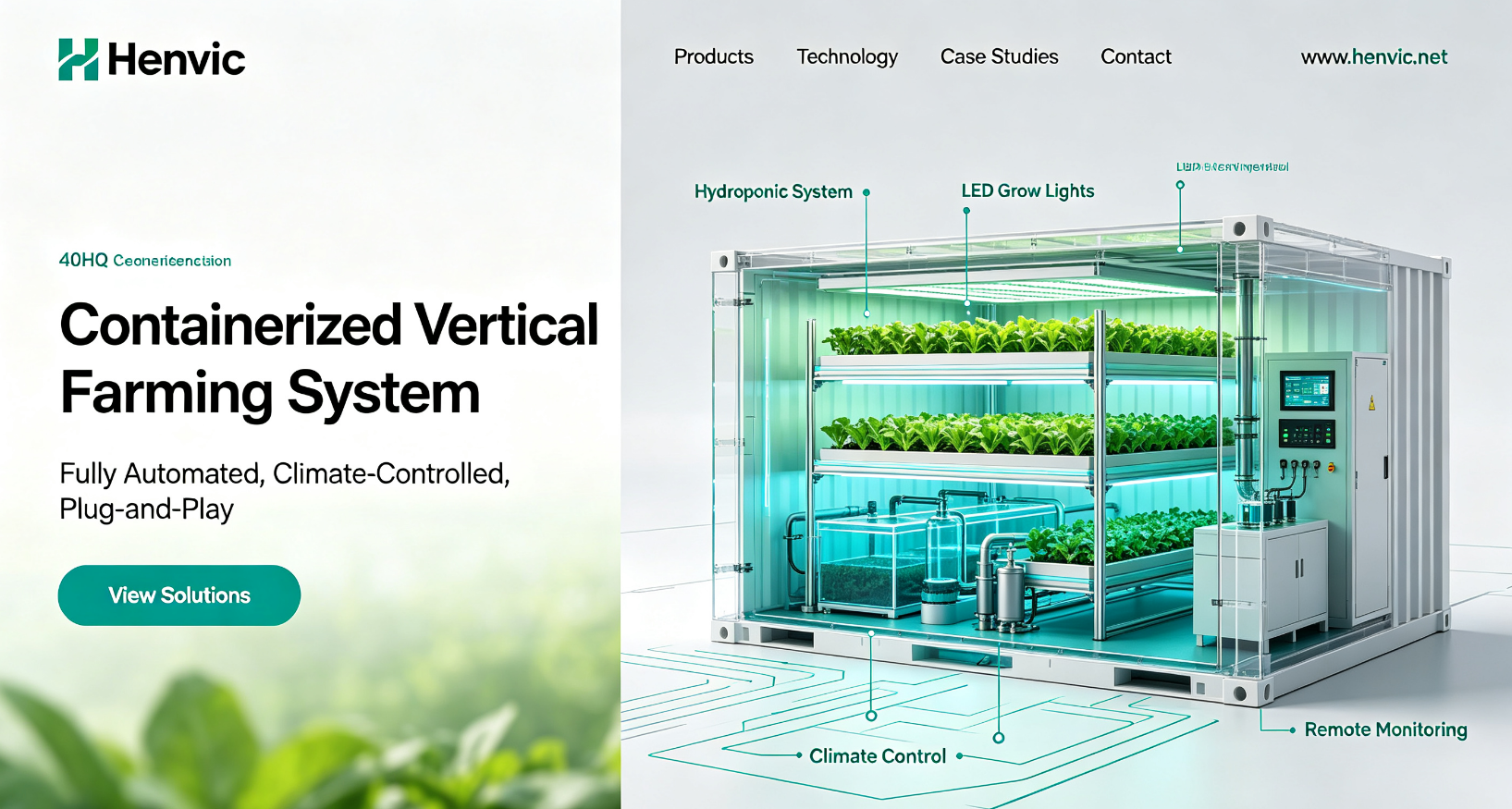
Controlled Environment Agriculture (CEA) is a cutting-edge direction in modern agriculture. Its core concept is to "liberate" agricultural production from the natural environment and create optimal growth conditions through technological means.
Core Features
- Full Environmental Control: Precise adjustment of parameters such as temperature, humidity, light, CO2 concentration, and nutrient solution EC/pH values
- Year-Round Production: Continuous production 365 days a year, unaffected by seasons, climate, or location
- High Resource Efficiency: Saves over 95% of water, 90% of fertilizer, and 90% of land
- Pesticide-Free: Closed environment eliminates pests and diseases, no need for pesticides
Main Forms
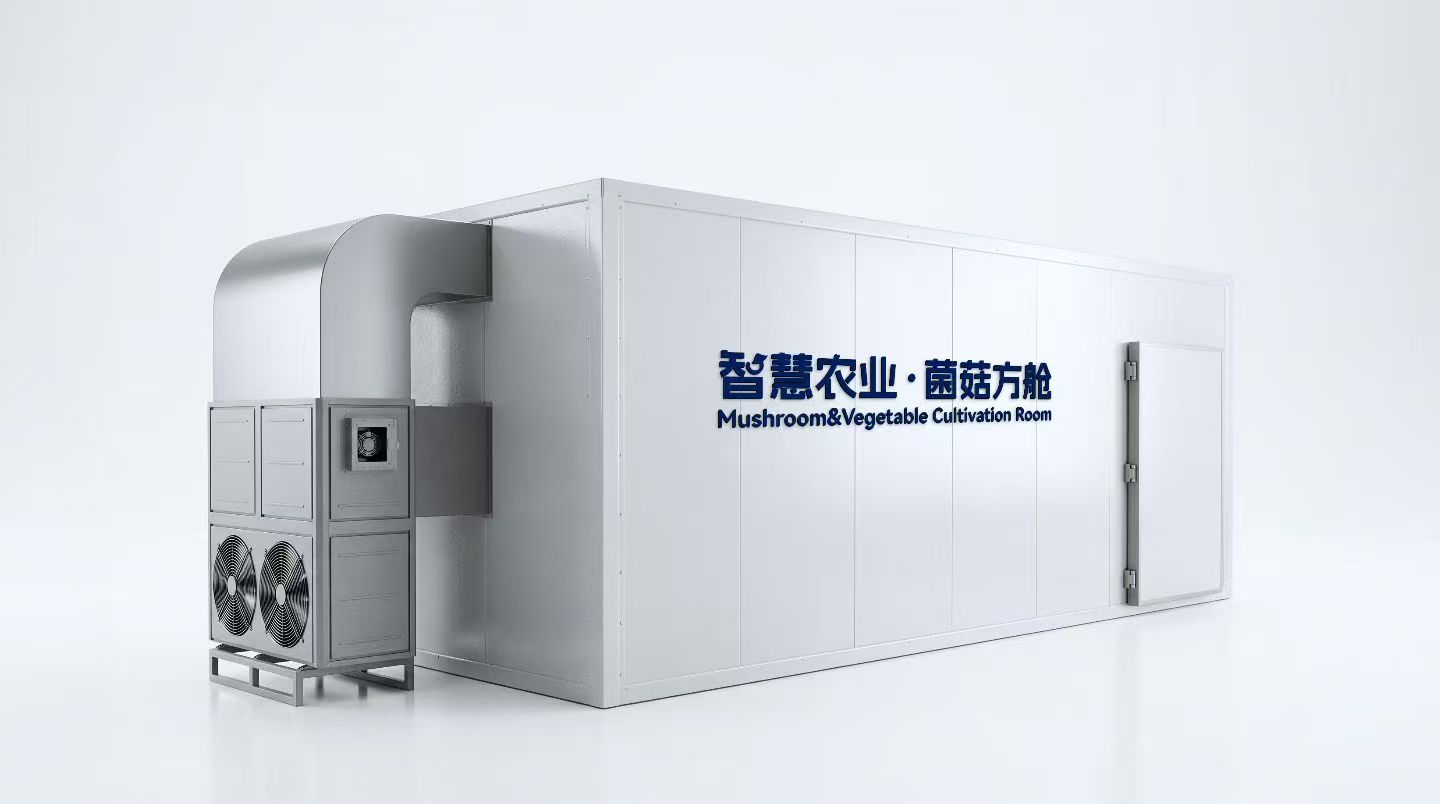
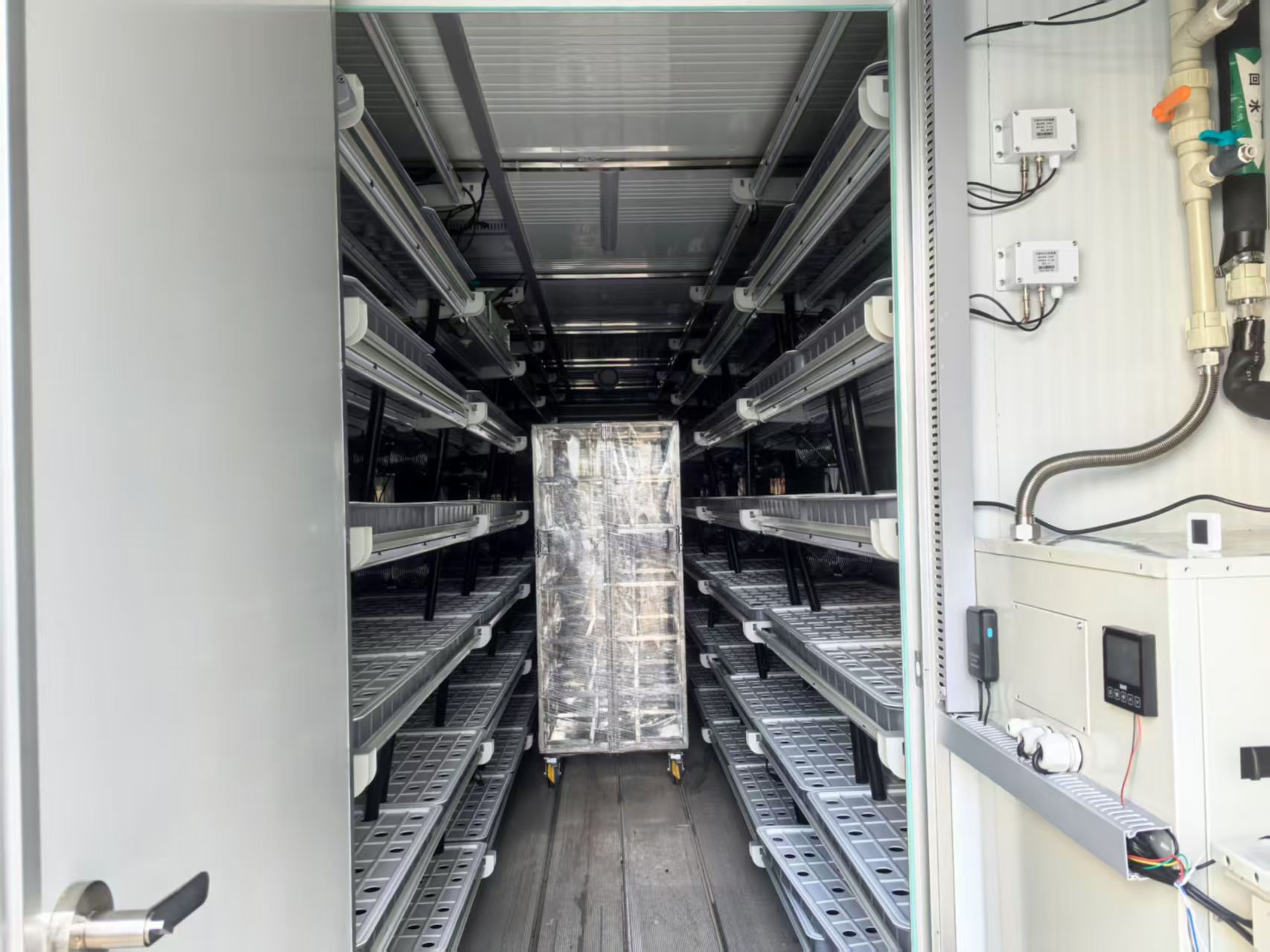
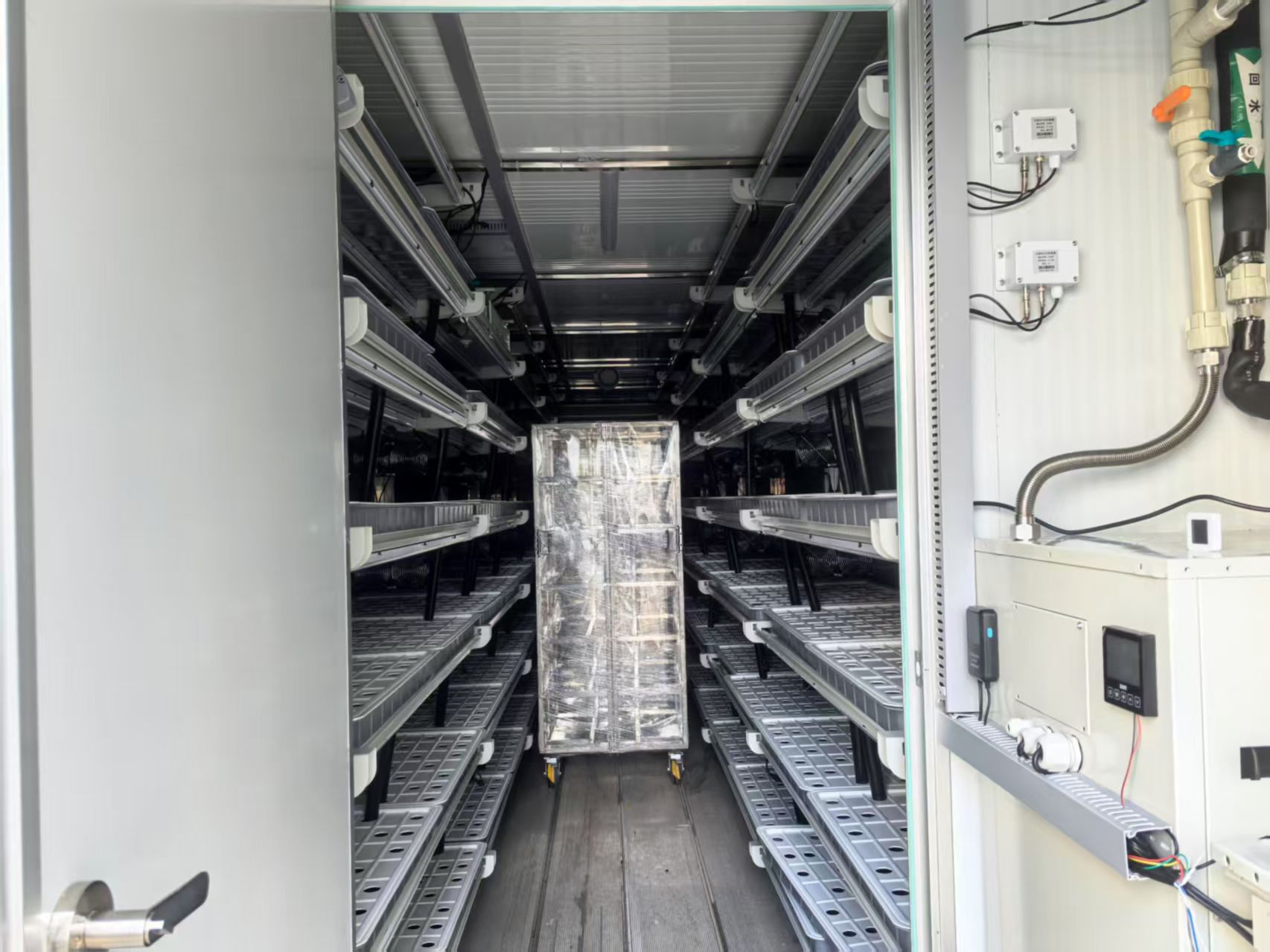
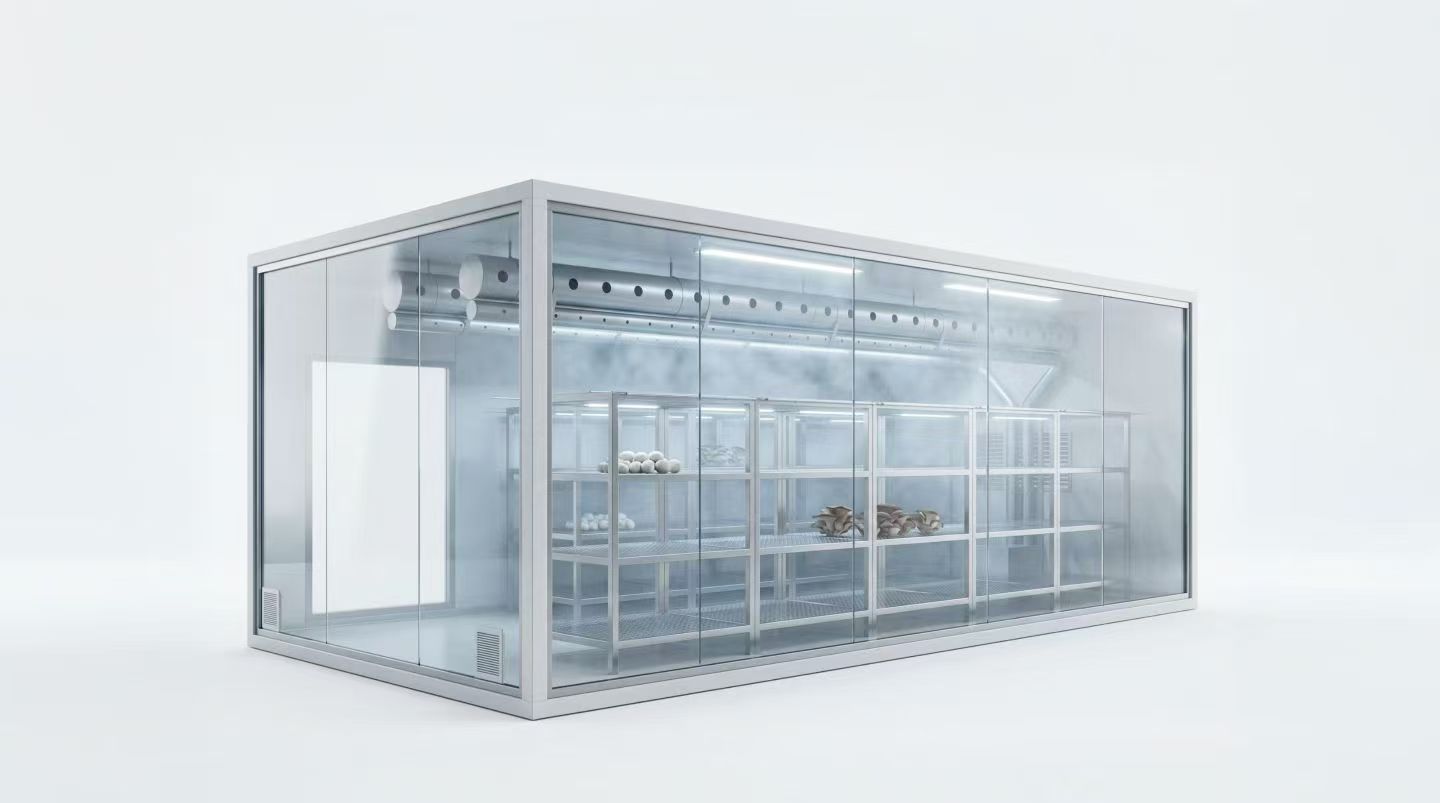
- Container Plant Factories (modular and mobile)
- Vertical Farms (multi-layered planting)
- Smart Greenhouses (semi-enclosed, natural light with supplemental lighting)
- Plant Factories (fully artificial light)
Container plant factories are one of the important forms of CEA, featuring advantages such as modular deployment, convenient transportation, and controllable costs, and are becoming a hotspot in global agricultural technology investment.