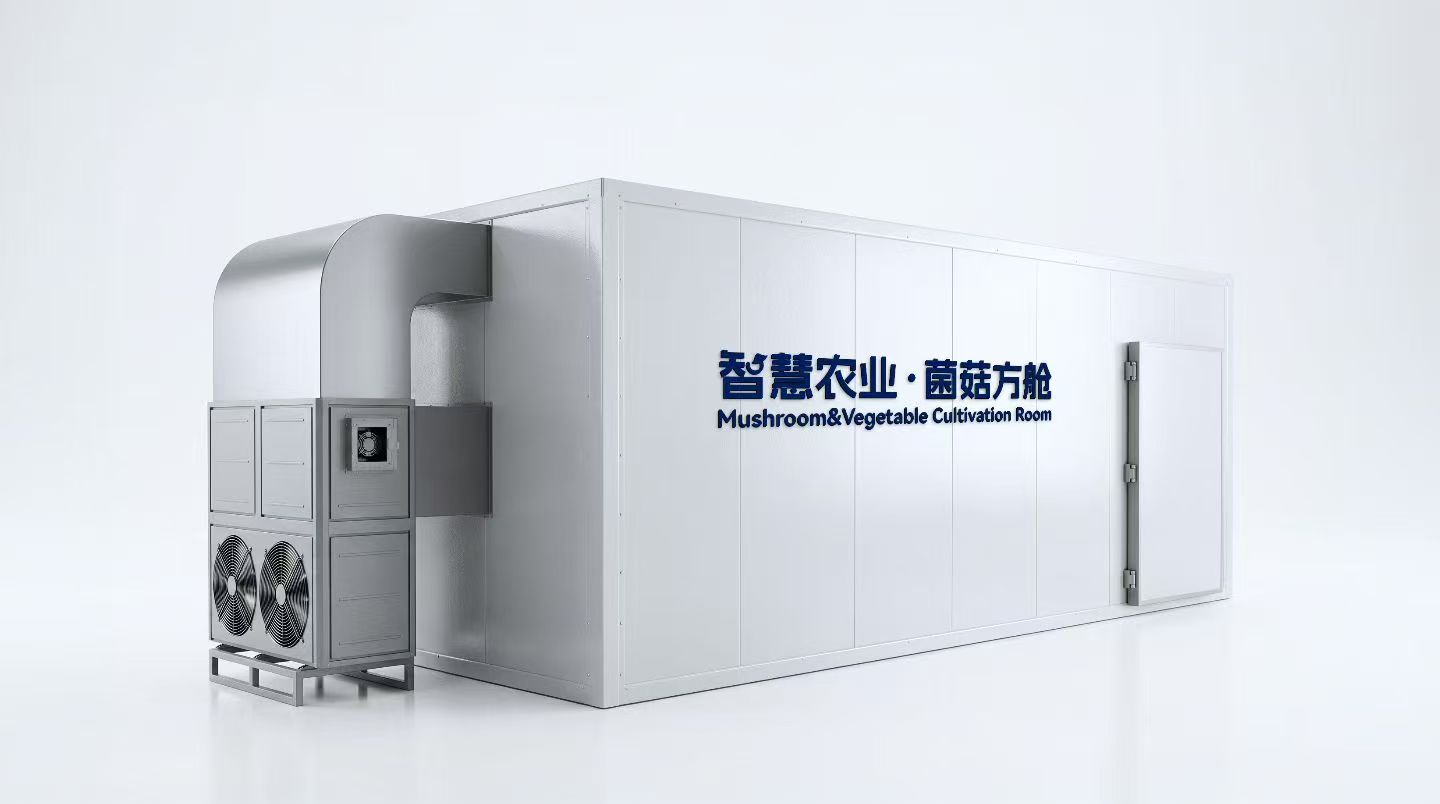
There is currently no authoritative, unified conclusion on which country applies mushroom-and-vegetable cultivation pods most widely. The following is a comprehensive analysis based on available information:
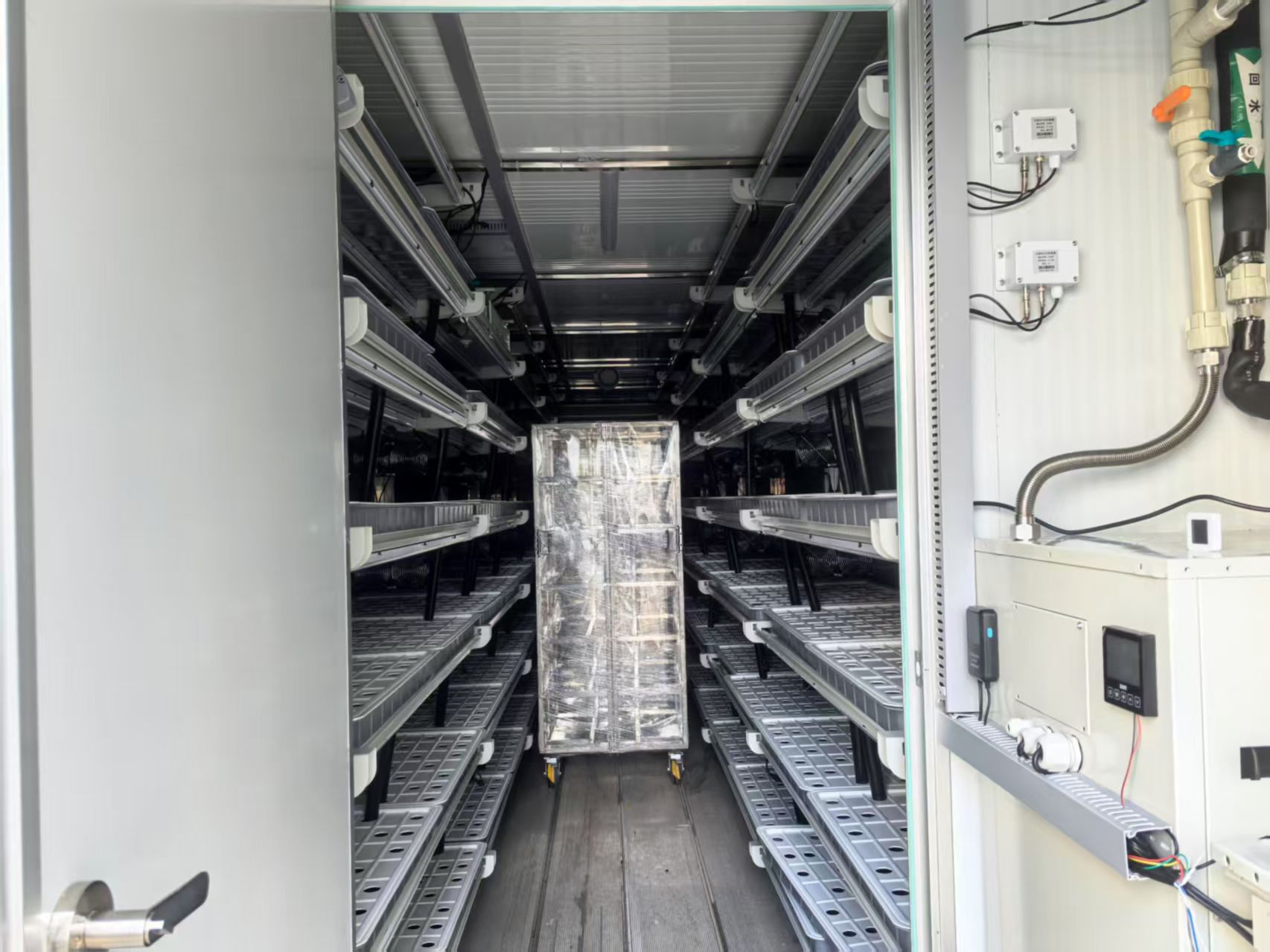
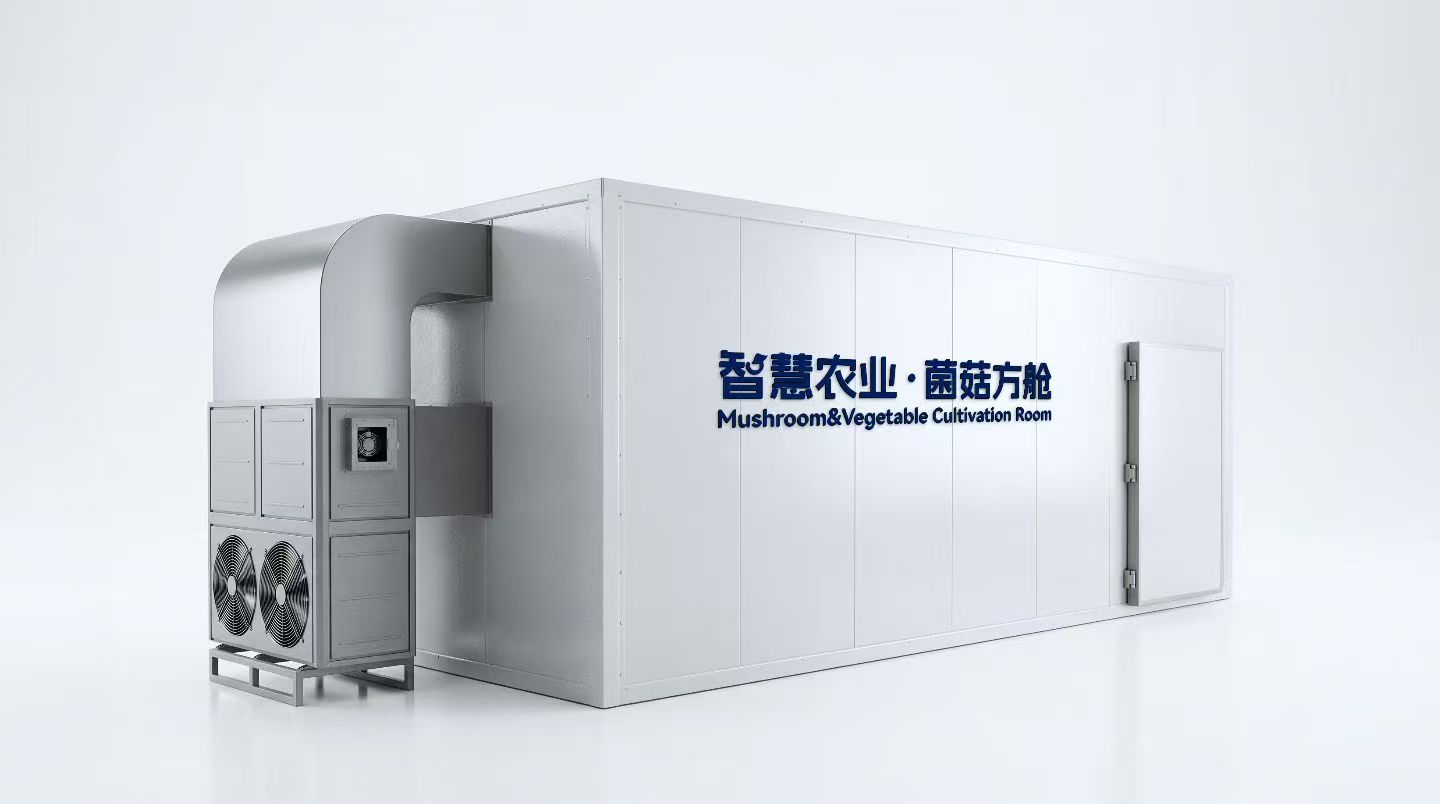
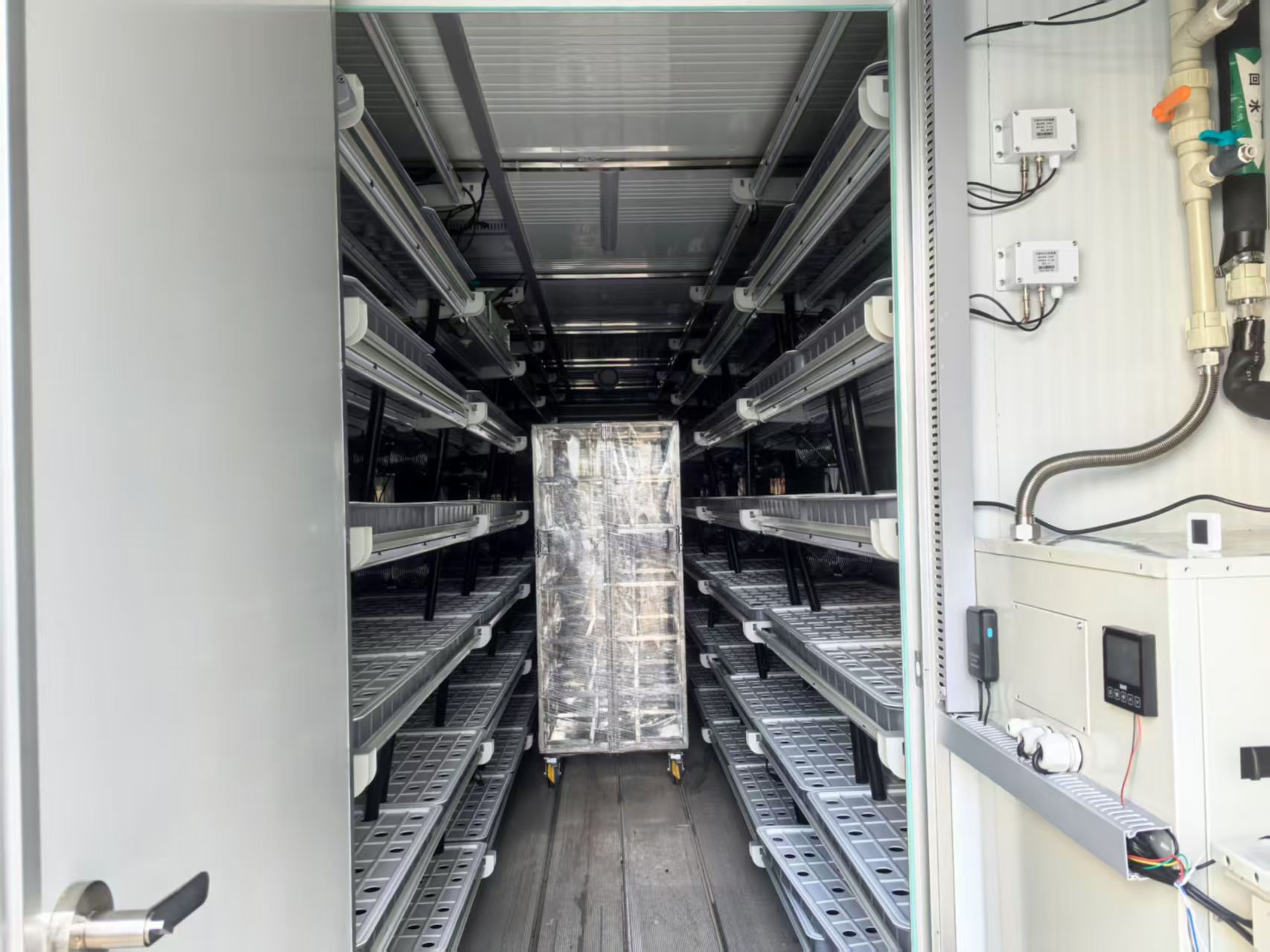
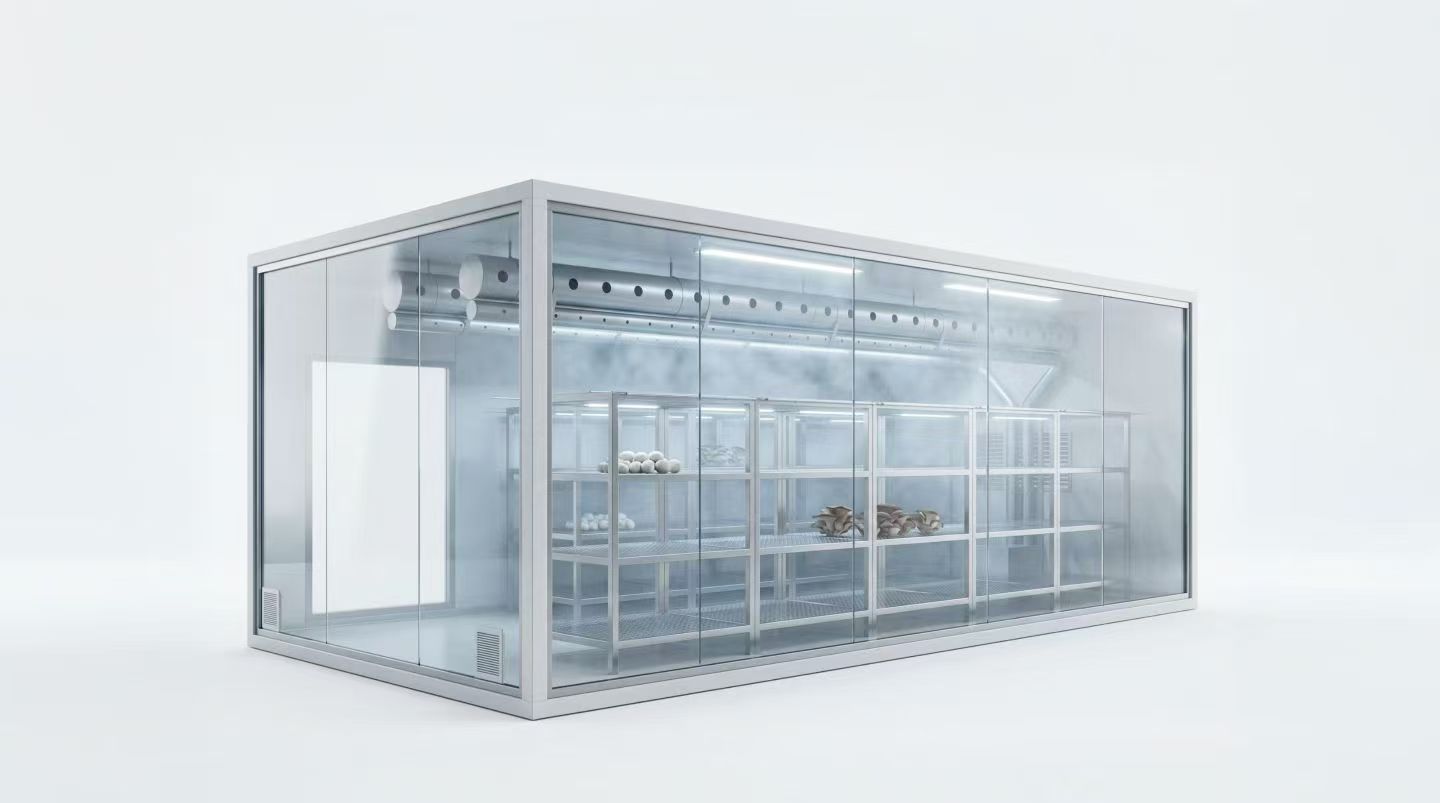
1. China: a core country for technology export and multi-scenario application. Extreme-environment coverage: container plant factories developed by Chinese firms are widely used domestically and abroad. For example, the container plant factory of Weifang Shouguang Xiangtian Agricultural Tech not only serves domestic polar-research vessels (the "floating vegetable garden") but is exported to the UAE, Canada, the Netherlands and Morocco, solving vegetable supply in deserts, extreme cold and islands. Via intelligent temperature control, LED lighting and integrated water-fertilizer systems it achieves year-round efficient production at five times traditional yield.
Technology diversity: China covers the full chain from basic equipment to high-end intelligent systems. Guangxi's smart edible-fungus pod uses AI models to precisely regulate parameters, raising the A-grade rate of Pleurotus to 95% with remote monitoring and unmanned operation; the technology has been exported to Malaysia and other ASEAN countries. Hebei's rare-fungus smart pod, combined with an AI bio-model, automates golden-ear cultivation with output above 3,000 jin per pod.
2. Southeast Asian countries: technology adaptation and local rollout. Vietnam: a climate similar to Guangxi makes it a key market; the Guangxi Liuluo team provided a customized solution for Buon Ma Thuot incorporating local climate data, solving long rainy seasons and unstable traditional cultivation. Malaysia: Guangxi's smart pod project, leveraging Belt and Road cooperation, exports an AI-driven planting model enabling "foolproof" operation and lowering the technical barrier.
3. Middle East and Europe/US: high-demand technology-validation zones. UAE and other Middle Eastern countries: extremely high demand for stable supply in deserts; Chinese container plant factories, with high-temperature design and energy optimization, became representative "oasis" agriculture. The US and Canada: land scarcity and extreme climates drive adoption of container cultivation to raise self-sufficiency.
4. Technology inclusiveness shapes the global distribution. No absolutely dominant country: applications show a "multi-center, regionalized" feature; countries choose adapted solutions per climate challenge, policy and cooperation.
China's role stands out: as an R&D and export hub, China promotes globalization via equipment export and full-chain services (seedling, O&M guidance), especially in extreme environments and ASEAN markets.
For detailed cases in a specific country or the latest market-share data, consult industry reports or contact relevant firms.
目前尚未查询到关于“菌菇蔬菜培育箱在哪个国家应用最广泛”的权威统一结论。以下是基于现有信息的综合分析:
一、中国:技术输出与多场景应用的核心国家
极端环境覆盖:中国企业开发的集装箱式植物工厂和智慧食用菌方舱已广泛应用于国内及国际市场。例如,潍坊寿光翔天农业科技有限公司的集装箱植物工厂不仅在国内用于极地科考船(如“海上菜园”),还出口至阿联酋、加拿大、荷兰、摩洛哥等国家,解决沙漠、极寒、海岛等地区的蔬菜供应问题。这类设备通过智能温控、LED光照和水肥一体化系统,实现全年高效生产,产能达传统种植的5倍。
技术多样性:中国在菌菇培育技术上覆盖了从基础设备到高端智能化系统的全链条。例如,广西研发的智慧食用菌方舱通过AI模型精准调控环境参数,使秀珍菇A品率达95%,并支持远程监控和无人化作业,该技术已输出至马来西亚等东盟国家。此外,河北省的珍稀菌菇智慧方舱结合AI生物模型,实现了金耳等菌类的自动化种植,产量突破3000斤/舱。
二、东南亚国家:技术适配与本地化推广
越南:由于气候条件与中国广西相似,越南成为广西智慧菌菇技术的重要落地市场。例如,广西六洛团队为越南邦美蜀市提供定制化解决方案,将当地气候数据融入系统,解决了雨季长、传统种植不稳定的难题,推动鲜菇规模化生产。
马来西亚:广西的智慧食用菌方舱项目以“一带一路”合作为契机,输出AI驱动的种植模型,帮助当地农民实现“傻瓜式”操作,降低技术门槛。
三、中东与欧美:高需求驱动的技术验证区
阿联酋等中东国家:沙漠环境下对稳定蔬菜供应的需求极高,中国企业的集装箱植物工厂通过耐高温设计和能源效率优化,成为当地“绿洲式”农业的代表。
美国、加拿大:北美地区因土地资源紧张和极端气候(如冰雪极寒),引入集装箱种植技术以提高自给率。
四、技术普惠性决定全球分布特点
无绝对主导国家:当前菌菇蔬菜培育箱的应用呈现“多中心、区域化”特征,不同国家根据气候挑战、政策支持和技术合作选择适配方案。
中国角色突出:作为技术研发和输出枢纽,中国通过设备出口与全链条服务(如育苗、运维指导)推动技术全球化,尤其在极端环境和东盟市场表现显著。
若需特定国家的详细应用案例或最新市场份额数据,建议进一步查阅行业报告或联系相关企业获取定向资料。