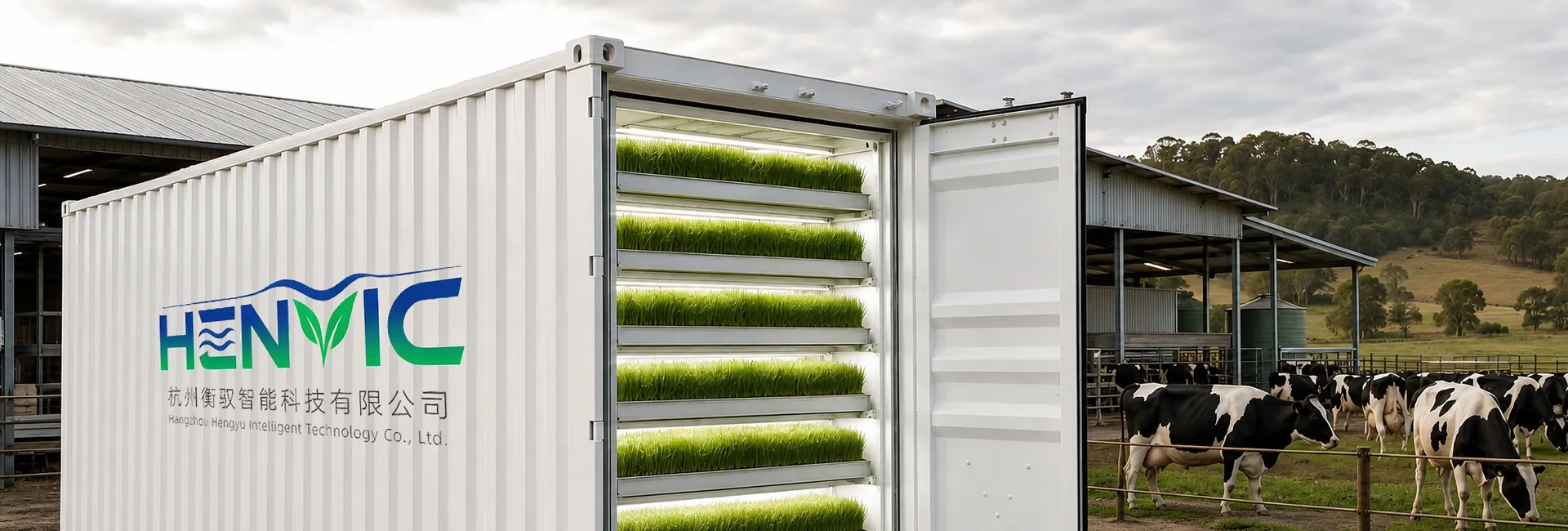
1. What It Is
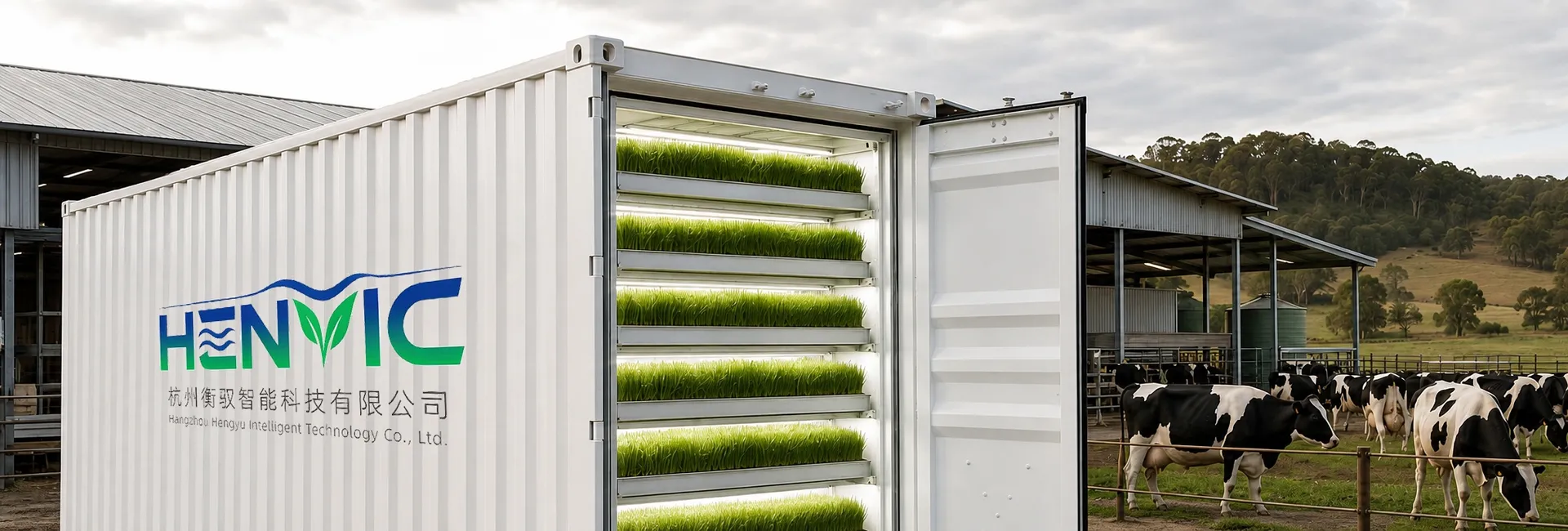
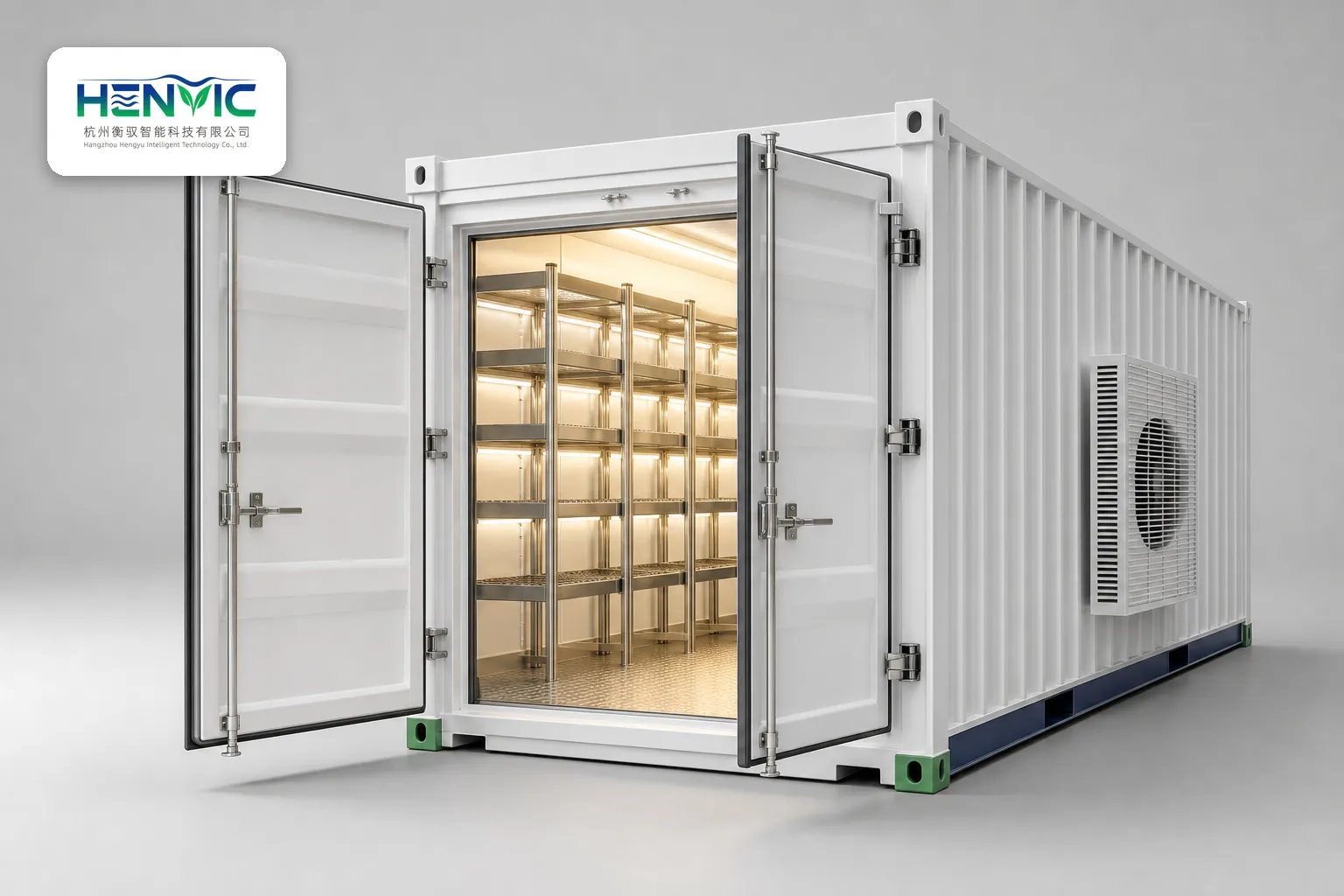
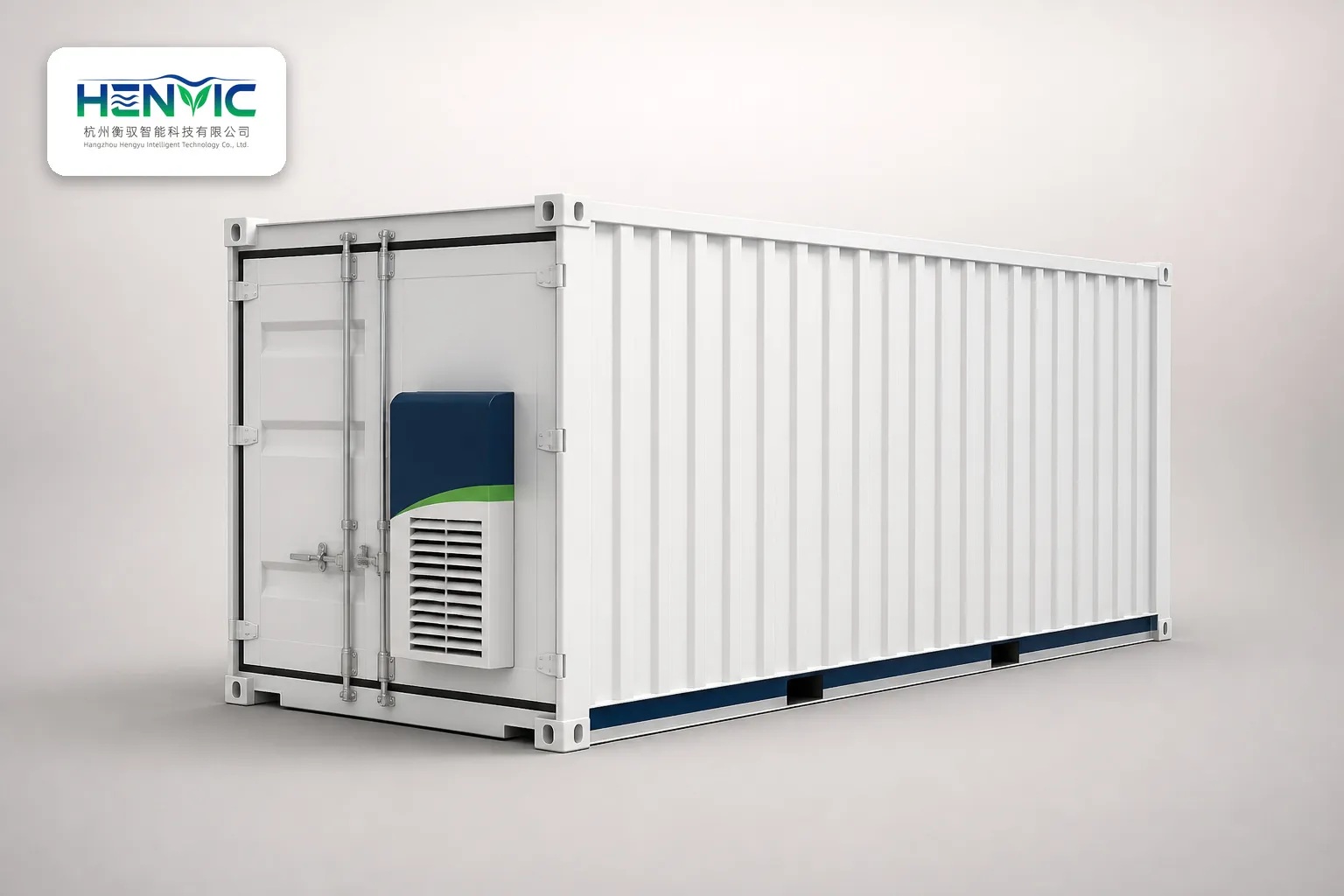
A cultivation cabin — a smart grow-cabin, container farm, or controlled-environment module — is a factory-built, sealed, insulated enclosure in which the entire growth environment is generated, measured and closed-loop controlled by software rather than by weather, season or operator intuition. It arrives finished, needs no civil works, and can be clustered into a farm.
The unifying idea across every application — leafy greens, mushrooms, herbs, seedlings, aquaculture, insect rearing, even tissue-culture acclimatisation — is that the cabin converts a biological capability into an industrial one. It cannot create a capability the organism does not possess; it makes that capability repeatable, schedulable, traceable and geographically independent.
2. The Subsystems
Envelope. Insulated panels with low thermal bridging, sealed against dust and spores, with a material airlock. Sealing is a biosecurity function as much as an energy one: it keeps contaminants out and keeps the controlled regime in.
Energy and climate plant. Heat-pump heating and dehumidification, plus humidification and, where relevant, CO₂ enrichment. Dehumidification must be sized at peak transpiration or peak respiration load, not at room volume — the most common sizing error in the industry. Redundancy per module is now standard in multi-cabin farms, because a single controller failure otherwise collapses a whole batch.
Distribution. Air, water and light must be treated as flow-field problems, not duct- or pump-sizing problems. The decisive metric is uniformity across every shelf level, measured rather than assumed. A cabin with 5% temperature spread and 30% canopy-light spread between tiers is, agronomically, five different cabins stacked.
Instrumentation and edge control. Redundant sampling of temperature, humidity, VPD, CO₂, light, and — for closed-loop nutrition — solution EC, pH, temperature, level and dissolved oxygen. The controller executes staged recipes: set-points, ramps, dwell times, differential thresholds, alarms and interlocks, with full batch logging.
Software layer. Two functions are routinely conflated. Recipe execution encodes a species' environmental profile and replays it automatically by growth stage. Digital-twin supervision exposes every parameter and control action across a cluster for yield and energy optimisation. Only the first produces crops; only the second produces a factory.
3. Why Control Logic Beats Hardware
Hardware is commoditising rapidly — panels, LEDs, heat pumps and sensors are largely interchangeable between vendors. The scarce assets are validated biological recipes and energy per unit of output. A cabin is only as intelligent as the physiology encoded in it.
This is why the same enclosure form supports radically different value cases. For commodity crops, the cabin must beat open-field cost per kilogram and usually fails. For rare species, pharmaceutical intermediates, food-safety-critical supply, or climates where no outdoor season exists, the cabin is not a cost optimisation — it is the only route to production at all.
4. Failure Modes
Diagnose along a fixed chain rather than by adjusting set-points empirically:
sensor → control logic → plant capacity → distribution field → envelope integrity → input quality (seed, spawn, substrate, water).
Recurring culprits are calibration drift (a 0.2 mS/cm EC offset is invisible on a dashboard and obvious in the harvest), humidity overshoot causing surface water and microbial blotch, dead air zones producing the classic "half the rack is fine" pattern, and cleaning shortcuts — in a sealed module, one infected batch becomes many.
5. Trajectory
Fixed set-point tables are giving way to adaptive control: vision-based growth staging that advances or holds a phase, model-predictive lighting that trades energy against target yield, per-tier airflow engineering for deeper racks, and cluster supervision treating dozens of modules as one schedulable factory. Asset-light financing — cooperative-owned cabins leased to a specialist operator — is expanding access where capital intensity would otherwise block adoption.
The binding constraint is energy. Expect cabins to be judged, increasingly, by kilowatt-hours per kilogram, not by dashboard features.
Evidentiary note. This is a general engineering treatment; no specific deployment, yield or cost figures are asserted. Physiological set-points are species- and strain-dependent and must be established experimentally per cabin.
Saved as Cultivation-Cabin-Smart-Grow-Module.md (~960 words, five sections) — available to view or download in the artifact panel.