1. Introduction: The Quest to Domesticate Matsutake
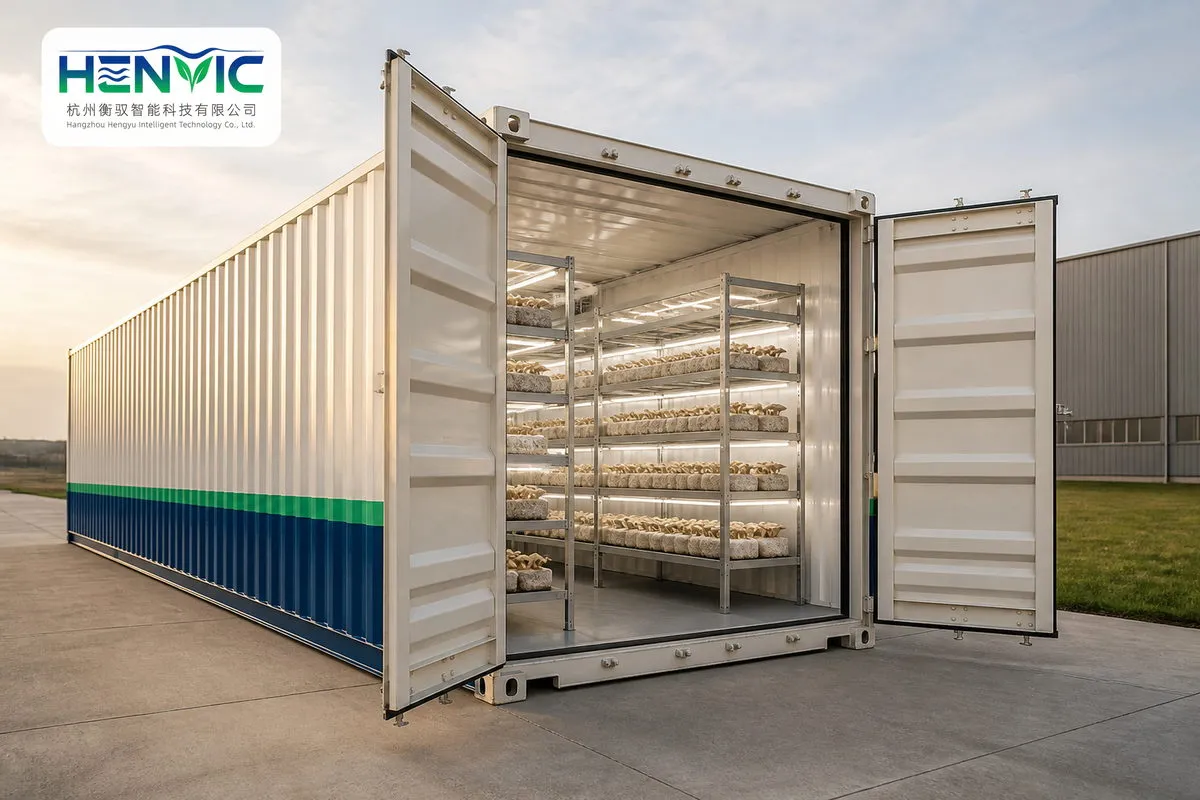
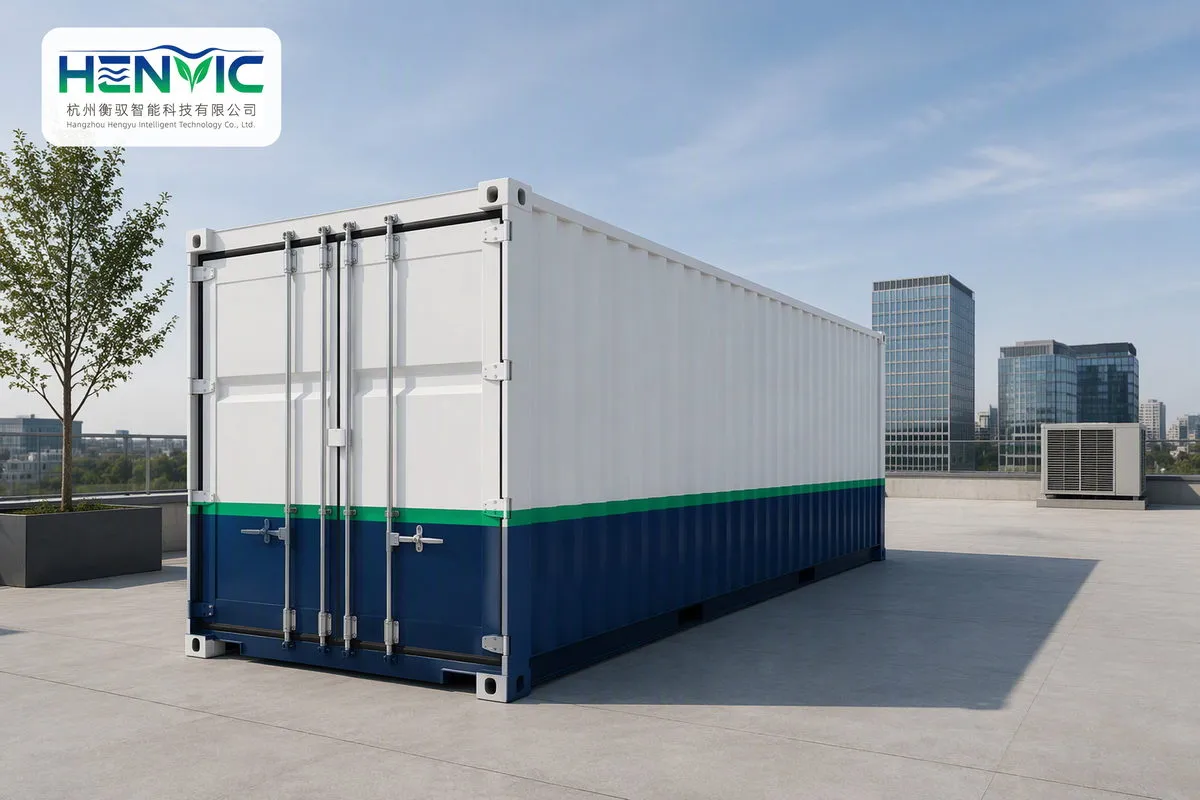
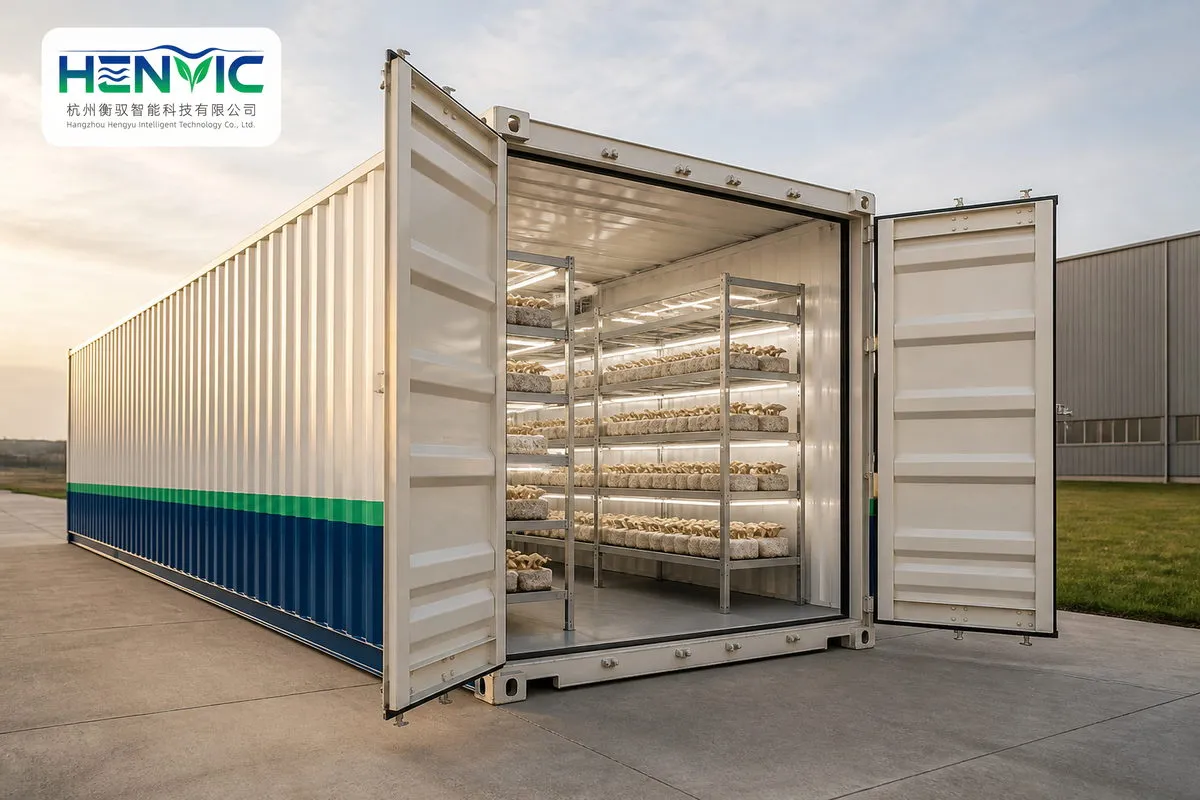
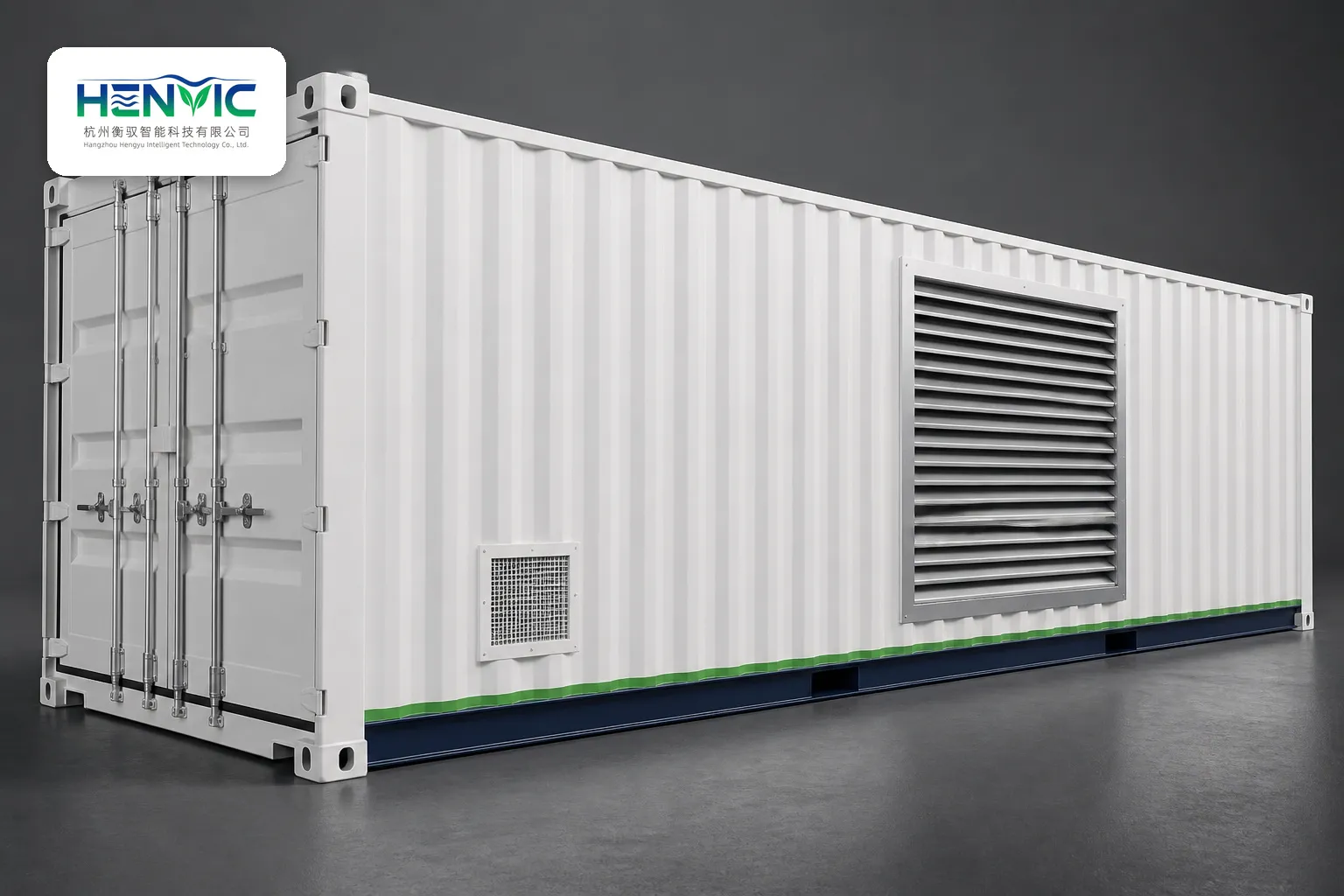
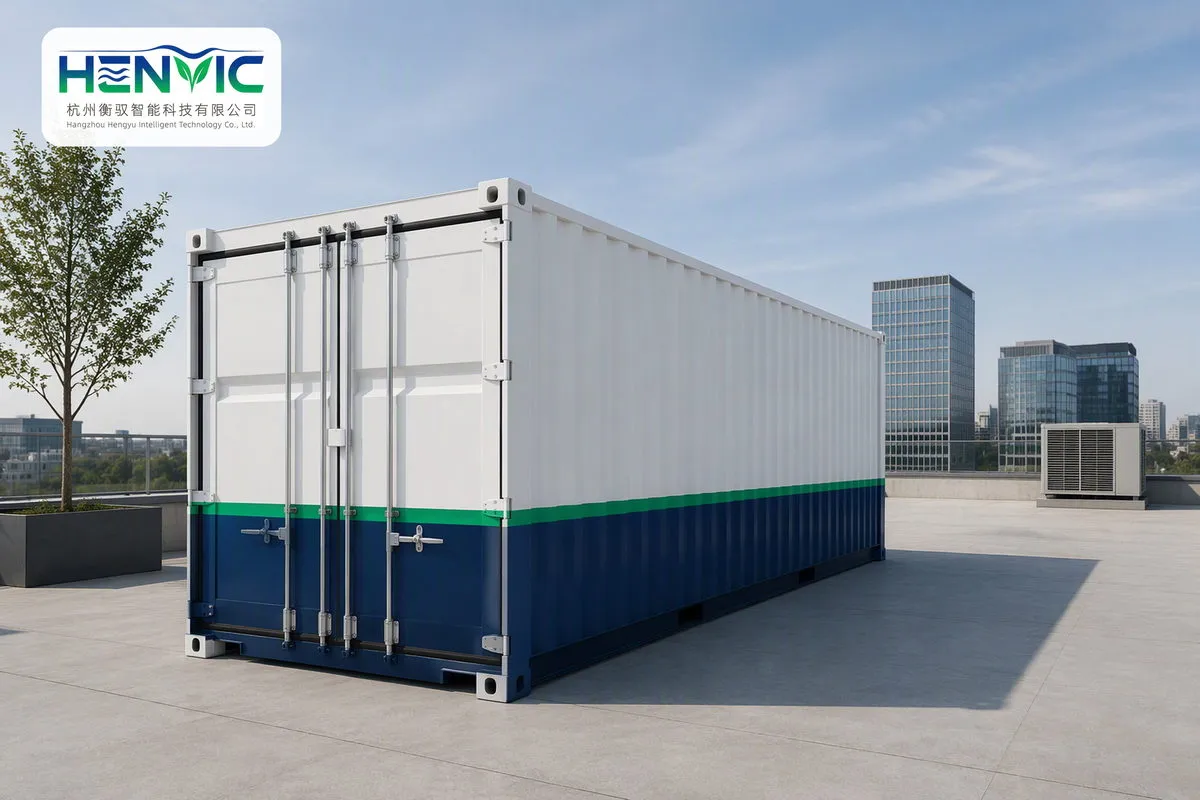
Matsutake (Tricholoma matsutake) is a globally acclaimed wild edible mushroom, celebrated for its rich aroma, distinctive flavor, and high nutritional and medicinal value. As international demand for this rare delicacy surges, traditional harvesting—dependent on seasonal outings and wild ecosystems—is increasingly unsustainable. In response, the development of specialized Matsutake cultivation containers has emerged as a pivotal innovation, enabling scientists and growers to transition from unpredictable foraging to stable, controlled-environment production. These containers are engineered as microcosms, replicating the complex ecological niche that Matsutake requires to thrive.
2. Biological Imperatives: Emulating the Natural Habitat
Matsutake is a notoriously difficult species to cultivate indoors because it relies on a symbiotic relationship with host trees, primarily conifers like Pinus spp. Its mycelium forms external mycorrhizae with tree roots, exchanging soil nutrients for carbohydrates. The cultivation container must therefore simulate this underground network.
The container is designed with a specialized soil matrix that includes specific organic matter, optimal pH levels, and a mineral profile mimicking the forest floor. Inside this controlled shell, the environment is fine-tuned to maintain the cool, humid conditions (typically 15°C to 22°C and relative humidity around 80%) of an autumn forest, providing the ideal thermal rhythm for primordia formation and fruiting.
3. Core Components of the Cultivation Container
A modern Matsutake cultivation container is a highly integrated system comprising several critical subsystems:
3.1 The Thermally Insulated Shell and Geologic Sub-Layer
The container is constructed with certified insulation materials to prevent external temperature swings from disturbing the sensitive mycelial network. The internal design incorporates a dynamic geologic layer. This isn't just standard dirt; it's a scientifically proportioned blend of forest floor soil, peat, and sterile sand that ensures the aeration and water-holding capacity essential for Matsutake.
3.2 AI-Driven Climate and Gas Regulation
Precision is paramount. The container features advanced environmental sensors that monitor soil moisture, ambient humidity, temperature, light intensity, and air circulation. These sensors are linked to an automated climate control unit. For instance, the container utilizes specialized LED arrays that provide the exact low-intensity, indirect light spectrum similar to dappled sunlight through a forest canopy. Air exchange units continuously refresh the internal atmosphere, preventing the buildup of carbon dioxide and volatile organic compounds that could inhibit mushroom development.
3.3 Host-Substrate Integration and Hydration
To successfully cultivate Matsutake outside of a natural forest, the container often incorporates specific host plant roots or uses pre-colonized mycorrhizal substrates. A high-precision hydration system—usually employing mist and condensation mechanisms—ensures the substrate remains consistently moist but not waterlogged, mimicking the natural dew and light rainfall patterns of the mushroom's native habitat.
3.4 Sterilization and Contamination Barriers
Because Matsutake is slow-growing and highly vulnerable to aggressive competitors, the container’s interior is sealed to maintain a sterile barrier. UV filters and particulate filters on the ventilation systems prevent airborne molds (like Trichoderma) and harmful bacteria from invading the delicate ecosystem, drastically reducing failure rates.
4. The Cultivation Lifecycle within the Container
The journey of Matsutake within this high-tech vessel is a meticulous orchestration of biological events:
Phase 1: Mycorrhizal Colonization. The process begins with introducing Matsutake spawn into the root zone of the host plants or substrate within the container. The automated system maintains stable temperatures and humidity, promoting the slow, deliberate colonization of the soil matrix by the mycelium.
Phase 2: Primordia Initiation. Once the mycelium has established a robust network, the container's controllers trigger a simulated seasonal shift. By slightly lowering the temperature and adjusting the light cycles, the environment sends a biological signal to the mycelium to initiate the formation of primordia (the initial mushroom pins).
Phase 3: Fruiting and Maturity. During this delicate phase, ventilation is precisely calibrated to ensure adequate oxygen without causing physical damage to the fragile fruiting bodies. The resulting Matsutake mushrooms develop with the characteristic cap shape, brown scales, and rich fragrance consistent with their wild counterparts.
5. The Impact and Sustainability
The deployment of Matsutake cultivation containers marks a watershed moment in mycology and agricultural technology. For the environment, it alleviates the pressure of over-harvesting wild Matsutake, which has led to habitat destruction in many parts of East Asia. For agriculture, it transforms a fragile, climate-dependent resource into a predictable, scalable crop. Growers can now produce high-quality Matsutake year-round, ensuring a stable supply for high-end markets without relying on unpredictable weather patterns.
6. Conclusion
The Matsutake cultivation container stands as a triumph of biological engineering. By combining an understanding of complex mycorrhizal ecology with modern climate control technology, it finally lifts the veil on one of the mushroom world's most elusive secrets. As this technology matures and scales, it promises to make this once-rare, wild-foraged treasure accessible, sustainable, and firmly anchored in the future of modern agriculture.