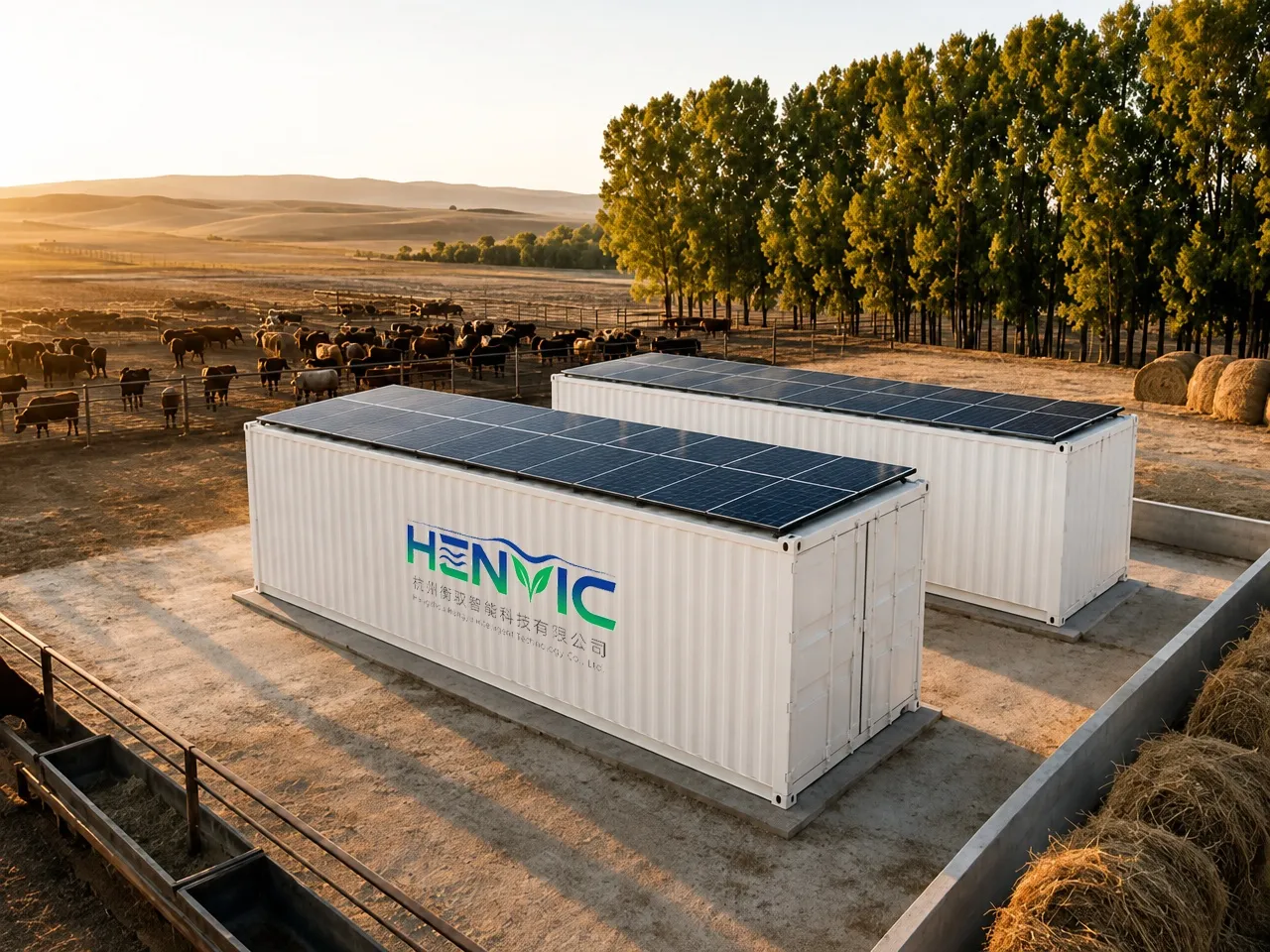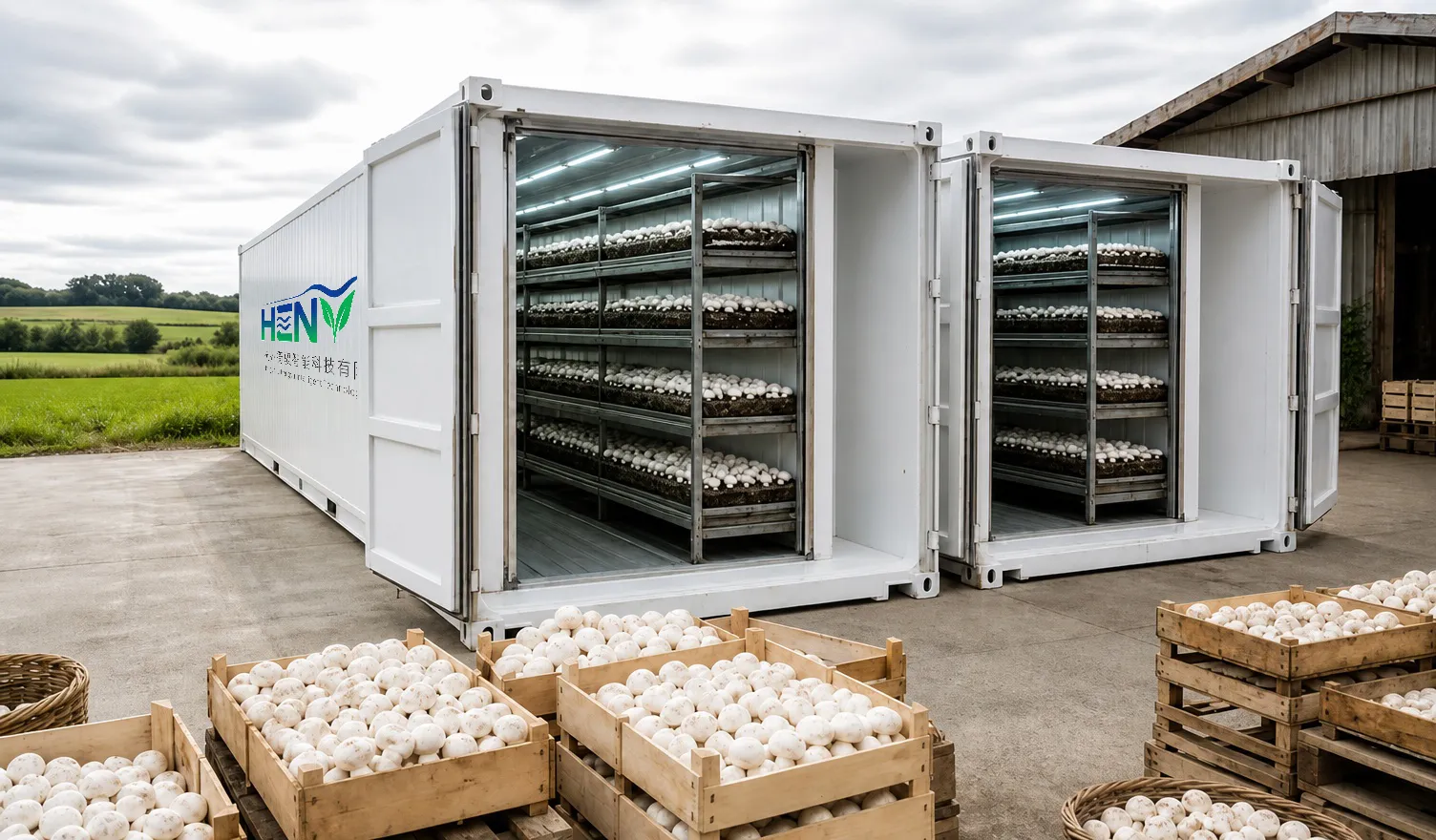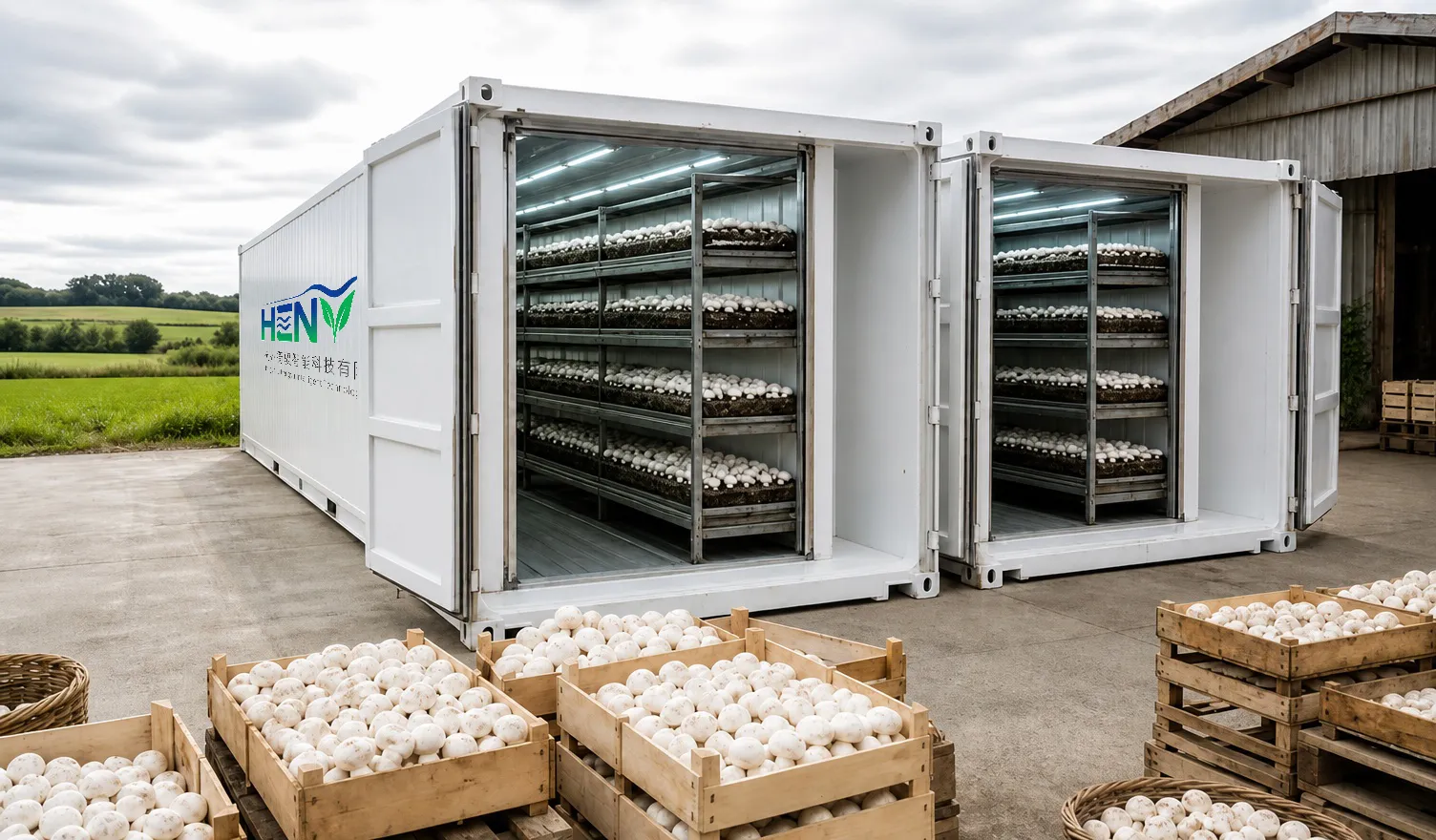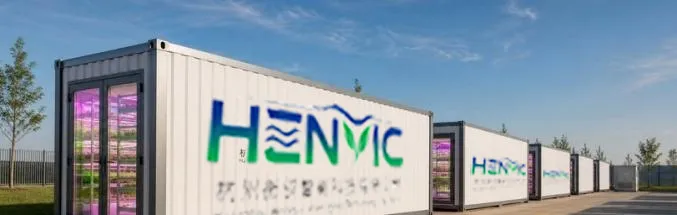
A cultivation container is a factory that arrives on a truck, and most deployment failures happen in the gap between the factory's assumptions and the site's reality. The container is dimensionally fixed, so the site must be assessed against a short list of non-negotiable requirements before any civil work begins: power capacity and quality, water volume and chemistry, slab flatness and drainage, ambient climate extremes, and access for service vehicles and harvest logistics.
Electrical supply is the first gate. A production unit with lighting, climate and fertigation may draw tens of kilowatts continuously, and the service must be sized for coincident peak rather than average, with headroom for future expansion. More important than capacity is quality: voltage sag and phase imbalance damage compressors and LED drivers, and rural or industrial sites frequently deliver both. A power-quality survey before signing a lease is money well spent. Earthing and surge protection deserve the same attention, and generator or automatic transfer provision should be decided at the design stage, because a container farm's crop value is destroyed within hours of an outage.
Water is the second gate and is routinely underestimated. Volume demand is modest compared with field agriculture, but chemistry is not: high carbonate alkalinity forces acid injection and destabilises pH control, high sodium and chloride limit recirculation, and biological contamination in the source water becomes a food-safety issue the moment it touches edible tissue. A complete water analysis — alkalinity, hardness, sodium, chloride, sulphate, micronutrients and a microbial count — should precede equipment specification, not follow it.
The slab and envelope interface determine whether the unit stays dry. Containers need a level, load-bearing base with positive drainage away from the footprint; standing water against the steel promotes corrosion and, worse, wicks into the floor insulation. In cold climates the slab should be insulated or the container raised on a plinth to prevent frost heave and floor condensation. Ambient design conditions must be taken from local extremes, not averages: a unit rated for a temperate summer will fail in a continental heatwave, and one specified for a mild winter will ice its condensate drain in a hard freeze.
Commissioning is the stage most often compressed to save schedule and is the stage that determines whether the first crop succeeds. A proper protocol verifies, in order: envelope airtightness, air-change rate at design static pressure, filter integrity, cooling and dehumidification capacity at design load, irrigation flow and dosing accuracy, sensor calibration against reference instruments, and control-sequence behaviour during a simulated power interruption and recovery. Each of these produces a number that should be recorded and compared against specification. Sensors in particular deserve independent verification, because a miscalibrated CO₂ or humidity probe will quietly drive the entire climate strategy in the wrong direction for months.
Operational readiness is the final element. Staff need written recipes, alarm response procedures and a maintenance calendar covering filter changes, coil cleaning, lamp depreciation checks and drain flushing. Spare parts holding should reflect lead times: a failed circulation pump or humidity sensor sourced from overseas can idle a production unit for weeks. Training should include the failure modes that matter — what to do when humidity climbs overnight, how to recognise a dosing fault, and when to abort a cycle rather than nurse it.
Deployment is therefore less a construction project than a system-integration exercise, and the disciplines that make it work are documentation, verification and a refusal to hand over a unit whose measured performance has not been demonstrated under design conditions.