I. Introduction: Ancestral Practice Meets Modern Science
For millennia, the cultivation of mushrooms has relied heavily on experiential knowledge and seasonal cycles. However, as the global demand for edible and medicinal fungi skyrockets, the industry is undergoing a profound transformation. Today, advanced agricultural technology is revolutionizing mycology, transitioning mushroom cultivation from a rustic craft into a precise, data-driven science. This article explores the cutting-edge technologies driving the evolution of modern mushroom farming.
II. Advancements in Substrate Formulation and Preparation
The foundation of any successful mushroom crop is the substrate—the medium on which the fungi feed. Modern technology has vastly improved how we create and sterilize these substrates.
- Diversification and Synthetic Substrates
Traditional mushroom farming relied heavily on hardwood sawdust. Today, science allows growers to formulate synthetic or blended substrates using agricultural by-products such as cottonseed hulls, wheat bran, corn cobs, and soybean stalks. By carefully balancing cellulose, lignin, and nitrogen content, growers can tailor the nutritional profile of the substrate specifically for different mushroom strains (e.g., the dense needs of Lentinula edodes [Shiitake] or the high-yield requirements of Pleurotus ostreatus [Oyster mushrooms]). - Automated Sterilization and Pasteurization
Contamination is the biggest enemy of mushroom cultivation. Modern facilities now utilize high-pressure steam autoclaves and continuous-flow pasteurization tunnels. These technologies ensure the complete eradication of competing molds and bacteria (such as Trichoderma and Pseudomonas) before the beneficial mycelium is introduced, drastically reducing crop losses.
III. Genetic Improvement and Spawn Technology
The quality of the mushroom "seed"—known as spawn—dictates the vitality of the final harvest.
- Precision Genetic Sequencing
Through advancements in biotechnology, mycologists can now precisely sequence the genomes of various mushroom species. This allows for targeted breeding programs that select for highly desirable traits: faster growth rates, high cap weight, resistance to physiological disorders (like cracking or stippling), and resilience against pathogens. - Controlled Spawn Production
Spawn production has moved from rudimentary jars to highly controlled, HEPA-filtered laboratories. The use of automated infrared incubators maintains perfectly stable environments for mycelium expansion, ensuring a uniform, highly active biological seed batch that colonizes substrates with incredible speed and vigor.
IV. Controlled Environment Agriculture (CEA) and Smart Farming
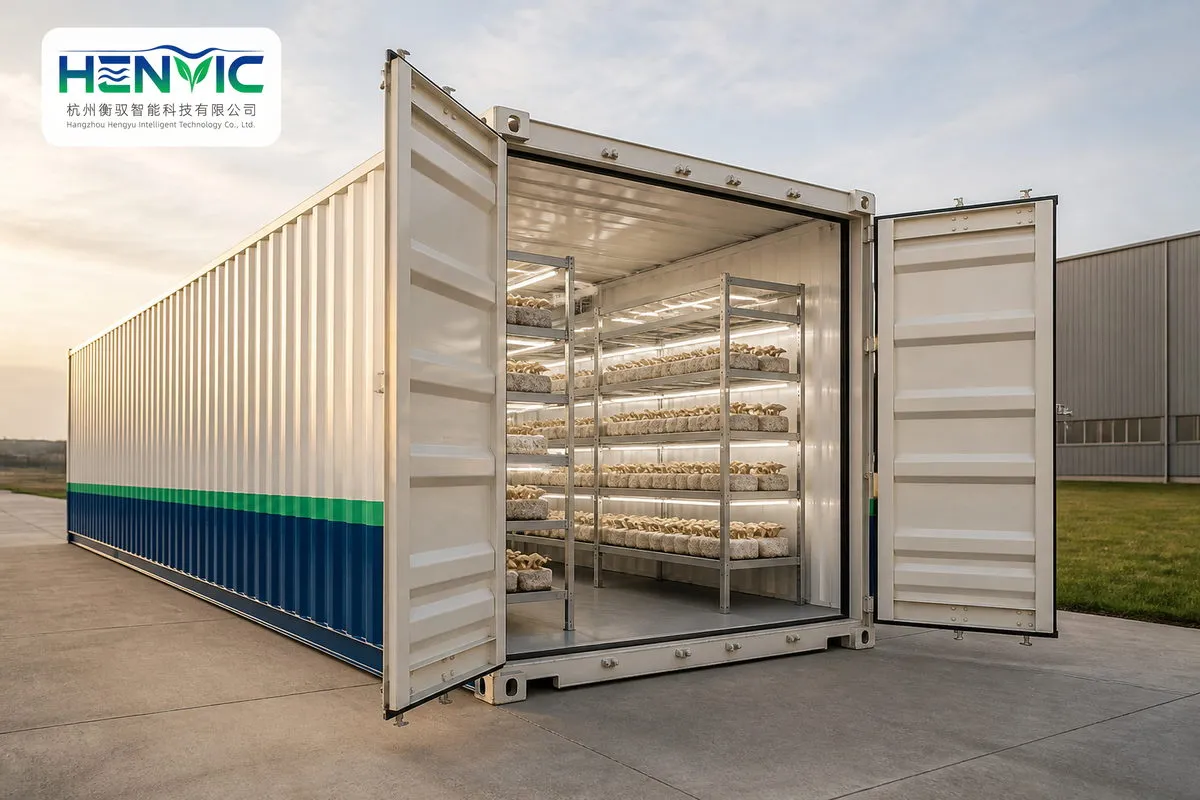
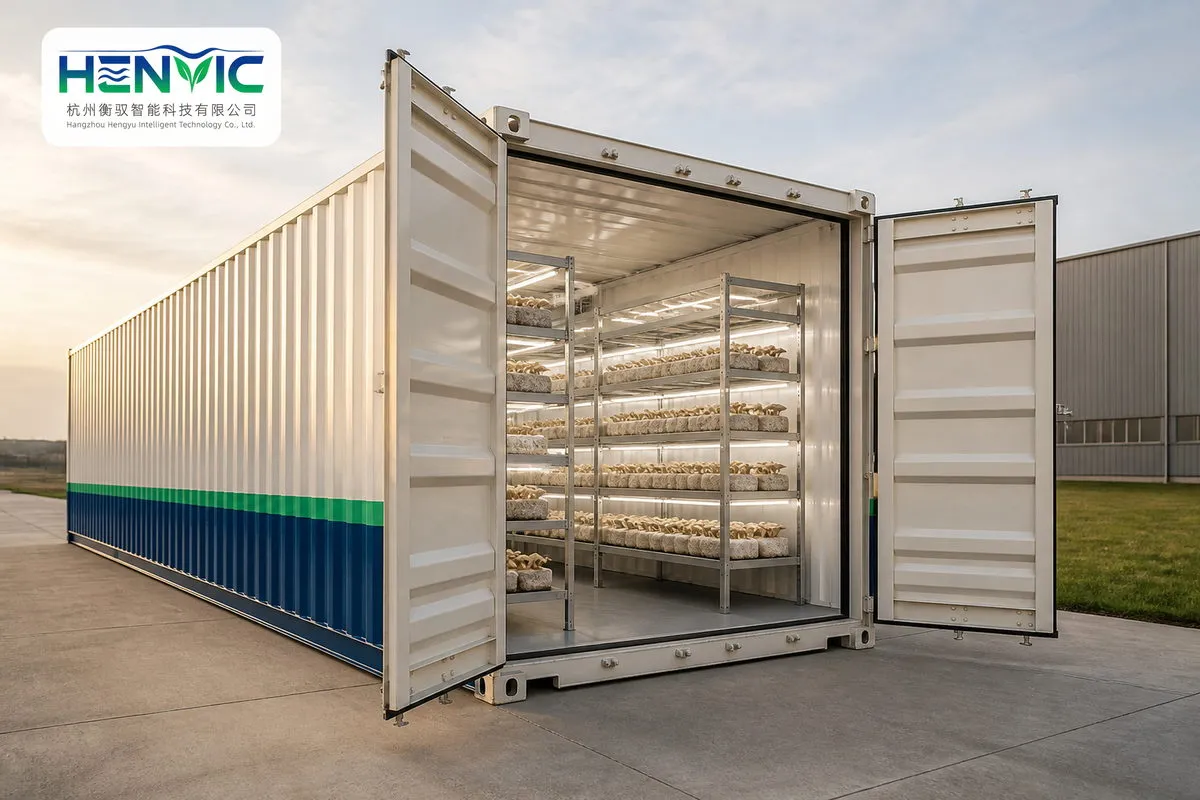
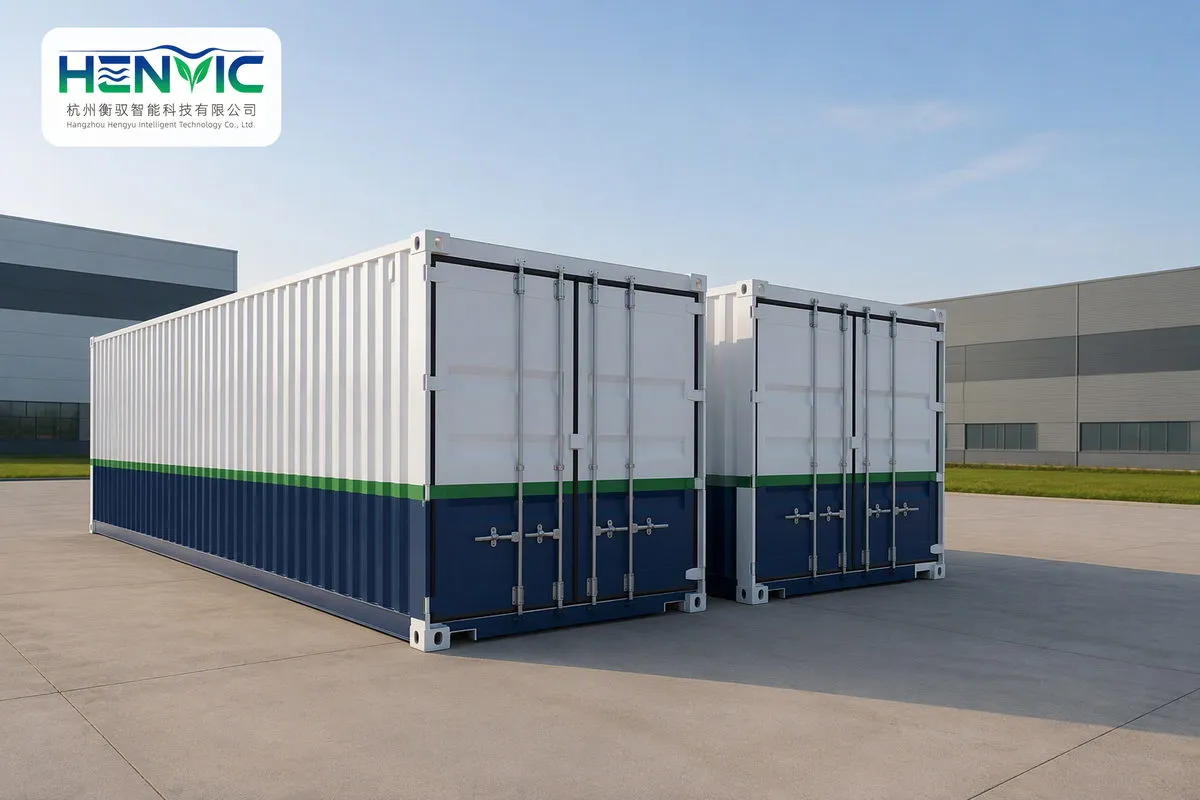
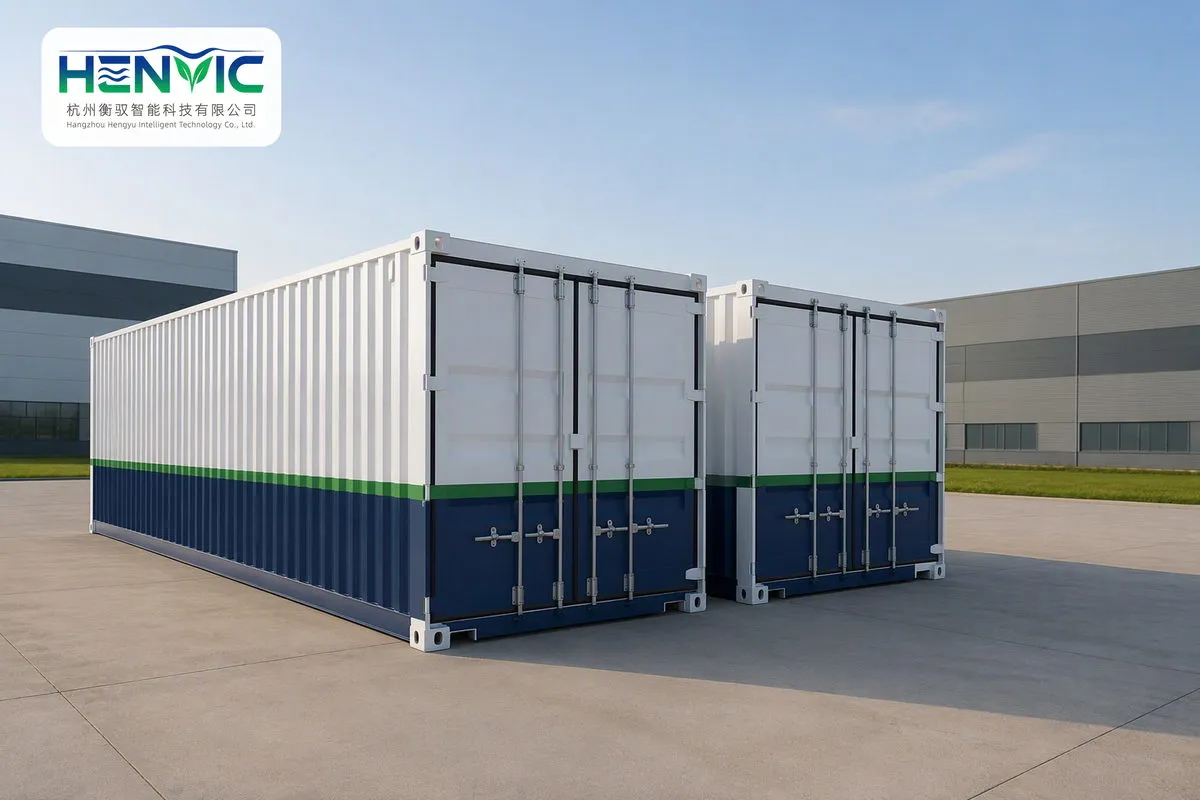
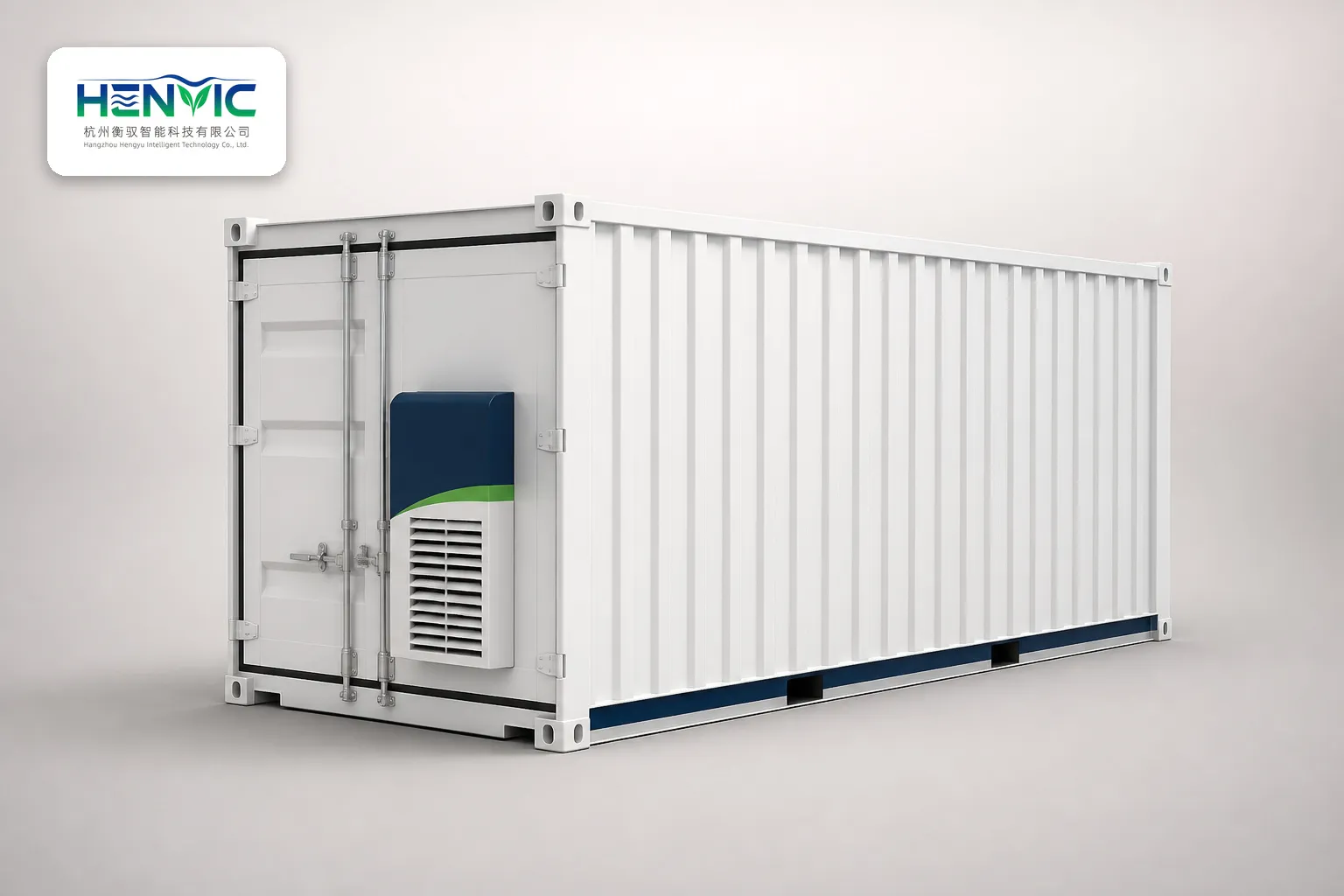
The most dramatic leap in mushroom technology is the rise of Controlled Environment Agriculture, particularly the deployment of mushroom cultivation containers and large-scale smart greenhouses.
- Sensor-Driven Environment Management
Modern mushroom facilities rely on IoT (Internet of Things) infrastructure. A network of moisture, temperature, light, and carbon dioxide (CO2) sensors feeds real-time data into a central PLC (Programmable Logic Controller). - Two-Phase Environmental Optimization
Technology allows growers to manually shift the microclimate to align with the mushroom's biological life cycle.- The Spawn-Run Phase: The environment is kept warm (typically 22°C-25°C) and dark, optimized for rapid mycelial colonization of the substrate.
- The Primordia/Fruiting Phase: The system drops the temperature, introduces fresh air exchange, and triggers LED lighting to stimulate the formation of mushroom pins (primordia) and subsequent fruiting bodies.
- Airflow and CO2 Management
Unlike plants, mushrooms exhale CO2. If CO2 levels rise too high, mushrooms become elongated and develop small, poorly formed caps. Advanced HVAC systems use Variable Frequency Drive (VFD) fans to maintain strict CO2 thresholds, ensuring perfect morphology.
V. Harvesting, Post-Harvest, and Processing Innovations
The technological innovation extends all the way to the end of the supply chain.
- AI Vision for Automated Harvesting
Traditional mushroom harvesting is labor-intensive, requiring delicate manual twisting to avoid damaging the fragile mycelium. Today, AI-powered visual recognition systems are being integrated into cultivation zones. These cameras scan the beds, identifying the exact stage of maturity, and trigger automated robotic arms to harvest the mushrooms with surgical precision, minimizing substrate damage and improving shelf life. - Precise Cold-Chain Logistics
Mushrooms possess an extremely high respiration rate, making them highly perishable. Cutting-edge post-harvest technology utilizes rapid vacuum cooling and modified atmosphere packaging (MAP) to slow down respiration. By replacing standard air in the packaging with specific gas mixtures, technology now allows growers to extend the shelf life of fresh mushrooms by several days.
VI. Sustainability through Bioremediation
Beyond food production, mushroom technology is being weaponized for environmental sustainability. White-rot fungi (e.g., Oyster mushrooms) possess enzymes capable of breaking down complex, toxic molecules in the environment. Today, spent mushroom substrates—which would otherwise be agricultural waste—are actively used in bioremediation projects to absorb heavy metals and degrade petroleum-based pollutants in contaminated soil.
VII. Conclusion
The integration of biotechnology, automated smart environments, and advanced robotics has completely reimagined mushroom cultivation. By mastering the intricate biology of fungi through modern technology, growers can now produce higher yields, guarantee year-round supplies, and deliver superior quality. As the mycelial frontier continues to expand, these technological advancements will ensure that mushroom farming remains both an ecological champion and a cornerstone of global food security.