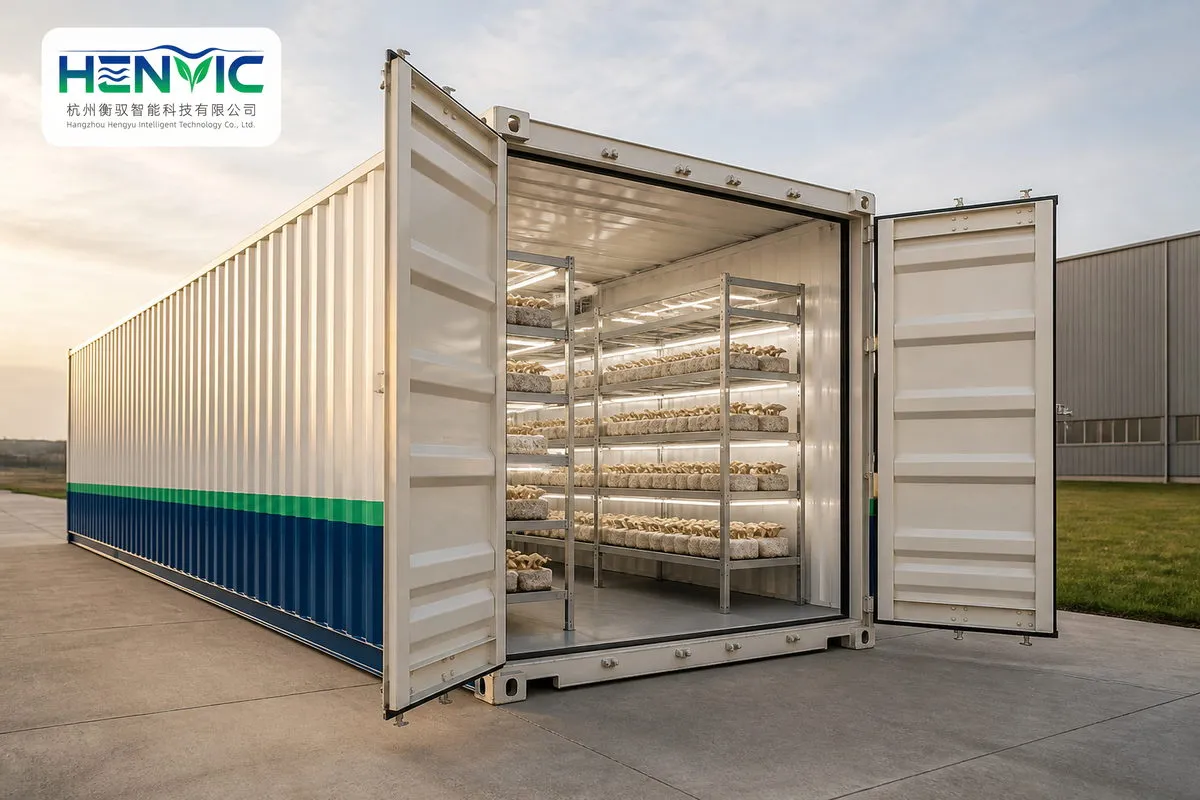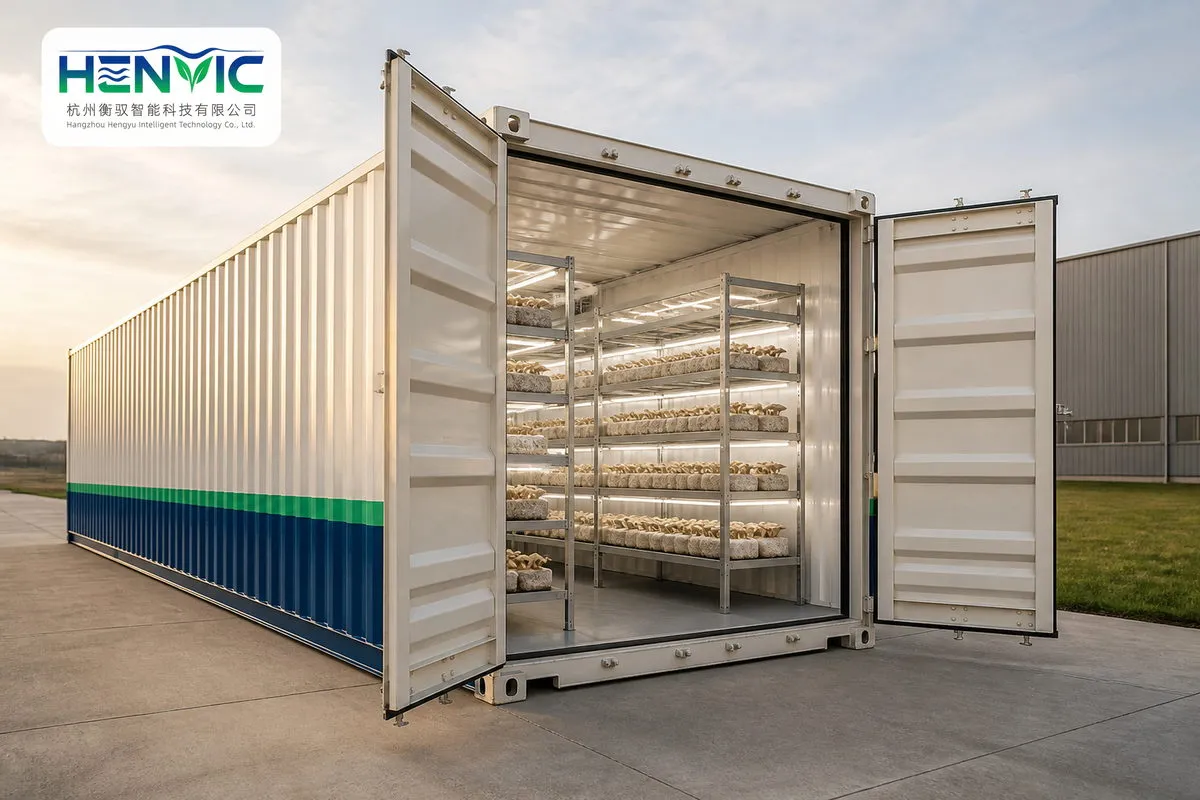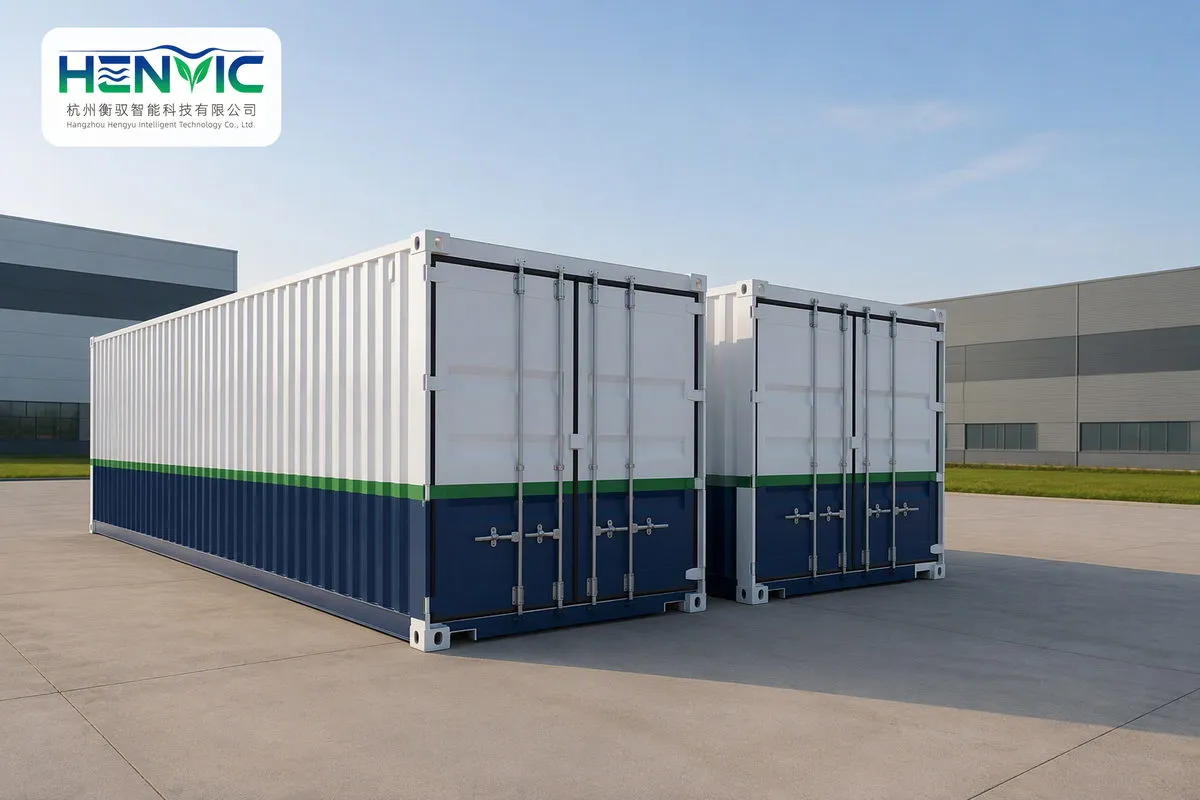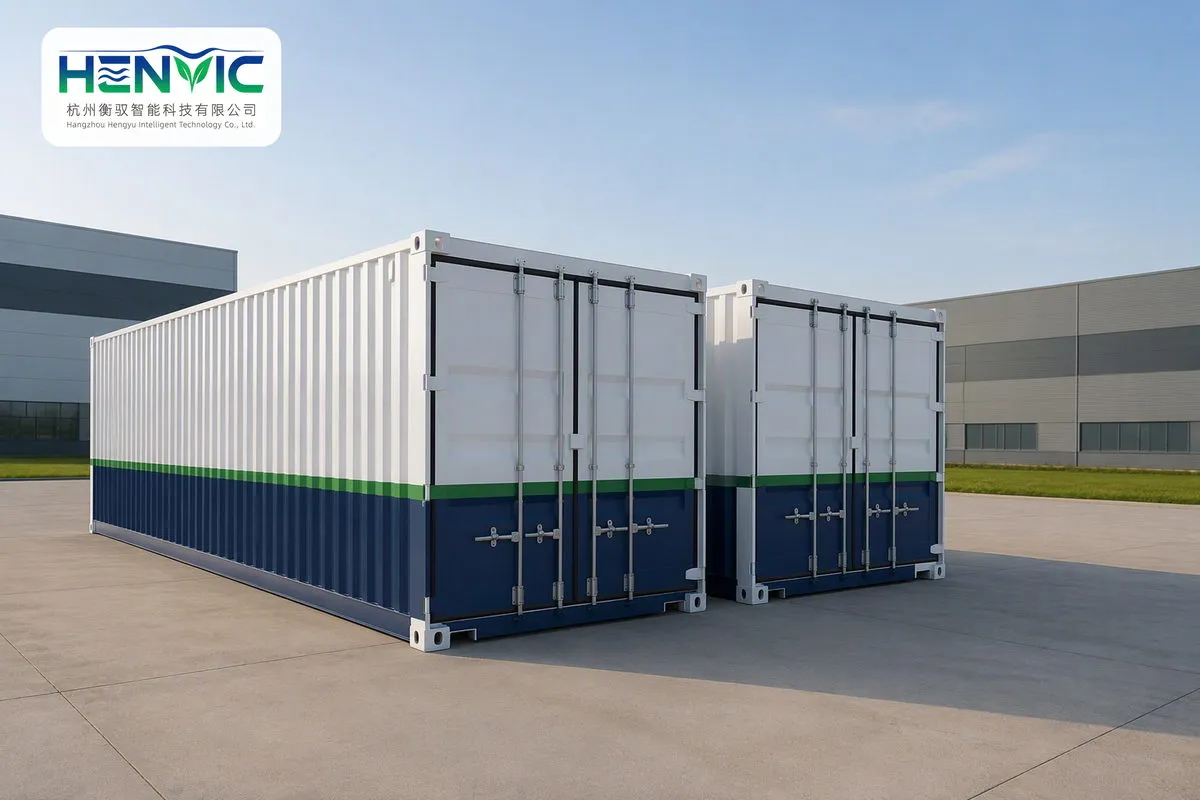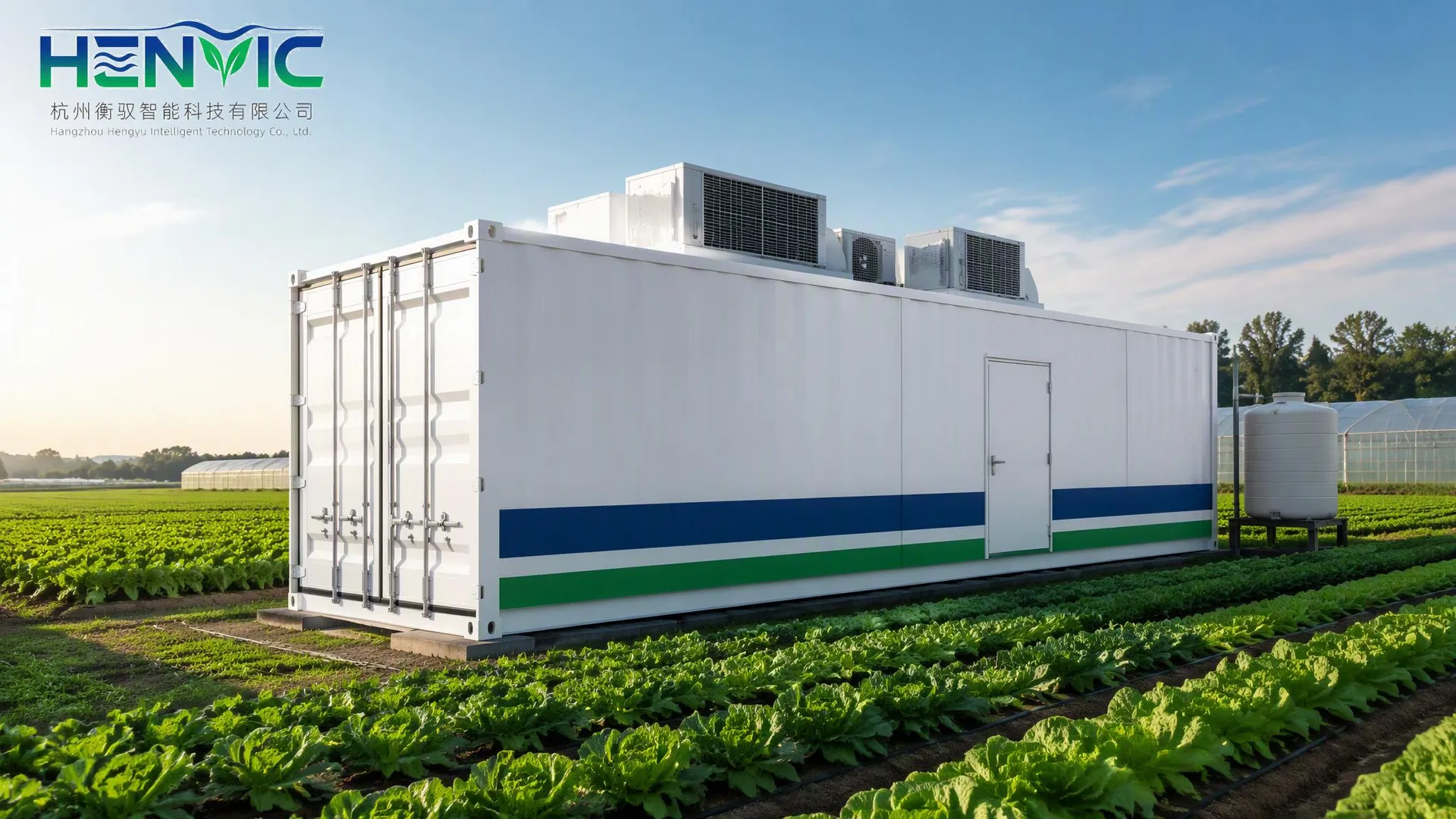
Edible fungi, including oyster mushrooms, shiitake, and lion’s mane, have long been valued for their nutritional benefits and economic potential. Traditional cultivation methods, however, are constrained by seasonal fluctuations, geographical limitations, and contamination risks. Containerized fungi cultivation has emerged as a transformative industrial solution. These advanced systemic modules integrate precision climate control, advanced sterilization, and automated management to overcome traditional barriers. This article details the core technical components, operational workflows, and industry advantages of modern fungi-growing containers, highlighting their role in revolutionizing agricultural production.
1. Introduction
The global demand for edible fungi has grown steadily, driven by the rise of plant-based diets and increased recognition of their health benefits. Conventional greenhouse or shed-based cultivation faces significant challenges: temperature and humidity are difficult to stabilize, pest contamination is hard to eliminate, and production is highly dependent on external weather.
Containerized cultivation closes these gaps by placing the entire cultivation process in an insulated, controllable steel container. This design ensures stable, year-round production regardless of external environmental conditions. It is a critical step toward smart, mechanized, and industrial fungi farming.
2. Core Technical Components
The container system is not merely a storage space but a hollow bioreactor. Its effectiveness relies on integrated engineering that replicates and optimizes the ideal micro-environment for fungal growth.
2.1 Thermal Insulation and Cleanable Structure
The container body is constructed from insulated panels—typically a stainless steel shell with polyurethane foam. This design blocks heat transfer from the outside, reducing the energy required to maintain internal environmental conditions. The inner surfaces are seamlessly welded to eliminate cracks, preventing the accumulation of contaminants and allowing thorough cleaning.
2.2 Precision Climate Regulation System
Fungal growth depends on strict temperature, humidity, and gas control. The thermal control system maintains an optimal temperature for spawn colonization and fruiting, while a refrigeration unit prevents overheating.
Humidity is maintained by a high-pressure atomization system, ensuring moist air distributes evenly without waterlogging. A precise CO₂ ventilation system adjusts internal air composition. By raising CO₂ levels during the stage before fruiting, it suppresses premature mushroom growth and stimulates fruiting body formation, improving both yield and product quality.
2.3 Ultra-Clean Filtration
Airborne contamination is the primary cause of fungal cultivation failure. The container employs a dual-layer filtration structure: an external layer blocks large particles, and a High-Efficiency Particulate Air (HEPA) filter purifies the internal air. Combined with a UV sterilization system for inlet air, this filtration blocks spores, molds, and insects from entering the production area, reducing contamination rates significantly.
2.4 Automation and Monitoring
Modern systems use centralized control units and Internet of Things (IoT) sensors to monitor temperature, humidity, CO₂, and light intensity. Data is transmitted to mobile devices and can trigger alarms in case of anomalies. Automated irrigation, shading, and harvesting mechanisms further reduce manual labor and minimize human contact, cutting the risk of secondary contamination.
3. Operational Process
The workflow inside the container follows a strict, predictable biological sequence:
3.1 Substrate Preparation and Inoculation
Substrates such as hardwood sawdust and agricultural by-products are mixed with water and packed into substrate bags. A high-temperature sterilization device ensures the material is free of competing bacteria before inoculation with fungal spawn.
3.2 Spawn Run (Mycelium Colonization)
After inoculation, the container is kept at 22–26 °C and approximately 60% humidity. The spawn run phase usually lasts 15 to 20 days. During this phase, minimal ventilation is maintained, and the interior remains dark to encourage rapid, healthy mycelium growth.
3.3 Fruiting Initiation
Once the substrate is fully colonized, environmental parameters are adjusted to signal fruiting. Lower temperatures, increased humidity, and a light/dark cycle are applied to trigger the formation of fruiting bodies. The CO₂ level is strictly managed to prevent long, thin mushroom stems.
3.4 Harvest
The harvest cycle typically takes 12 to 15 days. Automated or manual harvesting occurs when mushrooms reach peak maturity. After harvest, the container is cleaned before the next cycle begins.
4. Advantages and Industry Impact
Container-based cultivation offers transformative benefits over traditional methods:
4.1 Independence from Geography and Season
Because the environment is completely controlled, containers can operate anywhere—from urban rooftops to desert regions—without seasonal break, enabling consistent, high-yield production.
4.2 Eco-Friendly Operation
The closed system allows for complete recycling of water and substrates. Spent substrate can be converted into organic fertilizer using fungal enzymes, supporting agricultural waste recycling and reducing environmental impact.
4.3 Traceable Quality Control
The integration of IoT sensors and video monitoring creates a digital footprint for each batch. This traceability enhances product quality and meets the strict food safety requirements of downstream markets.
5. Conclusion
Containerized cultivation of edible fungi redefines traditional farming. By transforming a standard shipping container into a precision-controlled biological reactor, it delivers high yields, stable quality, and a flexible, sustainable production model. As global demand for healthy foods increases, these modular systems will play a key role in advancing future agriculture.