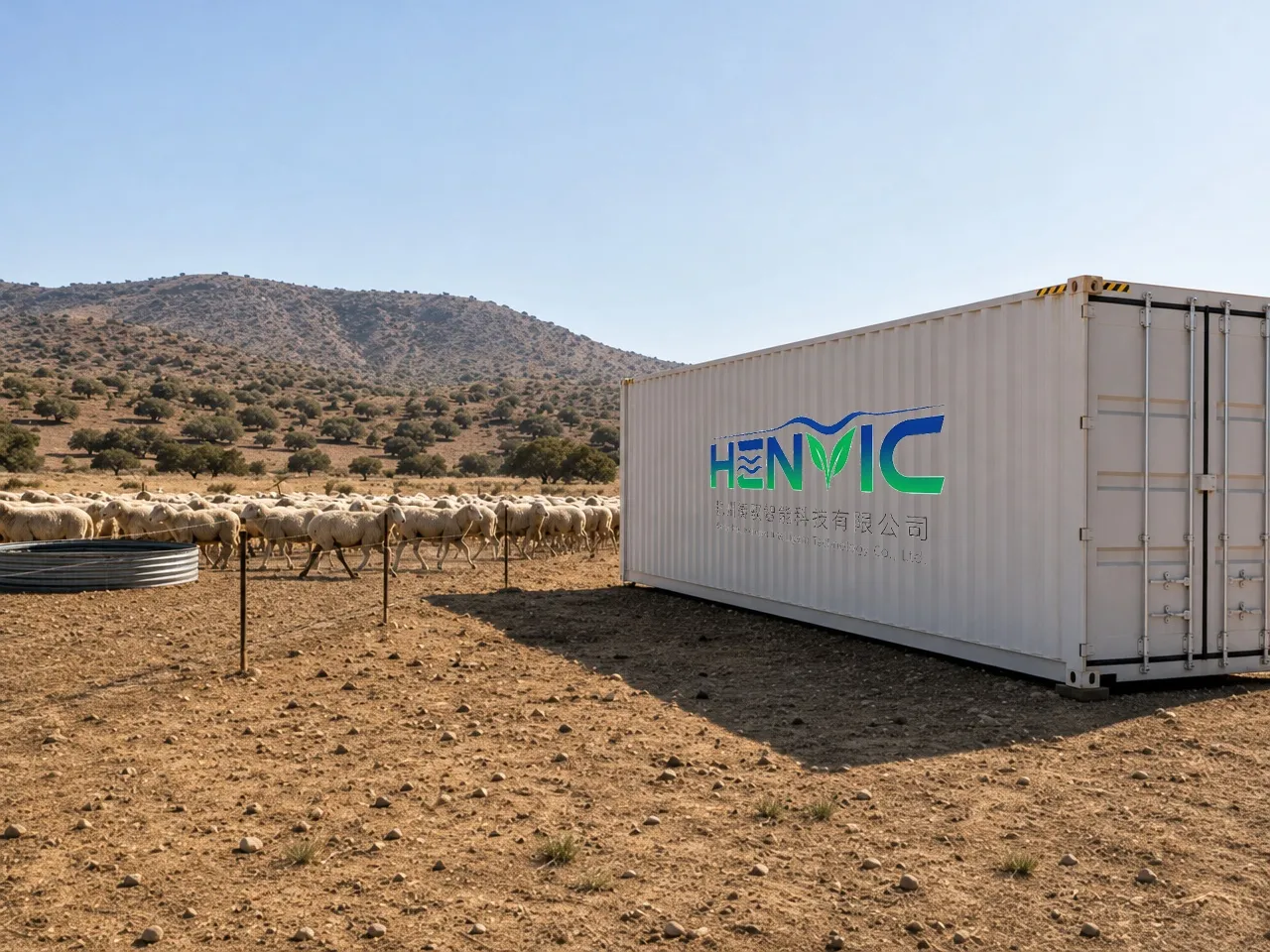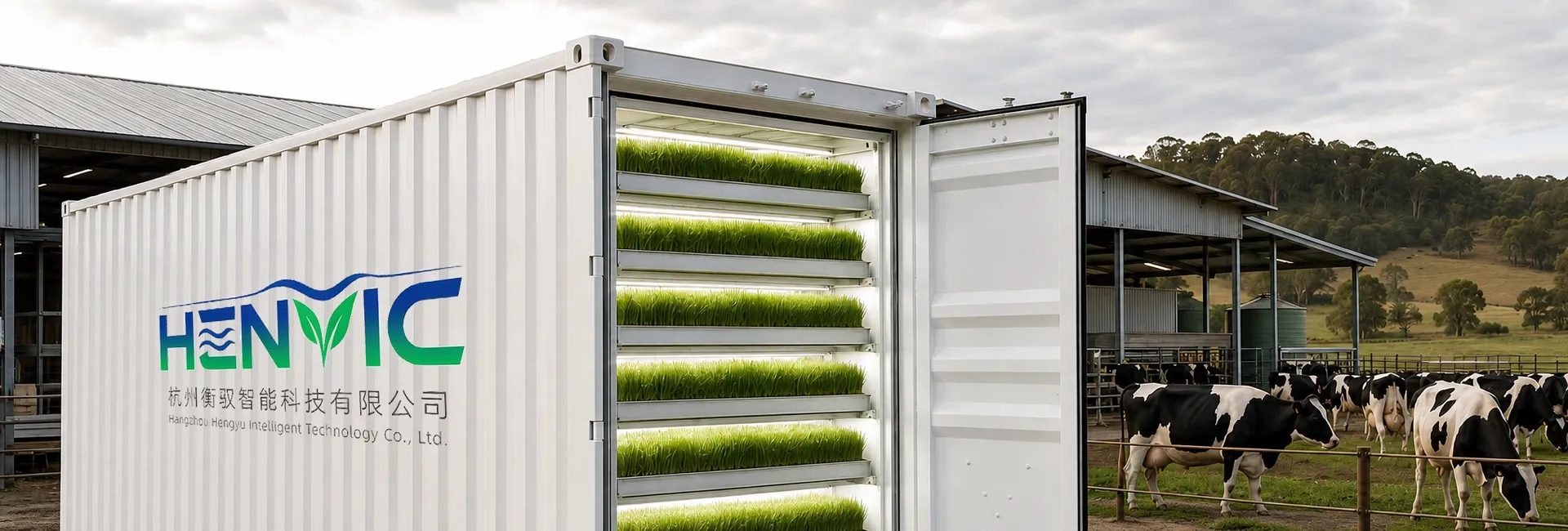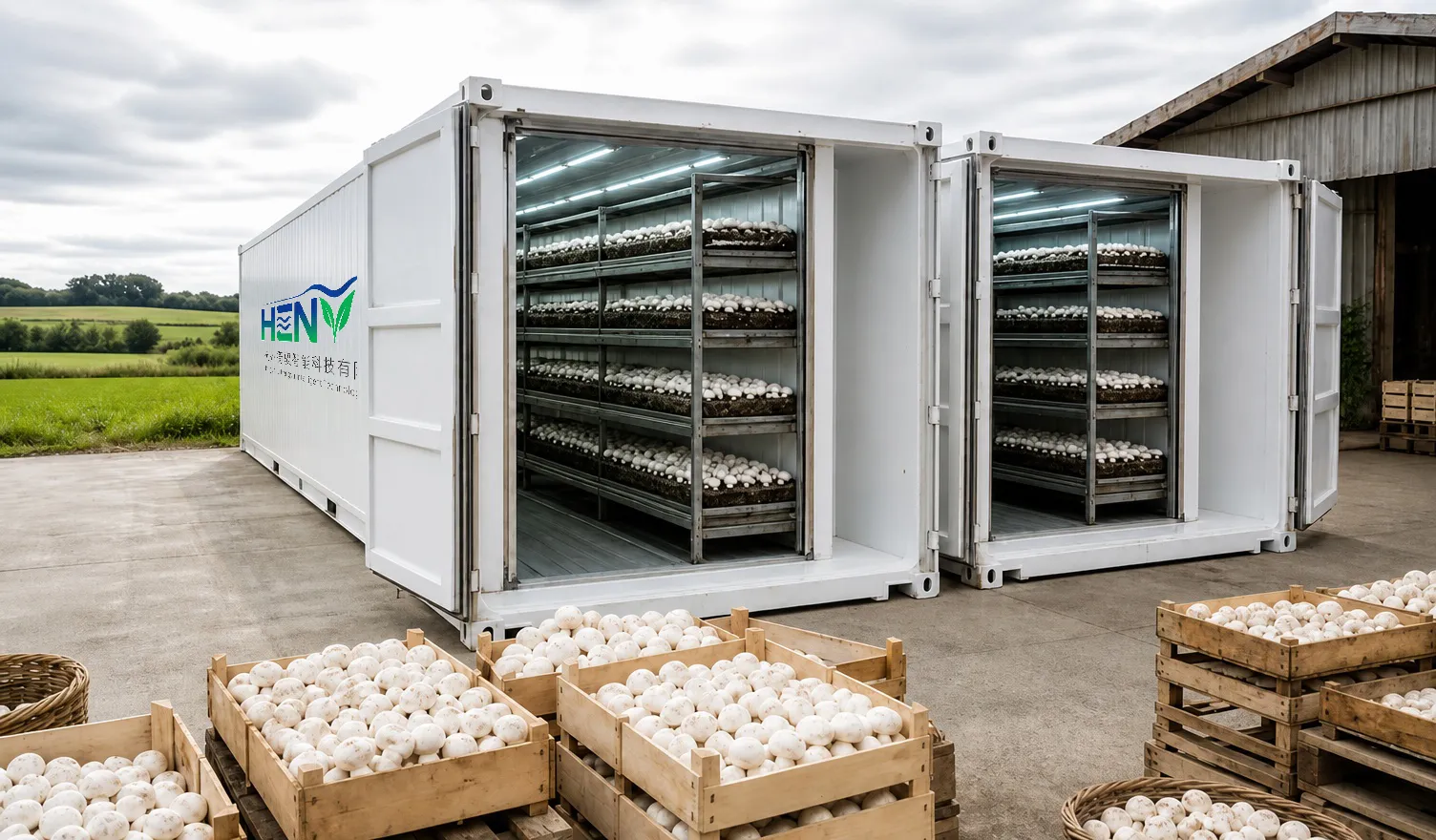
A vegetable container farm is a controlled-environment growing system housed inside a repurposed shipping container, in which vegetables are produced on stacked hydroponic or aeroponic tiers under artificial light, with temperature, humidity, carbon dioxide, nutrients, and airflow all regulated by automated control systems. The format belongs to the broader family of controlled-environment agriculture, but its defining characteristic is modularity: the entire growing environment arrives as a finished, factory-built unit that can be placed on a concrete slab, connected to power and water, and producing within weeks. For vegetables specifically — the class of crops that dominates this segment — the container format has moved from demonstration projects to routine commercial deployment, supplying restaurants, supermarkets, and community markets in a wide range of climates.
Why Vegetables Suit the Format
Crop selection is the first commercial decision, and it largely determines whether a container farm can be profitable. The format favors short-cycle, low-growing, high-value vegetables: lettuce and its many varieties, kale, spinach, arugula, watercress, bok choy, and Asian greens; culinary herbs such as basil, mint, cilantro, and parsley; microgreens and sprouts; and a limited set of small fruiting vegetables including cherry tomatoes, peppers, and strawberries. What these crops share is a short time from transplant to harvest, a compact growth habit suited to multi-tier racks, and a retail price high enough to absorb the cost of artificial lighting and climate control.
The format does not suit staple and field crops. Root vegetables that need soil depth for tuber development, vining crops that demand vertical space, and grains such as wheat and rice are not economically viable in a container. A vegetable container farm is therefore not a route to food security in the sense of replacing bulk agricultural production; it is a precision supplier of fresh, perishable, premium-quality produce delivered on a predictable schedule.
The Subsystems That Make It Work
A functioning vegetable container farm integrates five subsystems, and their interaction determines both yield and cost.
The cultivation system typically uses multi-tier hydroponics or aeroponics. Vegetables are stacked across four to eight layers, multiplying output per square meter of floor space several times over compared with a single horizontal plane. Roots sit in nutrient solution or hang in a misted chamber; growing media, when used at all, provide physical support rather than nutrition. The vertical arrangement is what makes the land footprint small, but it also introduces engineering challenges: light must reach lower tiers without being blocked by the canopy above, and air must circulate through dense foliage to prevent the humid pockets where downy mildew and botrytis take hold.
The lighting system is built on LED arrays tuned to the crops being grown. Because sunlight is excluded, the spectrum becomes a design variable. Growers adjust red-to-blue ratios, intensity, and photoperiod to influence not only growth rate but also vegetable quality — leaf thickness, color intensity, and in some cases the accumulation of nutritionally relevant compounds such as anthocyanins and vitamin C. Modern fixtures allow dimming and scheduling that simulate gradual dawn and dusk transitions, reducing plant stress and shaping morphology.
The climate system regulates temperature, humidity, carbon dioxide concentration, and airflow. Cooling is usually the largest electrical load in warm climates; in cold ones, heating and insulation dominate. Carbon dioxide enrichment is common in optimized facilities, since elevated concentrations can accelerate photosynthesis when light and nutrients are not limiting. Air circulation matters more than operators initially expect, because stagnant air in a stacked rack creates uneven growth and disease risk.
The nutrient delivery system uses pumps, sensors, and controllers to hold electrical conductivity and pH within narrow target ranges, dosing concentrated stock solutions as vegetables consume ions at different rates. Water recirculates through the root zone repeatedly rather than draining away, so consumption is a small fraction of what field irrigation requires. Disinfection — typically ultraviolet treatment, ozone, or filtration — is essential in a recirculating loop, because a single infected plant can contaminate the entire system within days.
Finally, monitoring and control software ties the subsystems together. Sensors stream data to a platform that logs conditions, triggers alarms, and increasingly applies crop models to forecast growth progression and harvest timing. This layer allows one operator to manage multiple containers remotely, which is central to the economics of scaling.
What the Advantages Actually Are
Vegetable container farms offer four forms of independence.
They are independent of climate. A unit in northern Scandinavia runs the same lettuce program as one in the Arabian Peninsula. This makes fresh vegetable production possible in regions with short growing seasons, extreme heat, or limited and unreliable water supply — conditions that would otherwise force heavy reliance on imports.
They are independent of arable land. Because no soil is required, containers can be installed on rooftops, parking lots, brownfield sites, and inside warehouses. The unit needs a level slab, a power connection, and a water line, not fertile ground. This matters in densely populated areas where farmland near cities is expensive or simply unavailable.
They are independent of distance. Placing production close to consumption shortens the interval between harvest and shelf to hours rather than days. For vegetables such as lettuce and herbs, which are extremely perishable and typically eaten raw, that compression reduces spoilage, preserves freshness and texture, and removes the emissions associated with long-distance refrigerated transport.
They are independent of season. By adjusting light recipes and nutrient formulas, the same unit can rotate through different vegetable crops in response to demand, which improves asset utilization and lets a grower respond to market shifts within weeks rather than waiting for a planting window.
A secondary benefit is that the environment is sealed and soil-free, so pesticide use can be minimal — well-managed operations approach zero. For vegetables consumed raw, this responds directly to consumer concern about residues.
The Constraints That Decide Viability
Honest assessment requires attention to the obstacles, which are as real as the advantages.
Energy dominates the cost structure. Lighting and climate control run continuously, and electricity typically represents the largest operating expense. Because wholesale margins on leafy vegetables are thin, the cost of power per kilogram of yield determines profitability more than any other factor. Facilities with access to cheap or renewable electricity hold a structural advantage; those paying high commercial rates must either command premium prices through quality and provenance, or operate at exceptional efficiency.
Capital intensity is the second barrier. Retrofitting a container and integrating lighting, cooling, irrigation, and control hardware requires substantial upfront investment, and payback depends on yield consistency and realized prices. Standardization is gradually lowering engineering costs, but the barrier remains meaningful for small operators.
Operational skill is the third. Labor hours are modest, but the work is technical. A grower must be able to diagnose a yellowing leaf as a pH drift, a nutrient deficiency, a light problem, or a root pathogen — and to respond correctly and quickly. Recirculating systems punish inattention.
Technical and biological risk persists. A pathogen entering on seed or through a filter can spread through the entire loop. A power failure on a hot afternoon can destroy a crop within hours. Redundancy in power and cooling is often essential but adds cost.
Finally, output per unit is modest. One container supplies a restaurant group or a small retail chain; it does not feed a city. Scaling means replicating units, which multiplies both capital and management complexity.
Direction of Travel
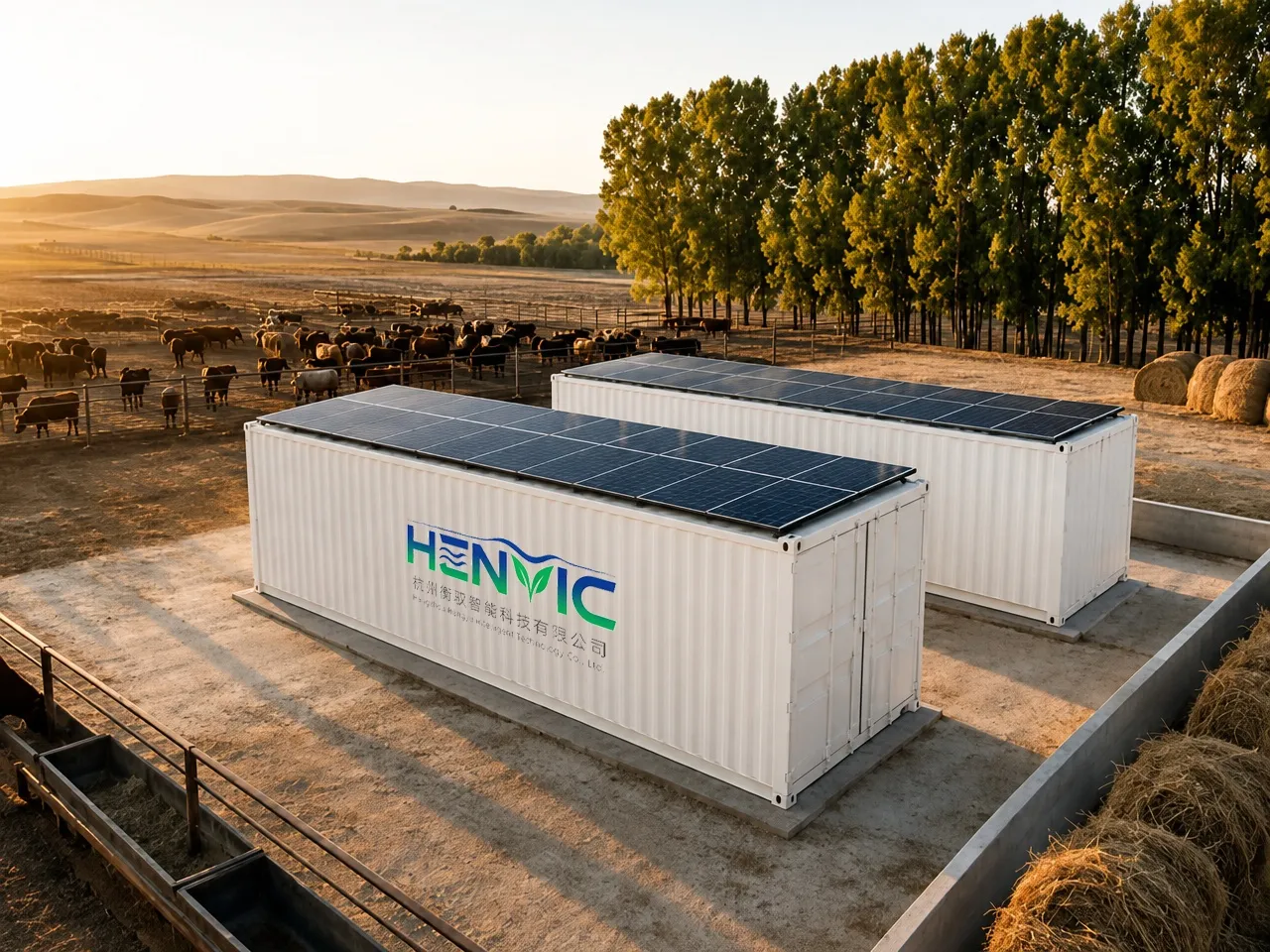
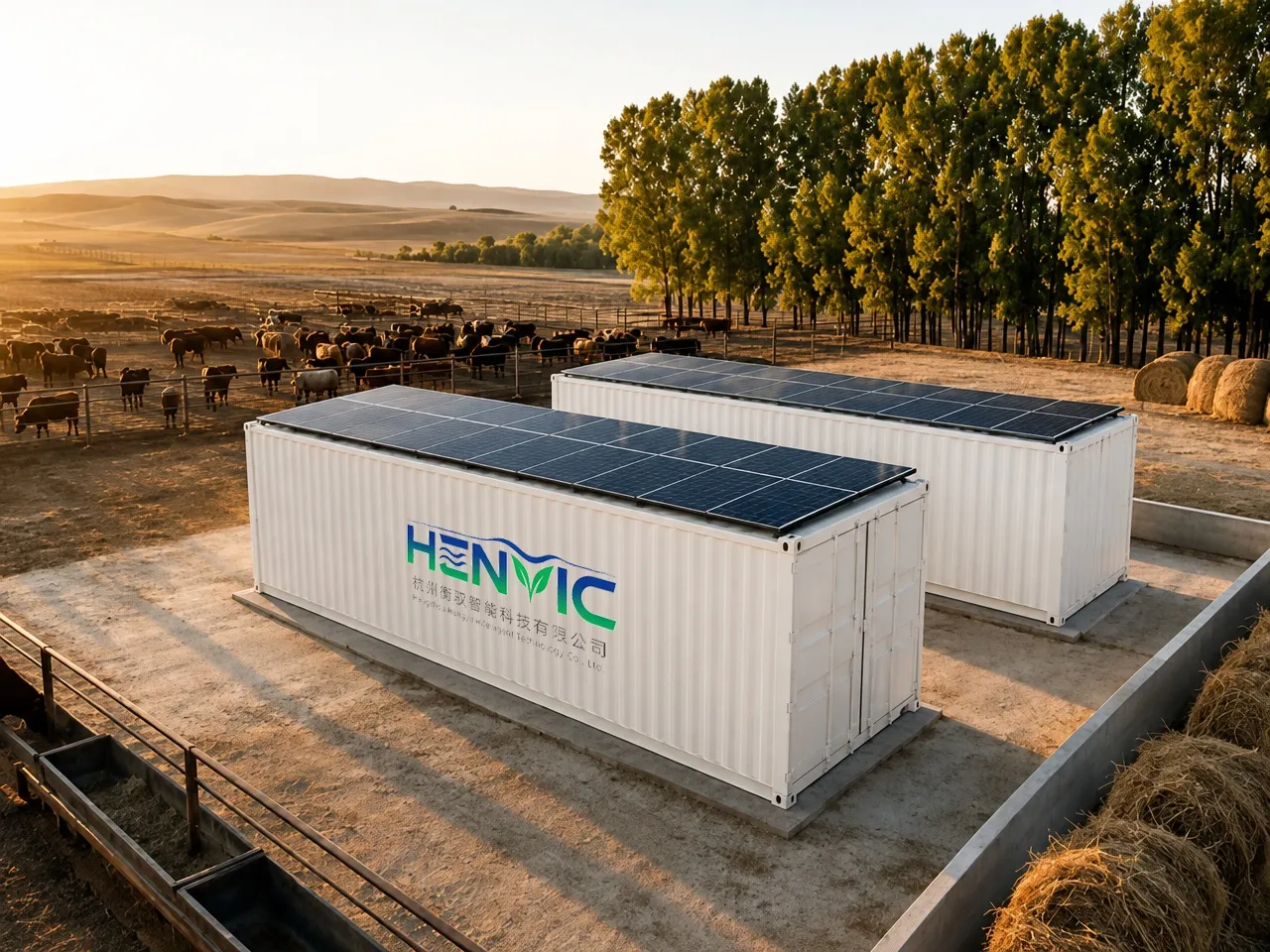
Several trends are shaping the next generation of vegetable container farms. LED efficiency continues to improve, directly attacking the dominant cost. Climate algorithms are becoming predictive, using sensor history and crop models to anticipate rather than merely react to conditions. Cooling loads are being reduced through better insulation, heat recovery, and evaporative strategies. Solar and battery integration is pushing some units toward partial or full off-grid operation, valuable in remote locations and in regions with unreliable grids.
Standardization is another current. As deployments accumulate, designs converge on modular racks, plug-and-play nutrient skids, and common control platforms, lowering per-unit engineering cost and speeding replication. Data aggregated across many containers feeds cultivation recipes that can be shared or licensed, turning operational knowledge into a product in its own right.
Vegetable container farms are best understood as a complement to conventional agriculture rather than a replacement. They occupy a defined niche: fresh, perishable, high-value vegetables grown close to the point of consumption, in places and seasons where conventional supply is expensive, unreliable, or impossible. Whether a given project succeeds depends less on the technology than on energy prices, crop selection, and operational discipline. The enduring contribution may be the demonstration that vegetable production can be decoupled from geography — that quality and predictability can be engineered, and that a facility can be shipped, installed, and harvesting within a season.