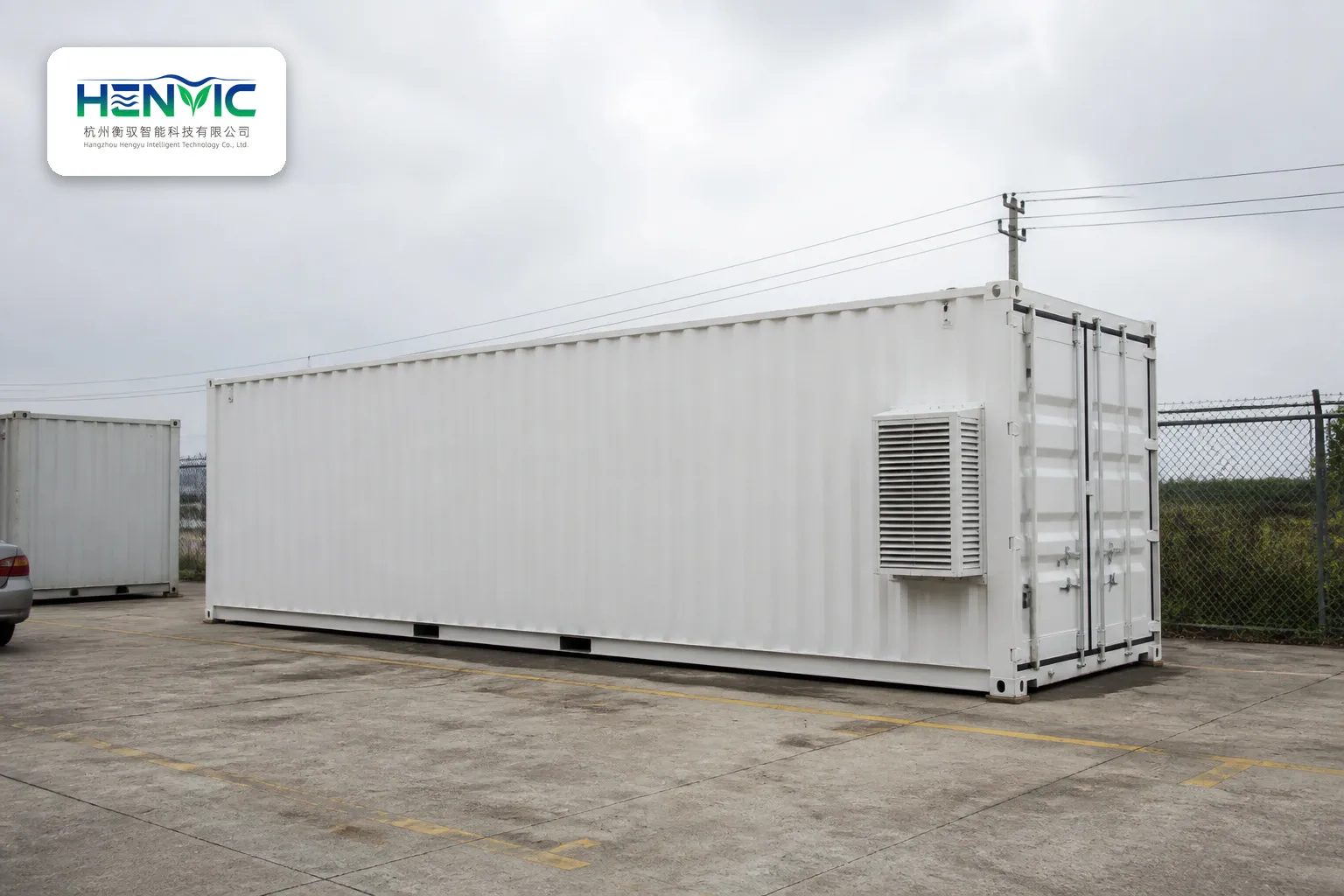
I. Overview
Hericium erinaceus, commonly known as the monkey head mushroom, is a widely recognized edible and medicinal fungus rich in polysaccharides, amino acids, and various bioactive ingredients. With growing global demand for health-promoting functional foods, modern cultivation approaches have evolved beyond traditional open-field or standard greenhouse practices. The application of containerized cultivation technology provides a fully controlled, biosecure environment that significantly enhances yield efficiency and product quality.
II. Core Technical Principles
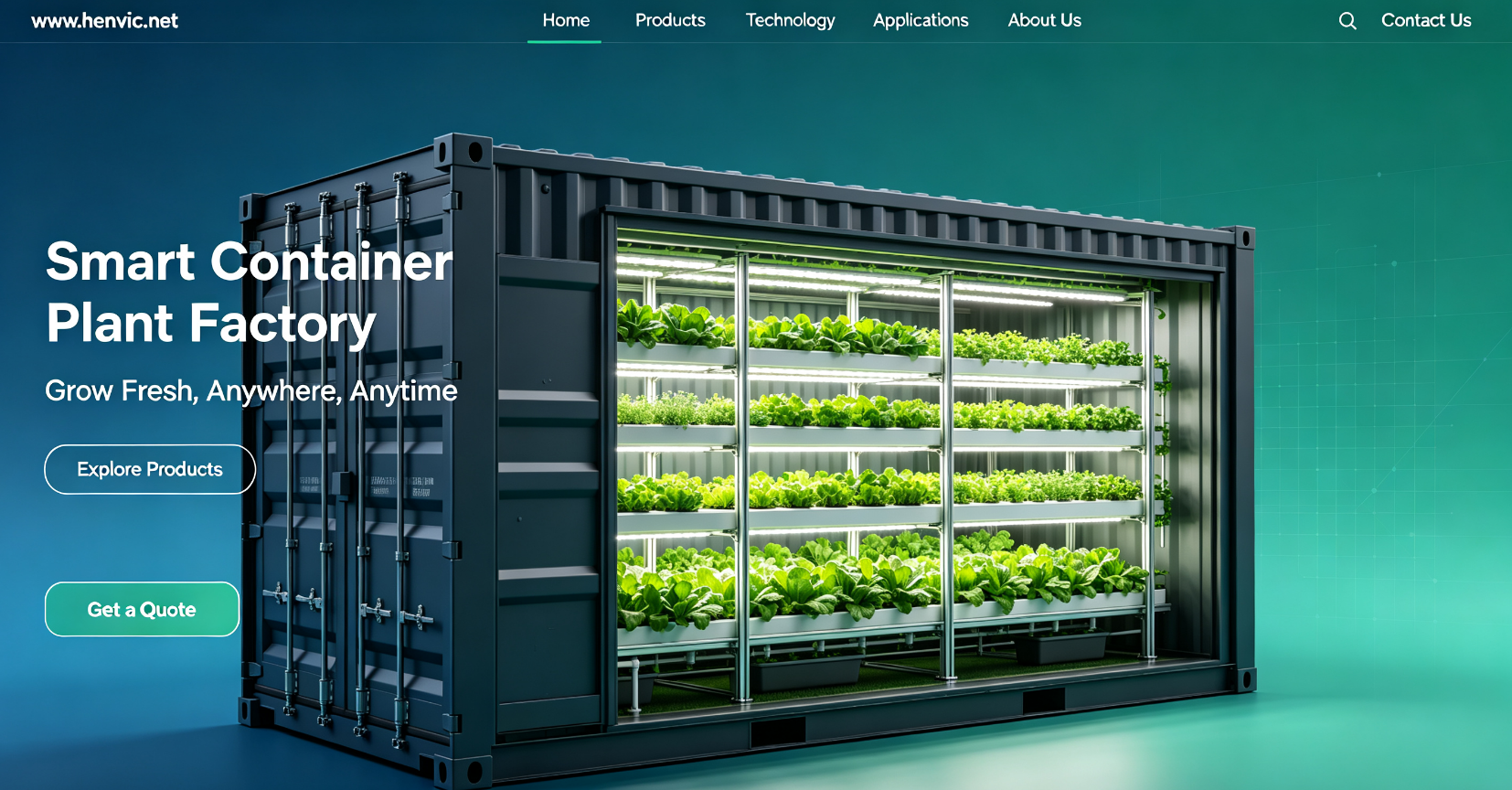
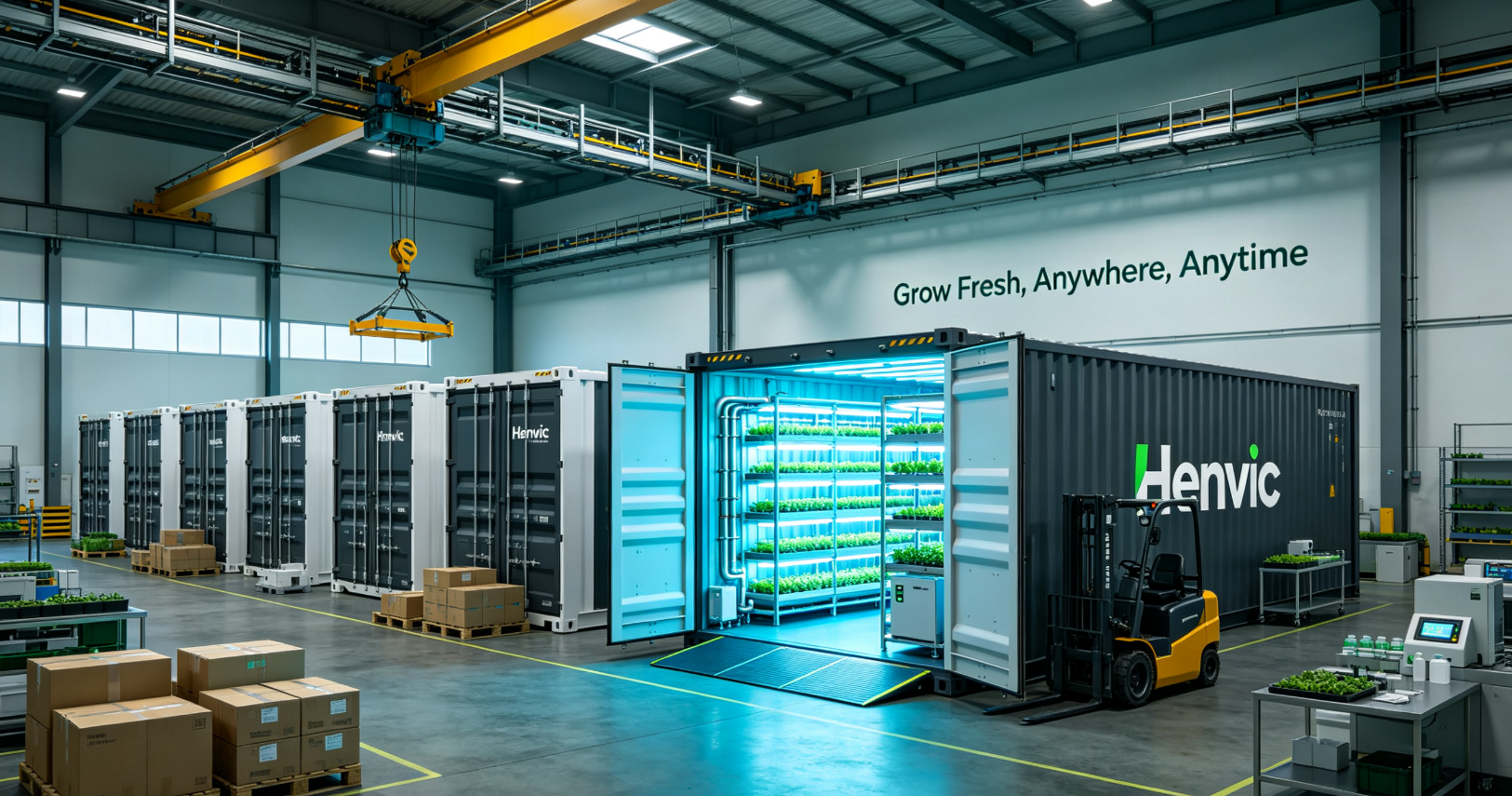
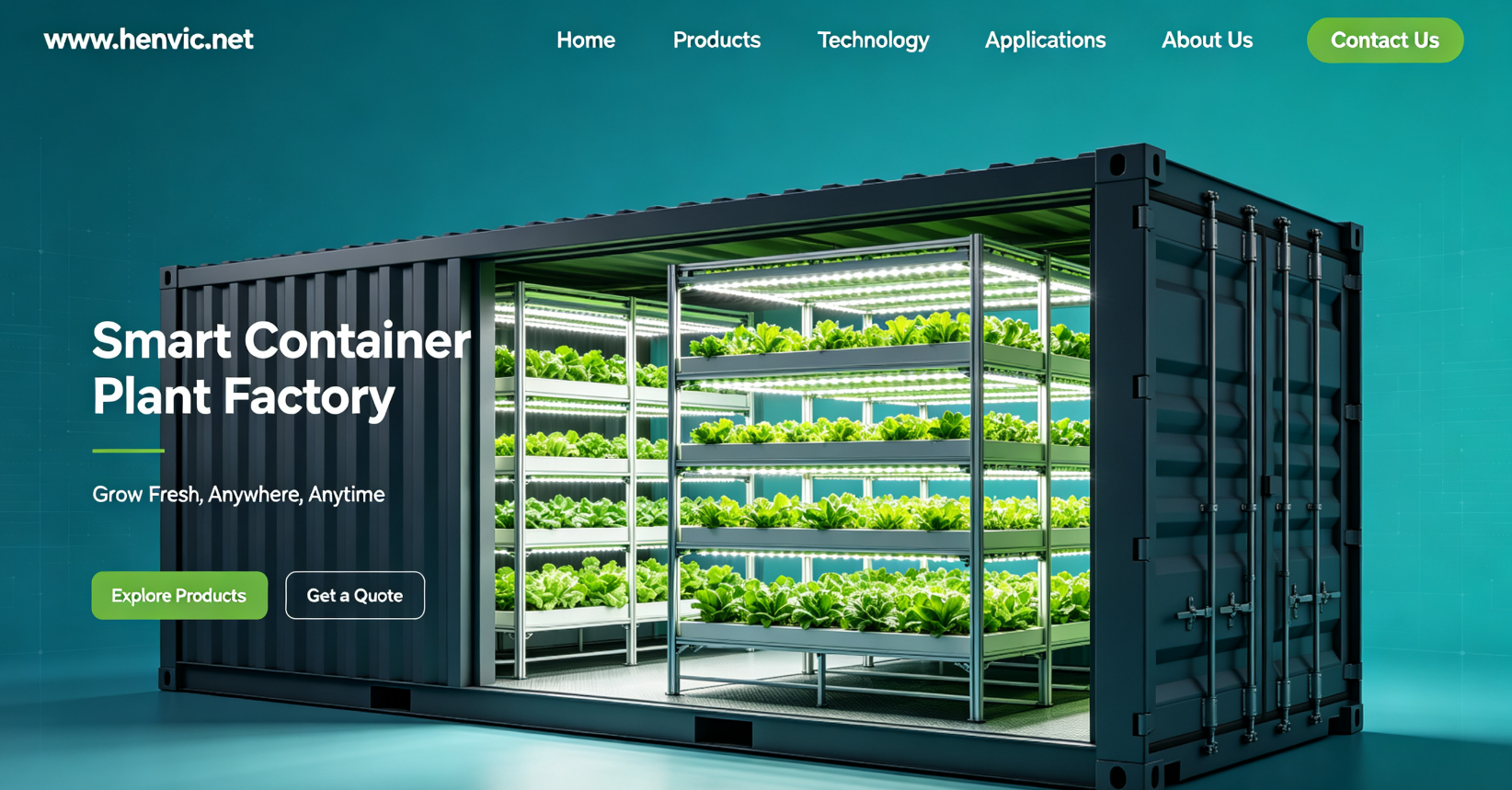
The core of containerized cultivation for Hericium erinaceus lies in the modular growing container equipped with an integrated climate control system. By employing precision environmental regulation, the system creates an optimal microclimate tailored to the distinct biological requirements of each growth stage. This enclosed structure ensures stable conditions throughout the cultivation cycle, supporting efficient spawn run, primordium induction, and fruiting.
III. Key Components of the Cultivation Container
1. Climate Control System
The container includes precision devices for temperature, humidity, and ventilation management. It maintains a cool and consistently humid environment ideal for fungal development. The system dynamically adjusts internal conditions in response to real-time sensor data, effectively preventing adverse environmental influences while ensuring stable, repeatable production.
2. Lighting System
Hericium erinaceus is a light-modulating fungus. Although it does not require intense illumination, low-intensity light is essential during the fruiting stage to stimulate primordium formation. The container uses low-heat LED plant lamps to provide even, diffused light, allowing cultivators to precisely control photoperiod and light intensity for superior fruit body development.
3. Air Circulation and Filtration System
To maintain a disease-free environment, the container is equipped with industrial-grade air filtration and internal circulation modules. Continuous ventilation removes excess carbon dioxide, replenishes oxygen, and prevents the accumulation of airborne contaminants. This ensures an ultra-clean growing space that minimizes the risk of bacterial infection and mold contamination.
4. Hydroponic and Nutrient Delivery System
For optimal growth substrate balance, many modern containers incorporate automated micro-irrigation and nutrient dosing systems. These systems supply water and nutrients precisely to the growing medium, promoting healthy mycelium expansion and reducing water consumption, while maintaining ideal moisture levels within the enclosed space.
IV. Practical Application and Advantages
Independent of Geography and Season
Containerized systems are immune to poor soil conditions, extreme weather, and seasonal constraints. They enable year-round continuous production, providing a steady and reliable market supply of mushrooms regardless of external climate conditions.High Biosecurity and Food Safety
The sealed nature of the container excludes external pests, pathogens, and environmental pollutants. This structure significantly reduces or eliminates the need for chemical pesticides, ensuring that the final product meets stringent food safety and organic certification standards.**Enhanced Yield and Quality
By maintaining ideal environmental parameters, the cultivation cycle is optimized, leading to a higher biological conversion rate. The resulting mushrooms exhibit a compact, mitten-like shape with high medicinal polysaccharide content and rich flavor profiles.**Energy Efficiency and Sustainability
The integrated design incorporates thermal insulation materials and energy recovery mechanisms. This greatly reduces heat loss and lowers overall operational costs, aligning with modern green agricultural practices and sustainable development goals.
V. Future Outlook
As functional food markets expand, containerized cultivation technology will integrate deeper with intelligent management systems. Future containers are expected to feature remote monitoring, automated fault diagnosis, and AI-based environmental optimization. This evolution will further drive standardization, intelligent management, and ecological sustainability within the mushroom cultivation industry.
By leveraging containerized growing solutions, cultivators can fully realize the medicinal and nutritional value of Hericium erinaceus. This technology represents an innovative and sustainable path for the modern mushroom industry, enabling reliable, safe, and highly efficient cultivation worldwide.