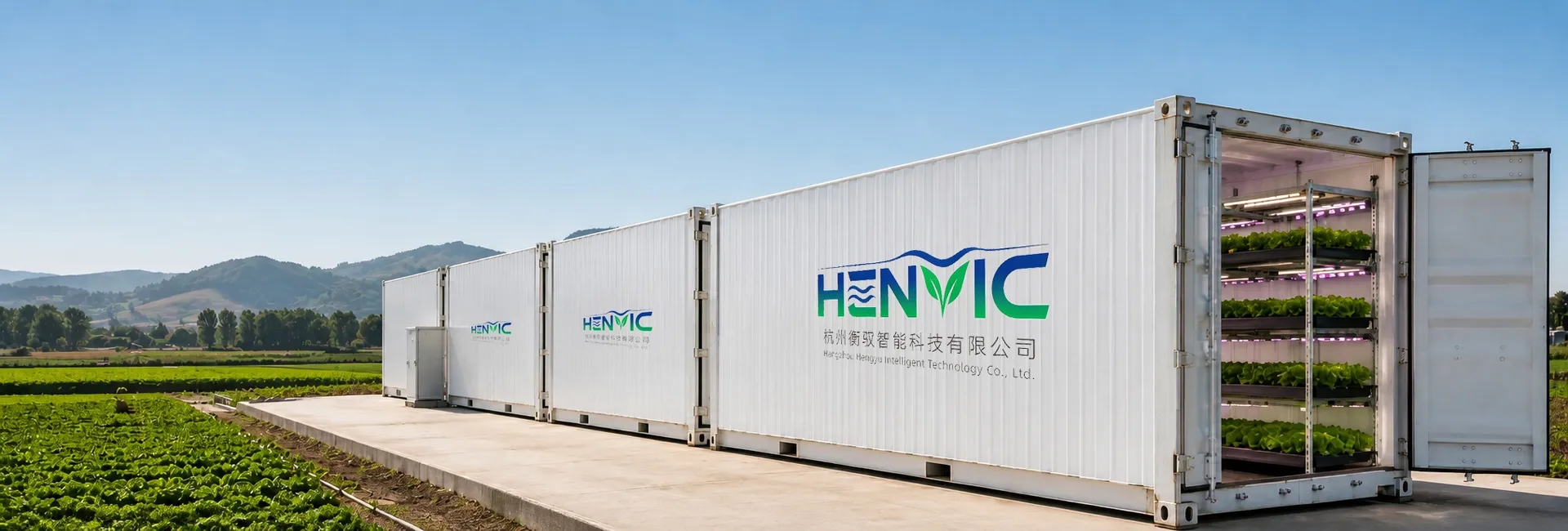
LED Spectrum, DLI and the Energy Economics of Artificial Light in Containers
Lighting is 55–70% of a container farm's electricity bill and effectively 100% of its heat load. Spe
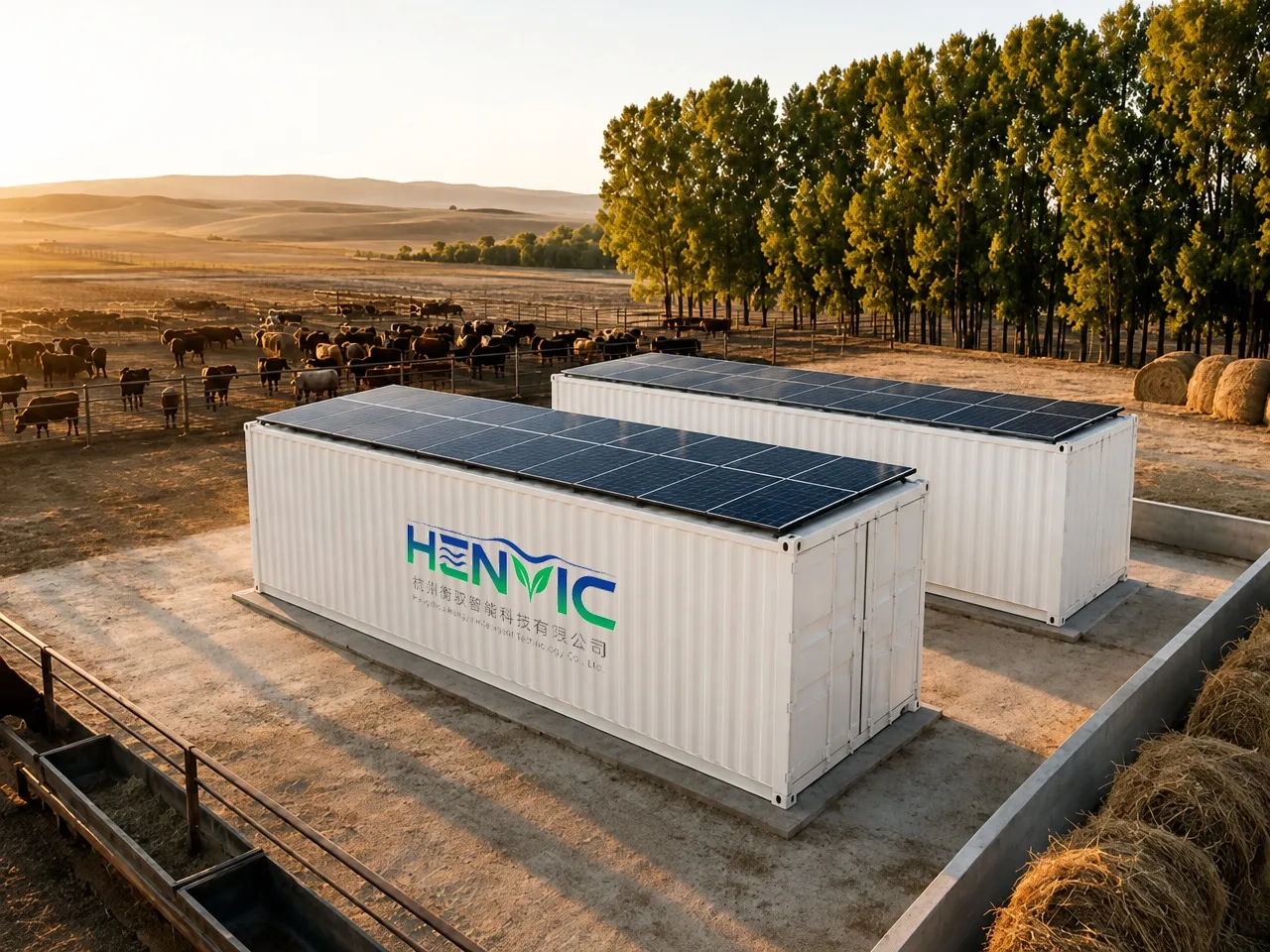
Thermal Load and Dehumidification in Container Farms: Why the HVAC Sets the Crop Limit
A 40-foot container offers roughly 55–65 m² of usable growing area across four to six tiers, and eve
Mushroom Cultivation Containers: Climate Zoning and Contamination Control
Mushrooms are not a single climate problem. A container built for oyster mushrooms and one built for
Container Farming System Architecture: From Shell to Setpoint
A cultivation container is not a greenhouse that happens to be box-shaped. Once a growing room is se
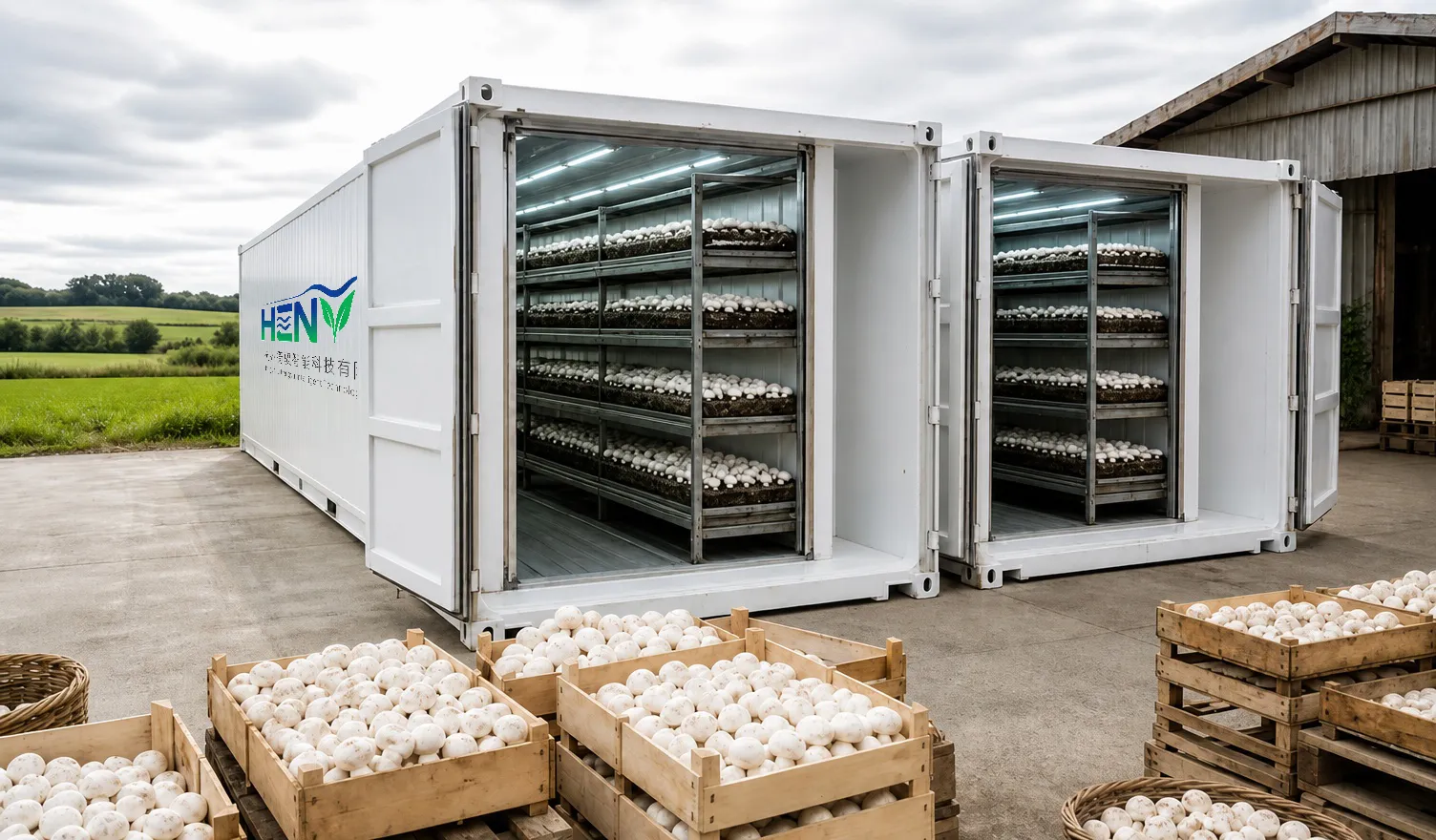
Uniformity Is a Geometry Problem: Airflow and Microclimate in Stacked Canopy Systems
Every commercial container farm produces a uniformity problem before it produces a crop. Temperature
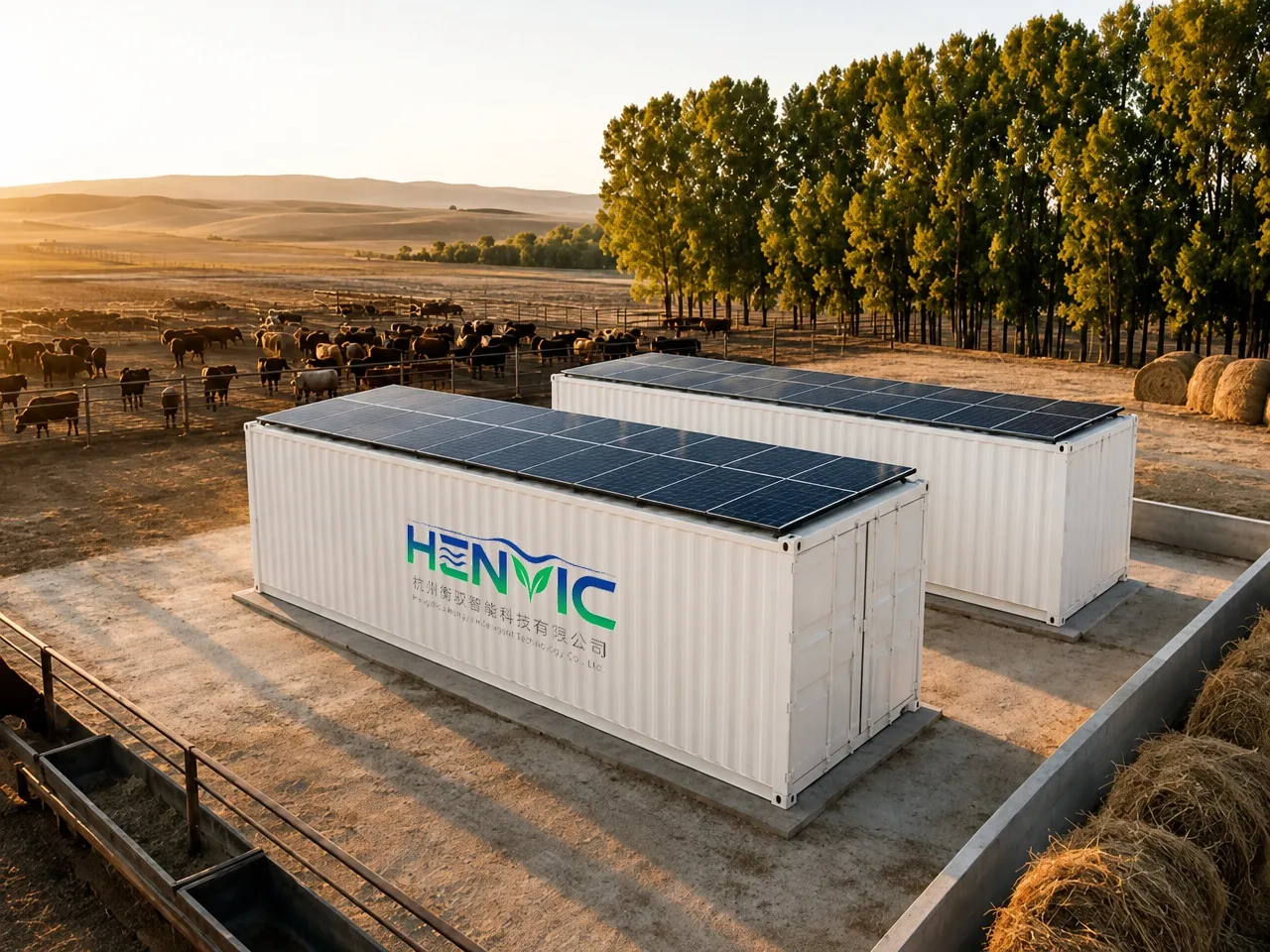
The Heat You Never See: Thermal Load and Cooling Design in Vertical Container Farms
The thermal design of a container farm is usually the first thing under-scoped and the last thing to
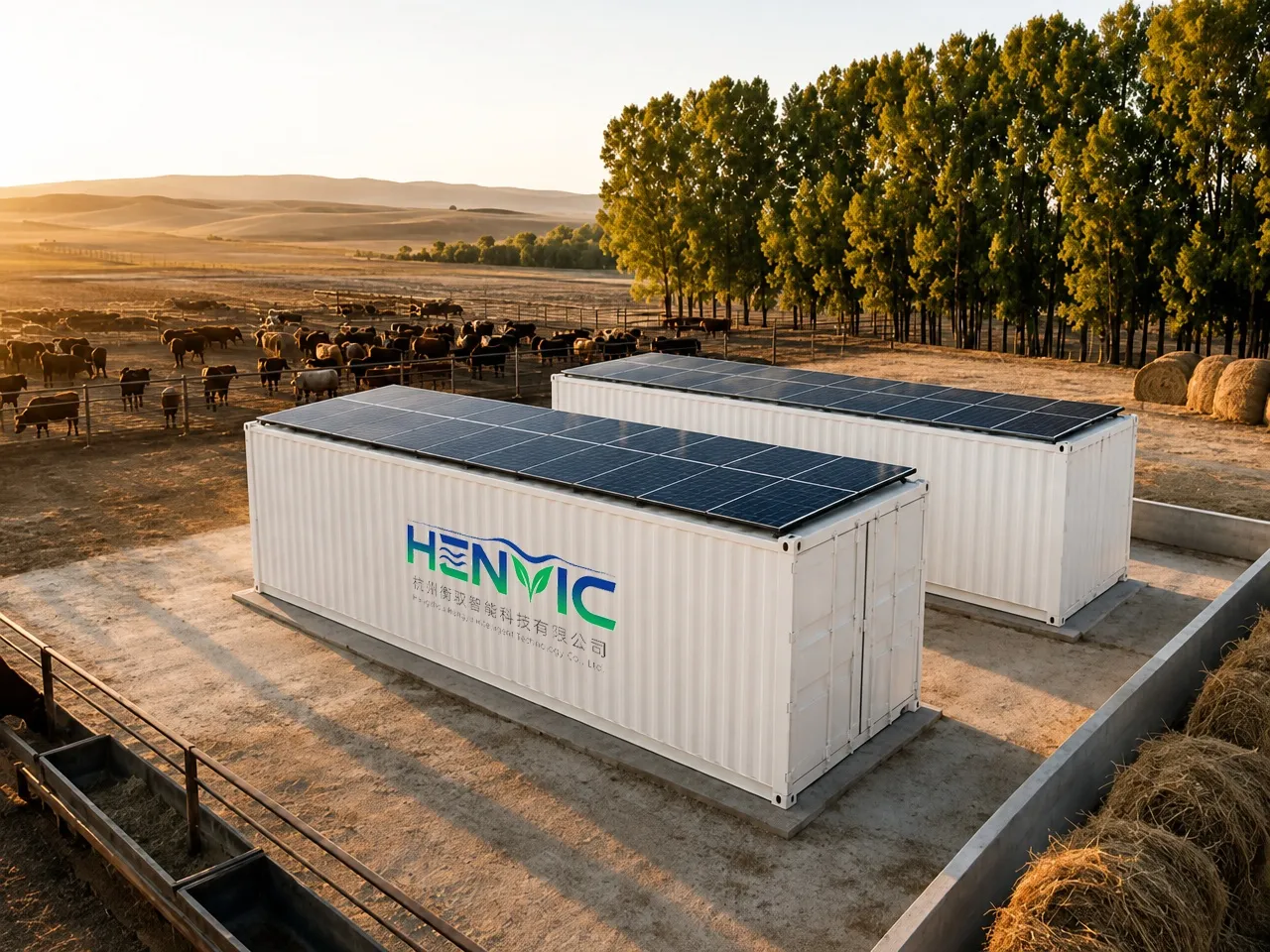
The Kilowatt Is the Crop: Energy Economics of Container Agriculture
Ask a container farm operator what the hardest variable is, and most will say power. Not the lights,
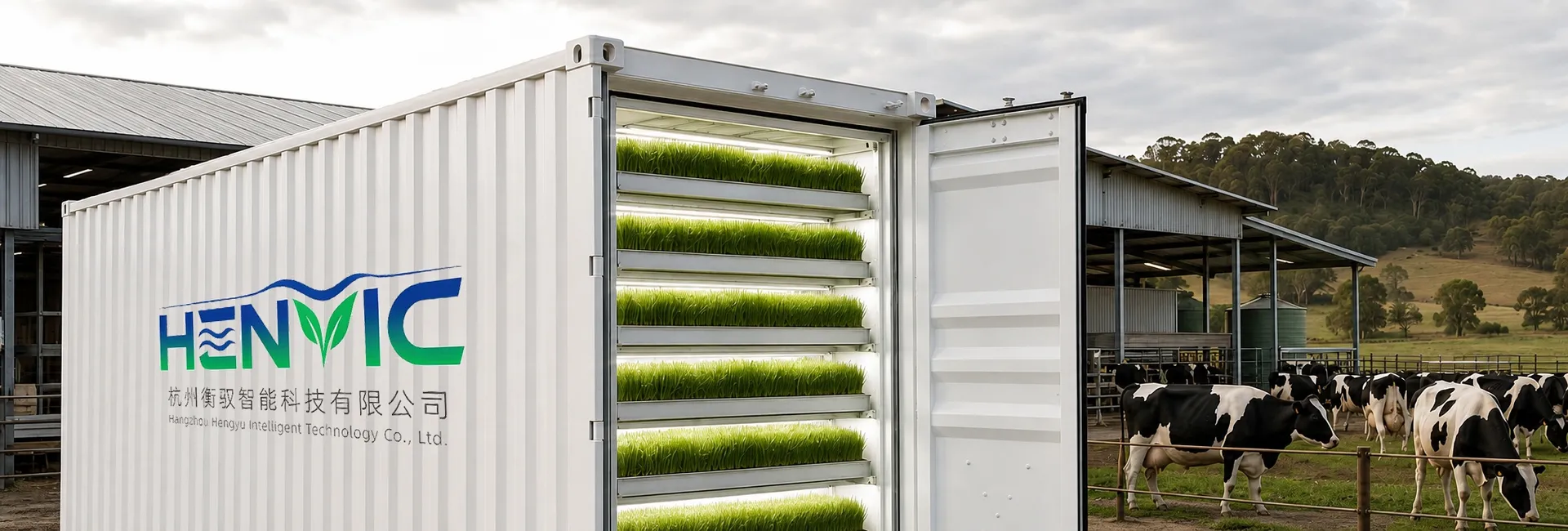
Why the Box Wins: The Engineering Logic of Container Farming
A shipping container is a strange place to grow food. It has no soil, no windows, and no drain. It w
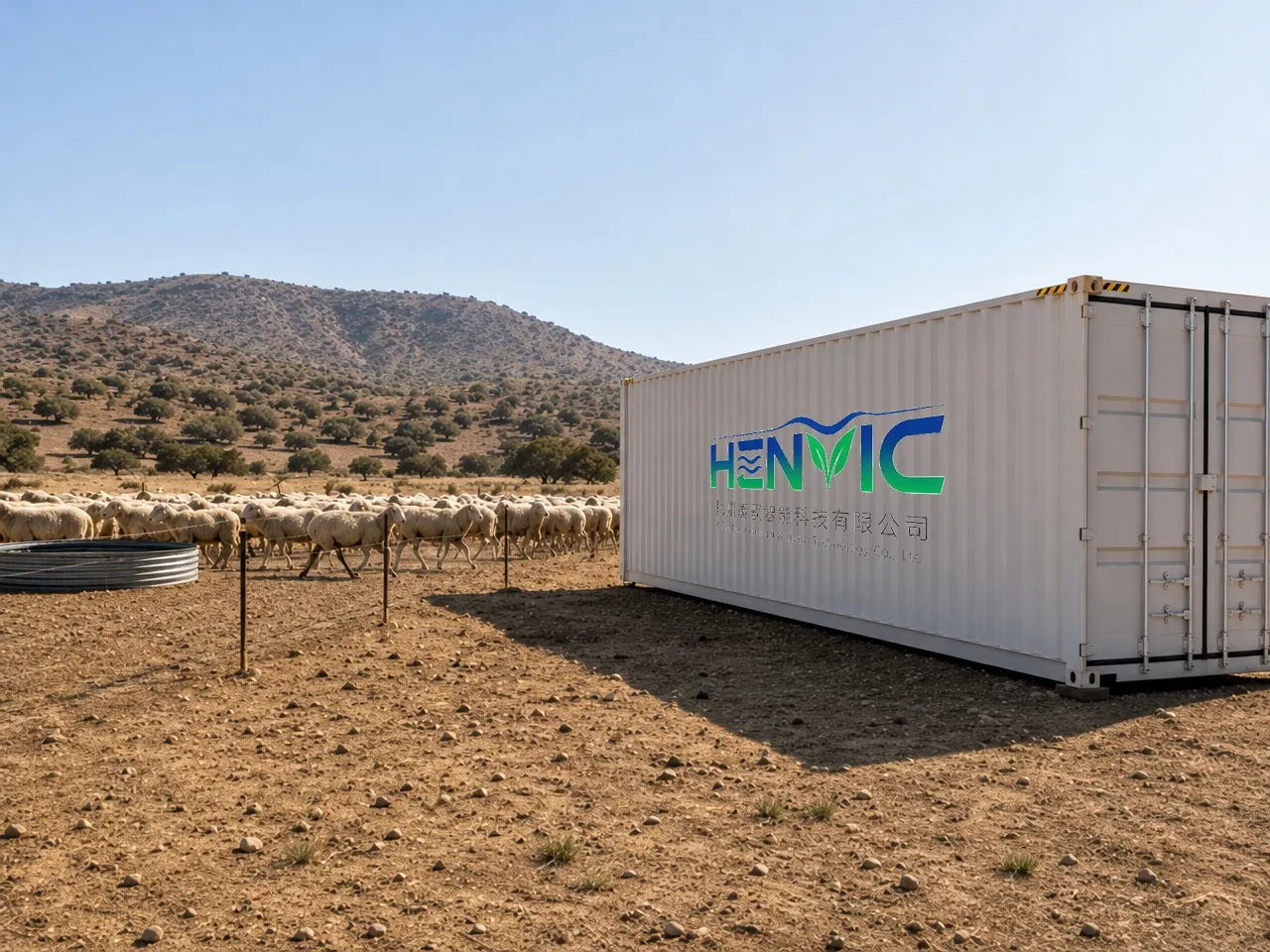
Climate Control and HVAC Systems in Container Farms
If there is a single system that determines whether a container farm succeeds or fails, it is climat
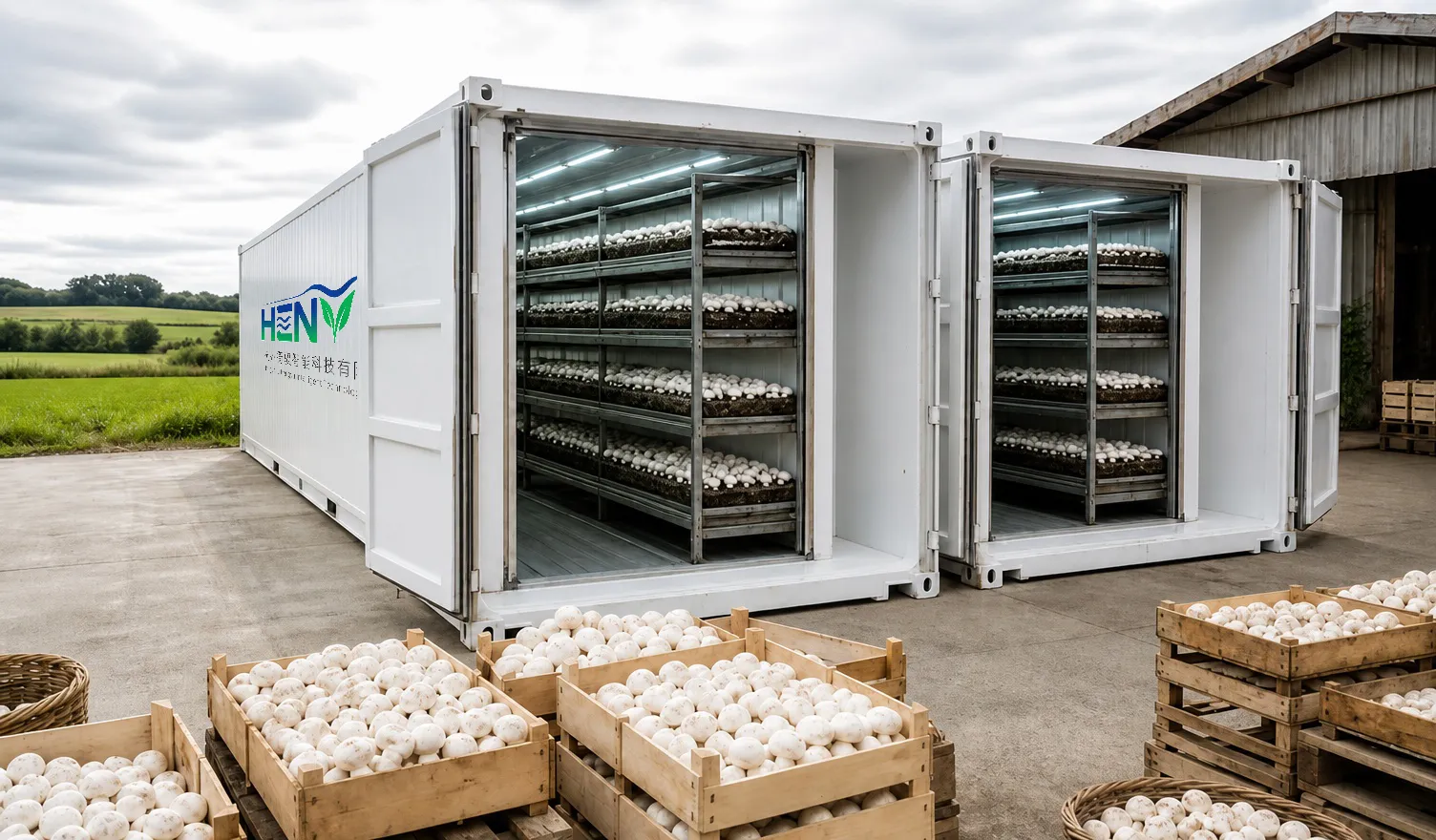
Container Agriculture: System Architecture and Operating Principles
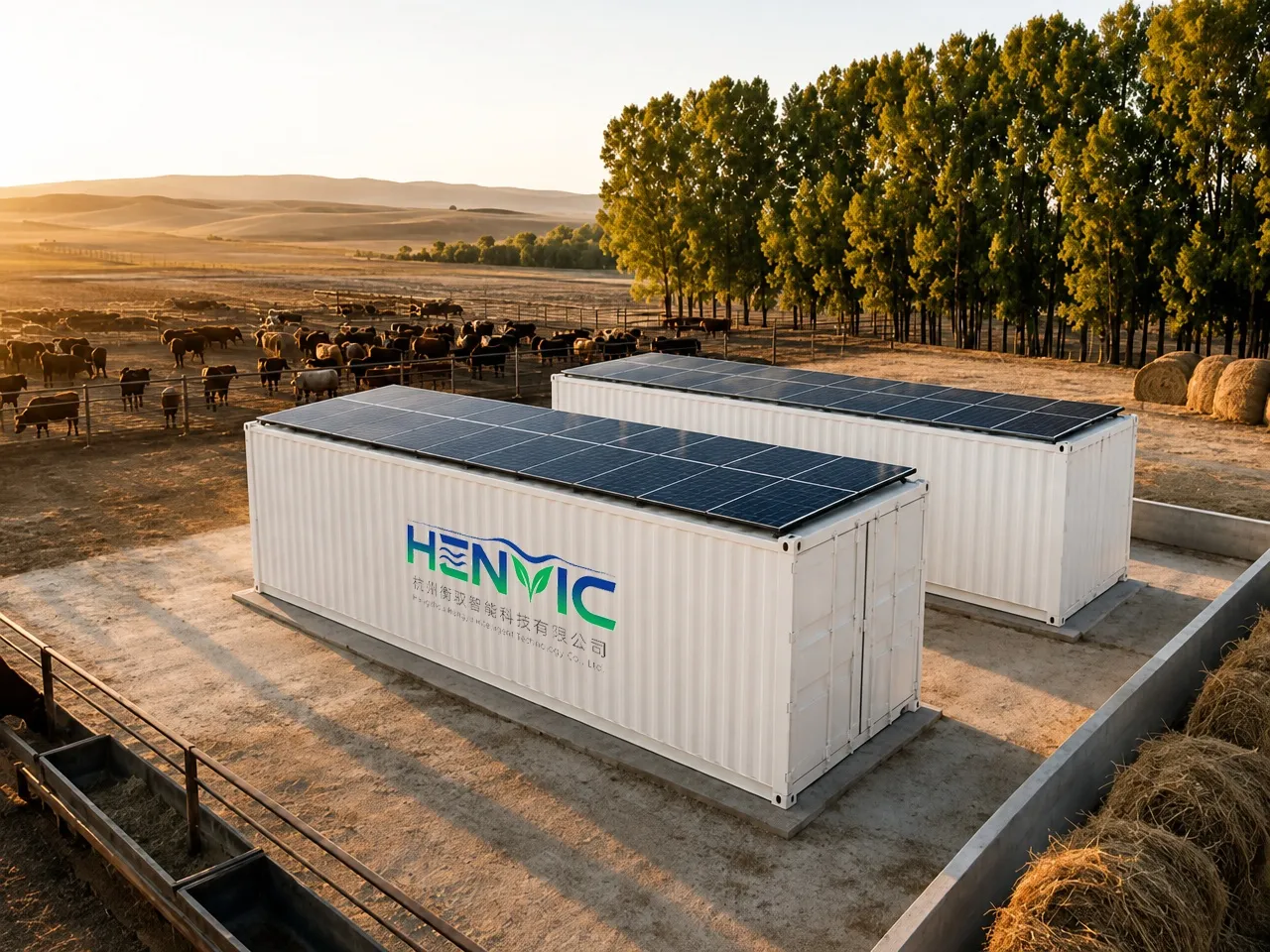
Article One: The Container as a Farm — Anatomy of a Modular Growing Chamber
A standard 40-foot high-cube shipping container measures roughly 12.03 metres long, 2.35 metres wide
Article One: The Container as a Farm — Anatomy of a Modular Growing Chamber
A standard 40-foot high-cube shipping container measures roughly 12.03 metres long, 2.35 metres wide